
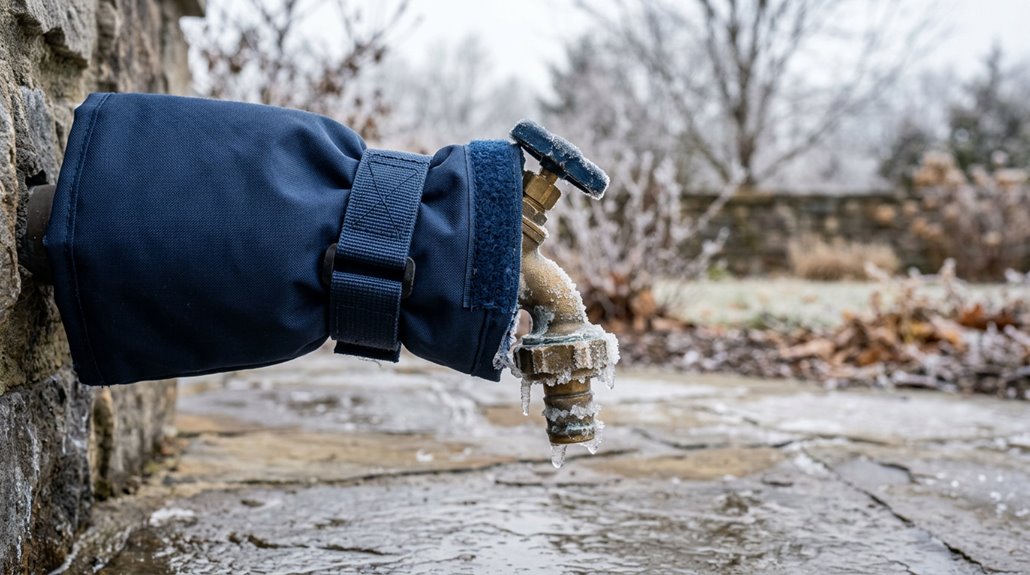
Foam covers can provide some protection, but they are not foolproof. They trap heat during brief cold snaps and mild winters, offering about 24 to 48 hours of protection. However, when temperatures drop below 15°F, their effectiveness diminishes significantly. Issues such as poor sealing, cracks, and moisture can quickly reduce their protective capabilities.
I learned that relying on covers alone leaves water behind your faucet vulnerable to freezing. For reliable protection, it is important to pair these covers with frost-proof spigots and proper drainage lines. Preventing freeze damage requires more consideration than I initially realized.
How Outdoor Faucet Covers Actually Prevent Freezing Damage
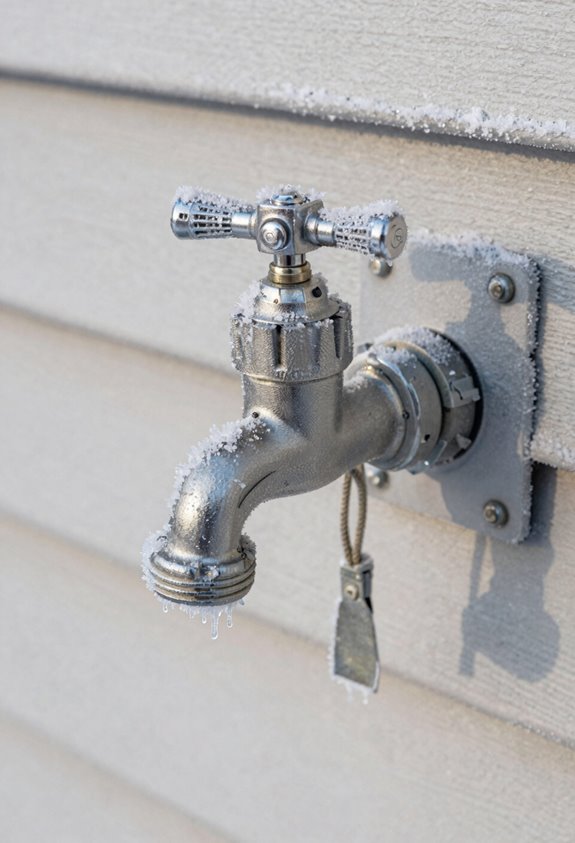
How do a few inches of foam actually save your pipes from bursting? It’s not magic; it’s smart physics. Faucet covers trap heat radiating from your exterior wall, creating an insulating barrier that slows heat loss. Think of them as a cozy blanket for your spigot. When I wrap my outdoor faucet with proper frost protection, I keep temperatures closer to freezing rather than allowing them to plummet. The foam doesn’t generate warmth; instead, it prevents heat from escaping into the cold air. I’ve learned that installation is crucial. Seal gaps around irregular wall surfaces, as drafts can undermine the effectiveness of the cover. Combined with draining lines and frost-proof spigots, this setup offers significant protection.
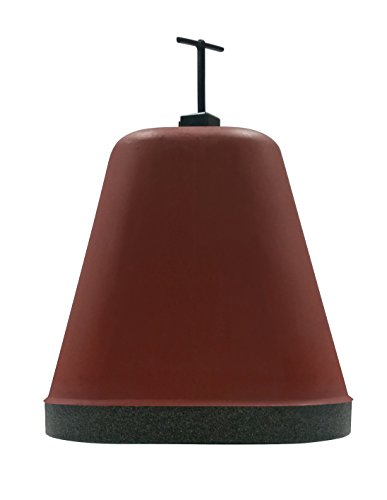
Cover has a hard outer plastic shell to prevent freeze up in the winter season

❄【High Compatibility】-- Faucet covers for winter measures 6.7" W x 8.3" H, Works well with various faucet types, such as garden spigots, hose bibs, water tap, keep faucets protected in freezing weather.
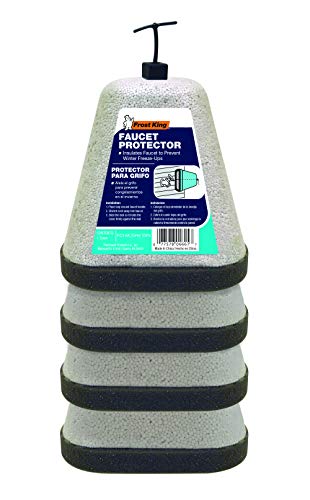
Protects outdoor faucets from freezing, wind and chill
Do Foam Covers Actually Work? Climate, Duration, and Real Limitations
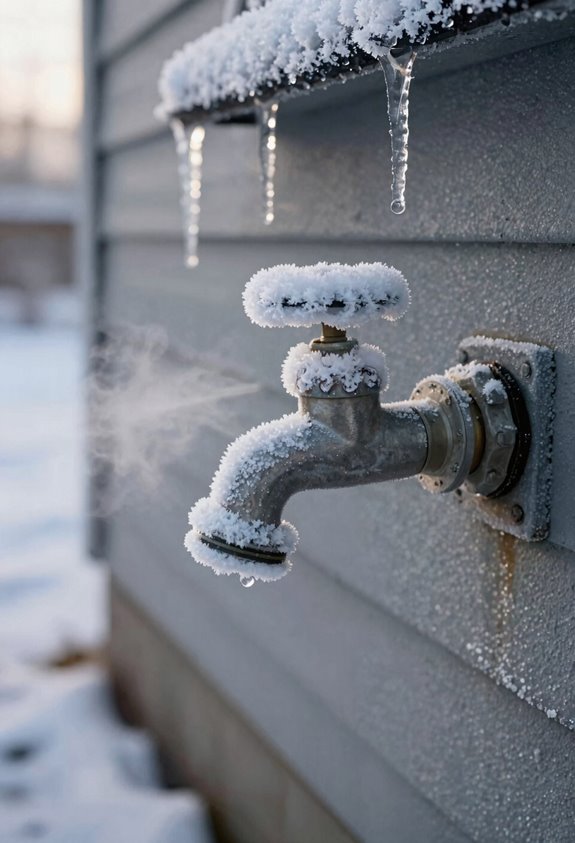
Foam covers can be effective, but only under specific conditions. Here are the key factors that determine their success:
Foam covers work best under specific conditions—quick cold snaps, proper installation, dry conditions, and milder climates.
- Duration matters most: They will protect you through a quick 24–48 hour cold snap, but during extended deep freezes, they will not hold up.
- Sealing gaps is everything: Poor installation allows cold air to bypass the insulation, rendering it ineffective.
- Moisture destroys protection: Wet or damp insulation loses its effectiveness. Rain, snow, and condensation can undermine the function of outdoor faucet covers.
- Climate dictates viability: These foam covers perform best in mild winters and are less effective in harsh climates.

Upgrade 3-Layer Thickened Insulation Design Protect your outdoor faucets from freezing temperatures with our upgraded 3-layer construction. Made with 2 layers of heavy-duty 600D Oxford waterproof fabric and 1 layer of thick insulation cotton, these faucet covers provide excellent cold resistance and protection against freezing rain, snow, wind, and harsh winter weather.

FROST-PROOF DESIGN: Specifically crafted for winter, our faucet covers provide a 1.5 cm insulating layer to shield your outdoor faucets from freezing. This EPS foam construction ensures your faucets stay operational even in the coldest months.

The foam faucet cover is built to last and user-friendly
Why Covers Fail Below 15°F: The Insulation Boundary
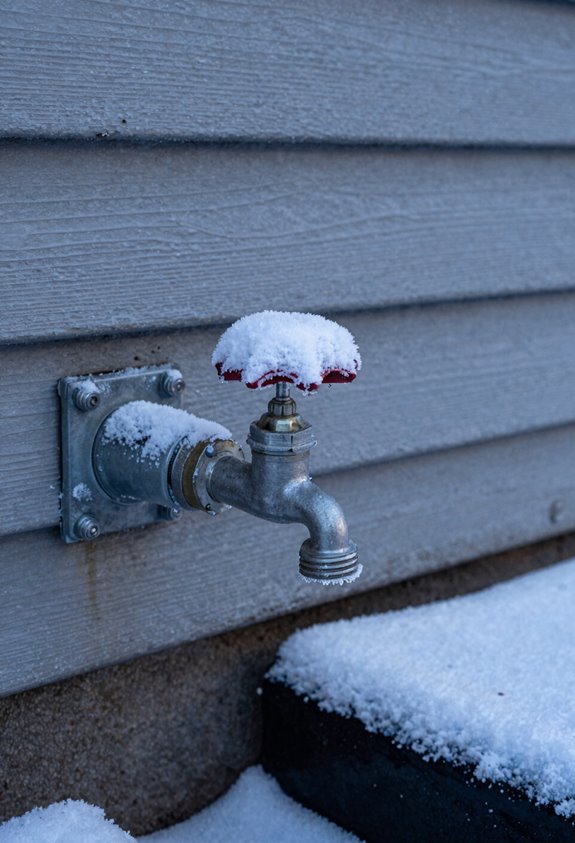
Why do foam covers consistently fail once outdoor temperatures dip below 15°F? This occurs when you reach the insulation boundary. Foam covers reduce heat loss, but they do not generate warmth. Once temperatures drop, they cannot protect water already sitting in pipes behind the faucet. I discovered that seal integrity is crucial. Even tiny gaps allow cold air to enter, undermining the entire setup. Uninsulated sections behind pipes are particularly problematic. The cover may protect the spigot itself, but if the water line behind it isn’t insulated, freezing will still occur. This means you are only safeguarding part of the system. Below 15°F, that level of protection is inadequate. I learned this lesson at considerable expense.
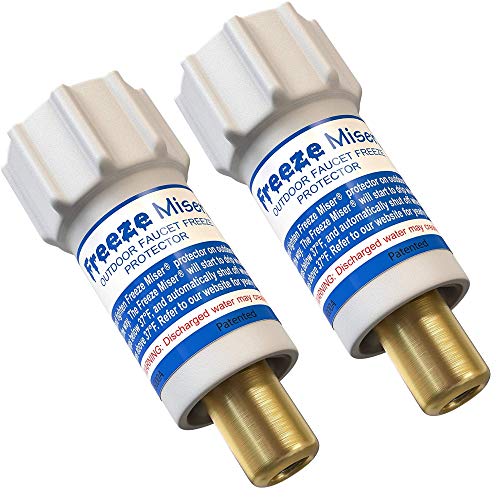
Patented Temperature-Activated Design – Automatically activates as water temperature drops below 37°F/3°C, releasing only minimal water to prevent faucets from freezing.

【Function】This freeze proof outdoor faucet effectively prevent freezing and bursting, to prevent any water from being siphoned back into your water supply, keeping your pipe safe from freezing in cold weather. It also has a stem to provide enough amount of room to keep the pipe protected.

【High-quality MATERIALS】The frost free outdoor faucet is made of high quality lead free brass with chrome plated finish to ensure durability and corrosion resistance. The use of lead-free brass has better environmental performance, making the frost-free spigot safe to use for drinking water and plumbing heating water supply.
How Poor Sealing and Cracks Undermine Foam Cover Protection
Even if you’ve sealed every visible gap and installed the thickest foam cover available, you may still be losing the battle. I learned this firsthand while standing outside in January, convinced my setup was airtight, only to discover frozen pipes.
Even sealed gaps and thick foam covers can fail—I learned this the hard way with frozen January pipes.
Here’s what I learned the hard way:
- Poor sealing lets cold air slip around edges, bypassing your insulation entirely.
- Cracks in foam create leakage paths that drain interior warmth faster than you’d think.
- Moisture infiltration—from snow, rain, or condensation—destroys wet insulation’s protective value.
- Degraded covers fail to trap daytime heat, leaving pipes vulnerable during prolonged cold spells.
That tiny gap is undermining your frost protection. Reliable solutions are necessary, but foam covers require meticulous attention to detail. Neglect sealing, and you risk exposing your pipes to the elements.

❄【High Compatibility】 -- Faucet covers for winter measures 6.7inch x 8.3inch, Works well with various faucet types, such as garden spigots, hose bibs, water tap, keep faucets protected in freezing weather.
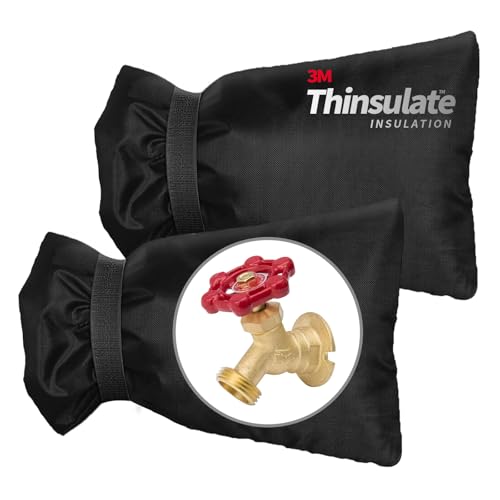
Universal Size – 10"H x 6.3"W opening (26cm x 16cm), can wrap most standard wall faucets even larger one. Larger size than other faucet covers can reach the side of your house, cover every inch of your outdoor faucet.

【UNIVERSAL SIZE 】- POROLIR upgrade and thicken outdoor faucet cover measures 8.5" H x 6.1" W. Suitable for most types of faucets, such as garden faucets, taps, water pipes, water hose bibs. Please measure the size before purchase. Cover them all to save your money.
Pairing Covers With Frost-Proof Spigots: When One Method Isn’t Enough
I’ve learned the hard way that relying solely on a foam cover or just a frost-proof spigot leaves you vulnerable; you need both working together to protect against freeze damage. When I pair my frost-proof spigot, which moves the shutoff valve inside the heated wall, with a quality insulated cover, I create a layered defense. The spigot handles internal protection while the cover shields the exposed exterior portion from wind chill and conduction loss. This combined approach is critical in my region where temperatures can plummet quickly and wind gusts are relentless. Neither method alone has provided complete protection against freeze damage.

4 Layers Design Insulation : Made of The exterior is aluminum foil, the inside is waterproof flannelette and 2 Layers Cotton Insulation, Double stitching for max security has both insulation effects.Keeps water pipe from freezing down to -40˚F,Ideal for water hose freeze protection, temperature control up to 60°.
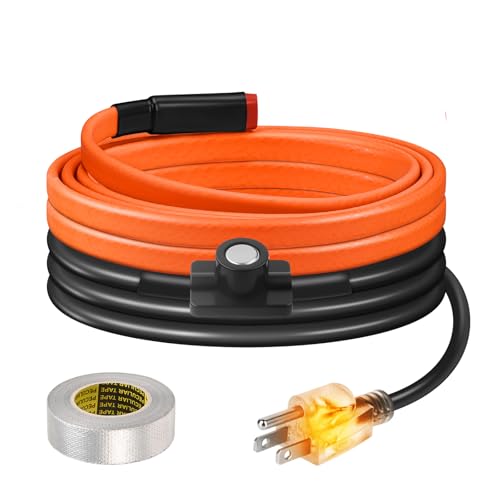
INTRODUCTION: IP65 Waterproof water pipe anti-freezing, snow melting, pipe heating heating tape. With a temperature sensor and a 3-foot power cord and a 3-foot heating cable(8W/FT). Box of the product might have a printing mistake saying that it's power capacity is 5W/FT but it supports upto 8W/FT

Reliable Plumbing Freeze Protection:Our pipe heating cable, also known as heat tape for water pipes, delivers consistent heat along the full length of water hoses to maintain pipe temperature above 59℉ (15°C). It keeps water flowing smoothly even on frigid winter nights down to -40°F (-40°C). Protect your plumbing system and avoid burst hoses caused by freezing low temperatures.
Combining Protection Strategies Effectively
I’ve discovered that my best defense combines these four essentials:
- Install frost-proof spigots with their inner valves positioned to keep water away from cold exterior air.
- Add insulated covers that slow heat loss from my wall to the faucet.
- Use a drainage-first strategy by disconnecting hoses and opening the interior shut-off valve.
- Seal gaps carefully since improper installation defeats everything.
This layered approach addresses what each method alone misses. The frost-proof spigot provides primary protection, while the insulated cover captures any remaining vulnerabilities. The interior shut-off valve serves to prevent water drainage during winter freezes. Together, these strategies enhance overall protection against freezing temperatures.
Frost-Proof Spigot Installation Benefits
a faucet cover alone won’t save you when temperatures plummet; however, pair it with a frost-proof spigot and you’ve got something genuinely formidable.
| Protection Layer | What It Does | Why It Matters |
|---|---|---|
| Frost-proof spigot | Moves valve inside, drains exterior line | Eliminates standing water that freezes |
| Interior shutoff | Controls water flow from inside wall | Prevents pressure buildup in pipes |
| Exterior line draining | Removes water from exposed portions | Stops ice formation at the source |
| Insulated faucet covers | Seals against wind and severe cold | Reduces heat transfer through walls |
This combination is effective. The benefits of installing a frost-proof spigot become clear when you close that interior shutoff, disconnect your hose, and drain everything. Then, layer your insulated faucet covers on top. This approach prevents outdoor freeze-related damage. Your pipes will be in better condition come January.
Why Dripping Faucets Is a Last Resort
Why do so many of us let our outdoor faucets drip during winter? This method is really a last resort, and for good reasons. Here are my recommendations for outdoor faucet covers and frost-free protection instead:
- Water pressure problems – widespread dripping across neighborhoods tanks your system’s overall pressure.
- Ice buildup risks – frozen drips create blockages that require intervention you would rather avoid.
- Massive water waste – continuous drips add up quickly, affecting both your wallet and community resources.
- Inconsistent protection – drip strategies fail if flow freezes or outdoor lines lack interior valve access.
My experience with the drip strategy revealed that freezing temperatures demand better solutions. Frost-free protection is effective. Consider these alternatives to ensure your pipes and neighbors remain safe.
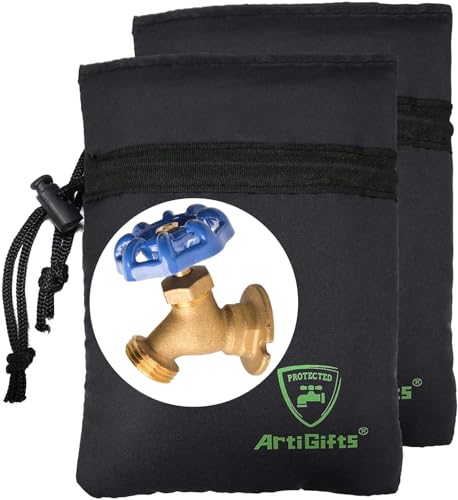
Super waterproof & insulation: the outside spigot covers were made of heavyweight polyester pongee waterproof fabric and special PP insulated cotton, which possess the characteristic of good water proof and insulation to guard against severe weather in winter such as freezing rain and snow.

Anti Frozen Waterproof: These faucet sleeves are made of insulating material, which not only can be waterproof, but also protect your outdoor faucet from freezing and help you save expensive maintenance costs
Your Faucet Protection Checklist: 3 Steps Before Winter Hits
| Step | Action |
|---|---|
| Disconnect hoses | Prevents trapped water that causes bursting |
| Install shut-off valves | Controls water flow from inside your home |
| Apply faucet covers | Adds insulation layer against freeze risk |
Proper installation is crucial. Gaps around irregular wall surfaces can compromise effectiveness. Cheap covers may crack under pressure, making them ineffective.
Don’t rely solely on covers; they are just one part of your defense. Combining them with interior shut-off valves and adequate insulation is essential. This layered approach effectively prevents outdoor faucets from freezing during extended cold spells. Taking these steps will greatly benefit you in the long run.

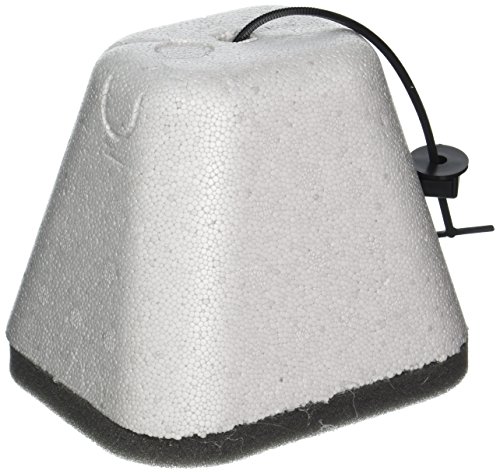
DURABLE AND STURDY: Built to last, our foam faucet covers for winter feature thickened foam and reinforced edges. Designed specifically for outside water spigot, these covers withstand harsh weather conditions and provide reliable protection season after season.

FROST-PROOF DESIGN: Specifically crafted for winter, our faucet covers provide a 1.5 cm insulating layer to shield your outdoor faucets from freezing. This EPS foam construction ensures your faucets stay operational even in the coldest months.