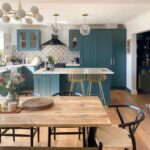

Blue appliances range from small countertop pieces to professional ranges, and the right one depends on whether you need the appliance to anchor the room or accent it.
A full-size blue refrigerator or range becomes the focal point and works best in a kitchen with neutral cabinets and good natural light, while a countertop toaster or stand mixer adds color without changing the layout.
Most retro-style blue refrigerators hold limited capacity, pro-style ranges need custom hood clearance, and light blues lift a small or north-facing kitchen where darker shades would close the space in.
1. Blue Ranges and Stoves
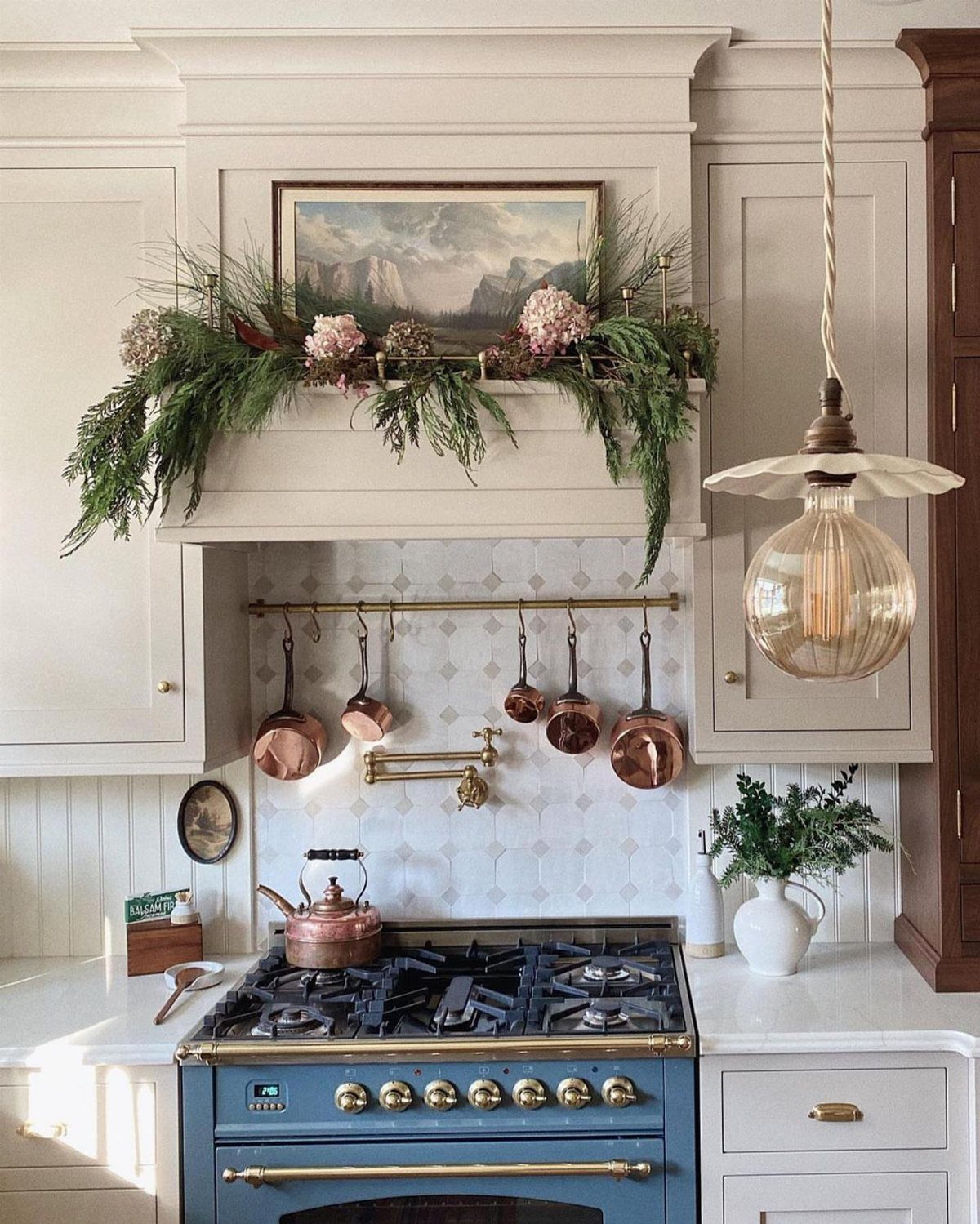
A full-size range in blue is one of the quickest ways to change the feel of a kitchen without touching the cabinets.
The effect is strongest when the appliance is the only bold color in the room, so keep the surroundings neutral and let the range carry the accent.
I like pairing a blue range with white subway tile and wood cutting boards to keep the room from looking too precious.
If you go with a professional-style range, measure the alcove before you order.
Pro-style ranges take up substantial counter width and depth, and some need custom hood clearance above. Gold or brass hardware softens the look; chrome or stainless leans industrial.
2. Blue Refrigerators
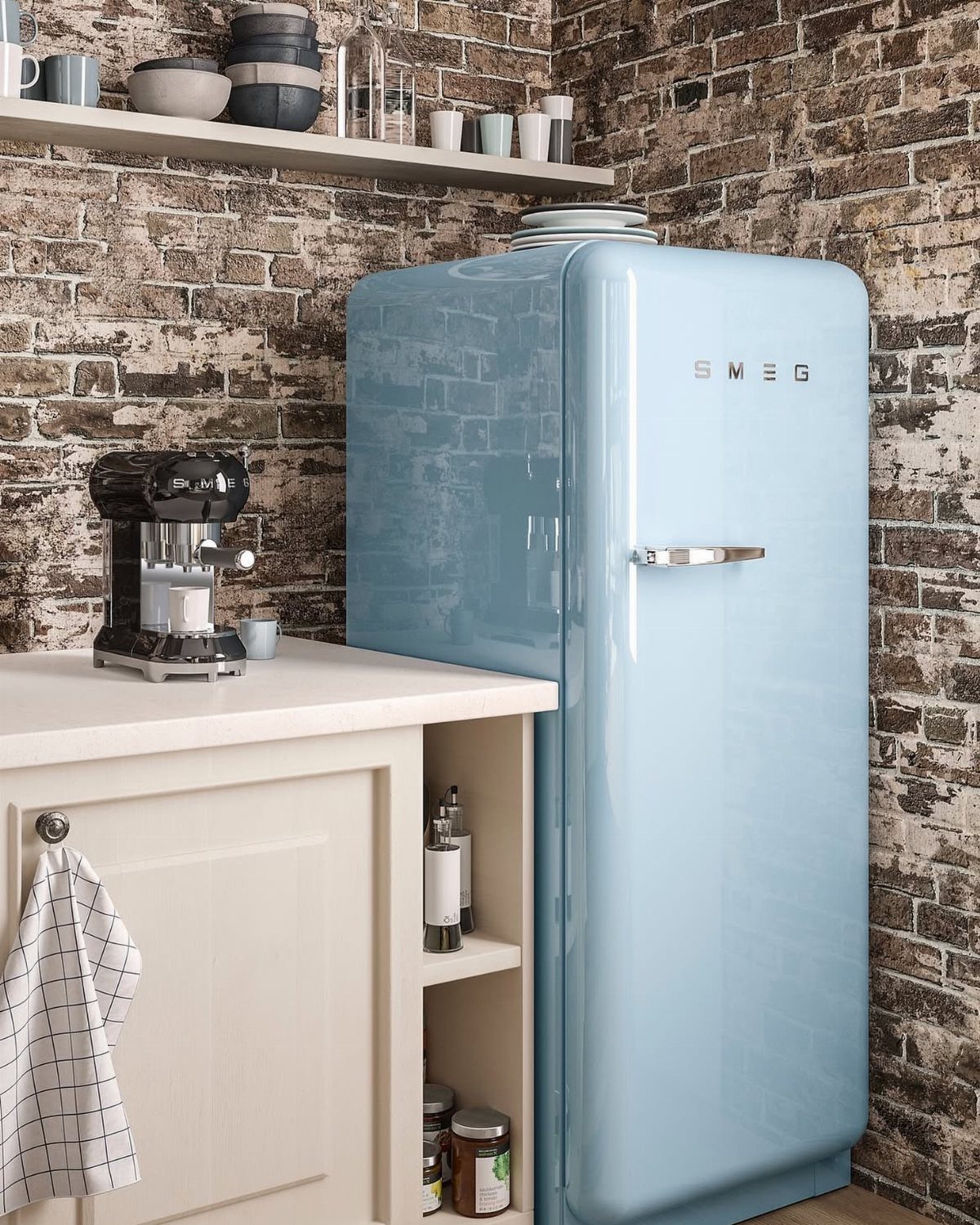
A blue refrigerator changes the room without adding cabinets or tile, which makes it a good option if you rent or want to keep your kitchen simple.
Retro-style models work best in smaller kitchens where the appliance becomes the focal point. I usually see these paired with white or light wood finishes, and the contrast is what makes it work.
Capacity is the tradeoff.
Most retro-style blue fridges hold limited capacity, which is fine for one person or a couple but tight for a family. Measure your weekly groceries before you commit to a compact model, or plan for a separate pantry fridge.
3. Blue Wall Ovens
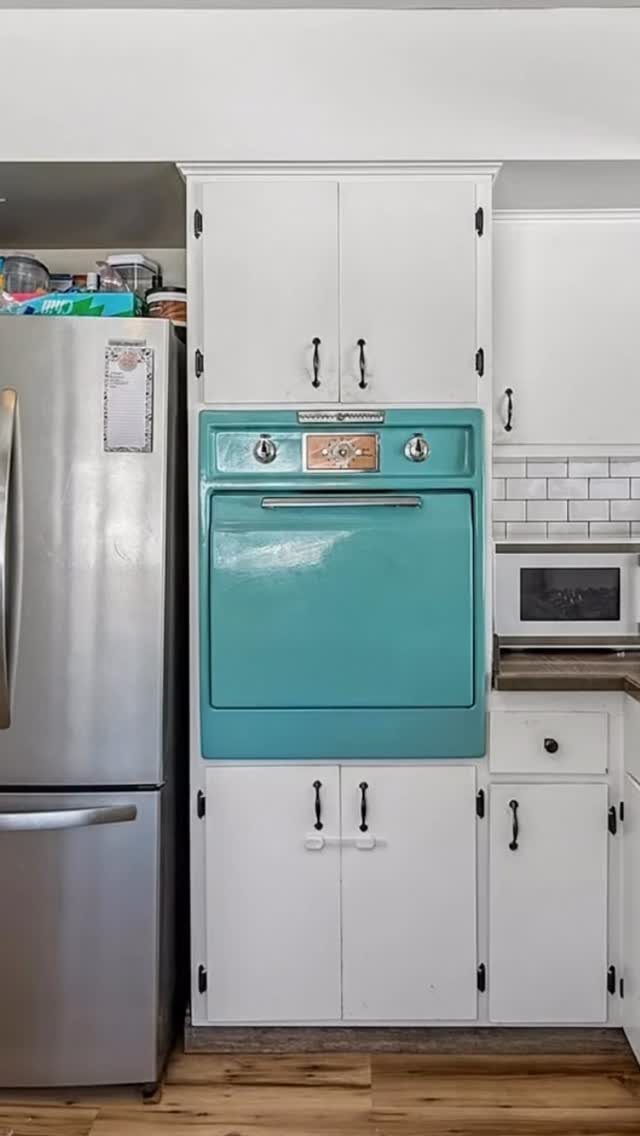
A wall oven in blue works when the kitchen has built-in cabinetry and you want appliance color without changing the countertop layout.
I see this most often in remodels where the cooking setup is already built into the wall and the client wants to add personality without ripping out the structure.
The color reads strongest when the oven sits next to white or pale grey cabinets.
Check the cutout dimensions before you order.
Most wall ovens need a 27- or 30-inch-wide cavity, and some models require ventilation clearance that is not standard. If the existing cutout was made for a different brand, you may need a trim kit or a cabinet adjustment.
4. Blue Range Hoods
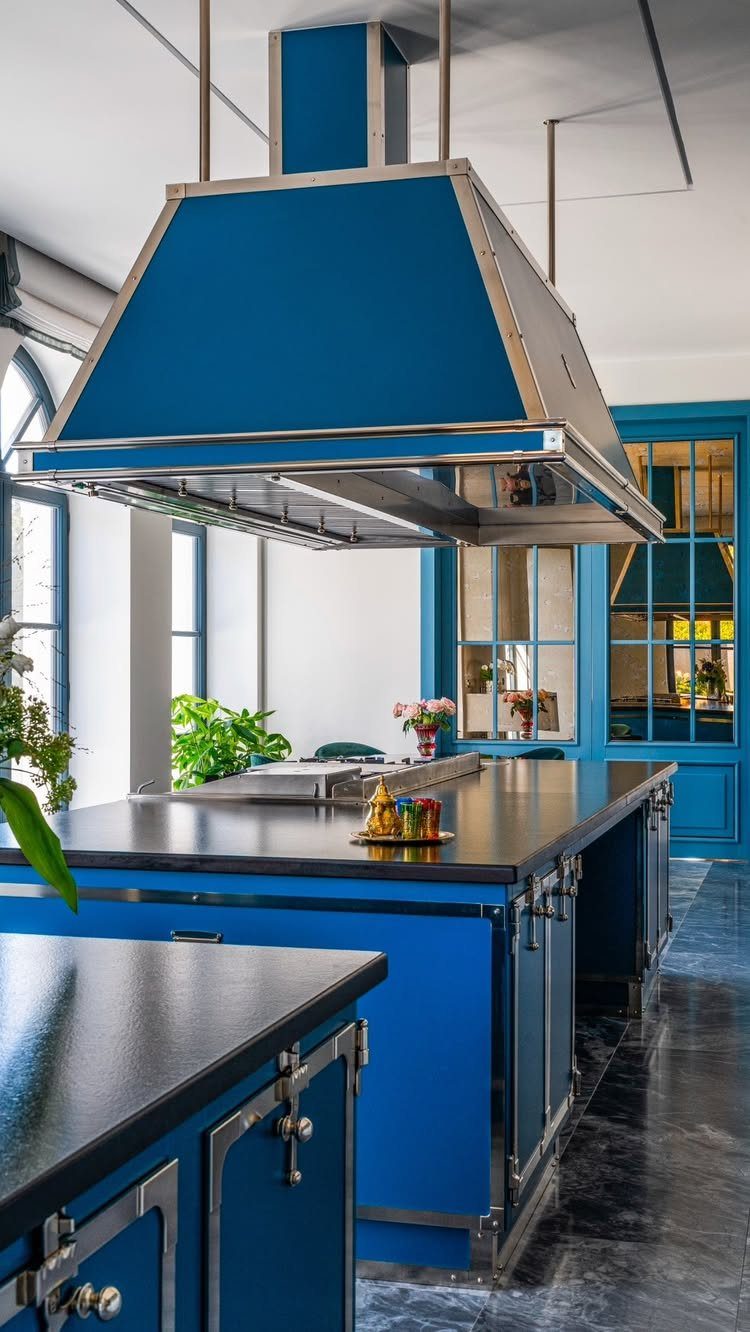
A colored range hood is a statement piece, and in blue it becomes the visual center of the kitchen.
I prefer this approach when the cabinets or island below also carry the same blue, which creates a deliberate vertical line instead of an appliance floating alone.
Pairing the hood with black or dark grey countertops keeps the blue from feeling too sweet.
Most custom hoods are built around a commercial insert, which means the color is applied to the surround, not the mechanical parts.
If you are working with a fabricator, specify whether you want a matte or satin finish. Gloss blue in a large hood can look plastic unless the light in the room is very even.
5. Blue Toasters
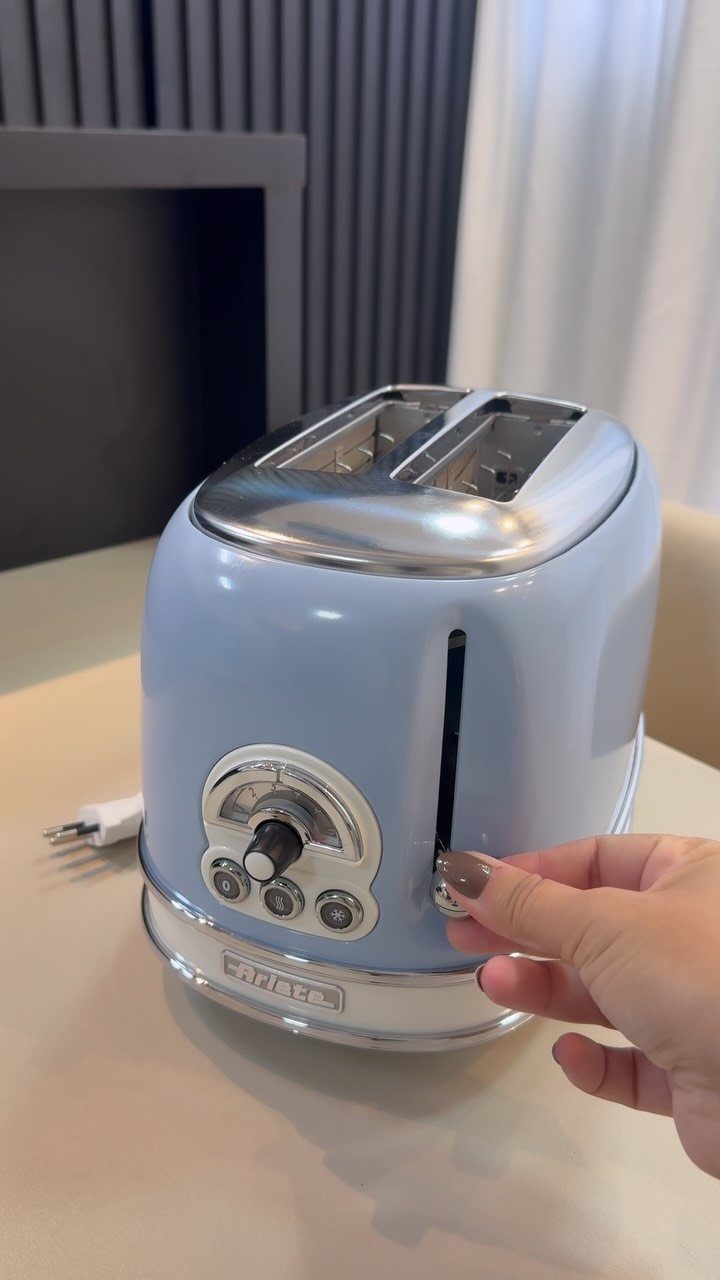
A blue toaster is one of the simplest ways to add countertop color without commitment.
It takes up less space than a stand mixer and costs less than most small appliances, so it is an easy test if you are unsure whether blue suits the room.
I like placing it against a white or beige backsplash where the color has room to register.
Most 2-slice toasters fit on a standard counter without crowding your prep area. Cheaper toasters often burn unevenly, and that becomes obvious fast.
6. Blue Air Fryers
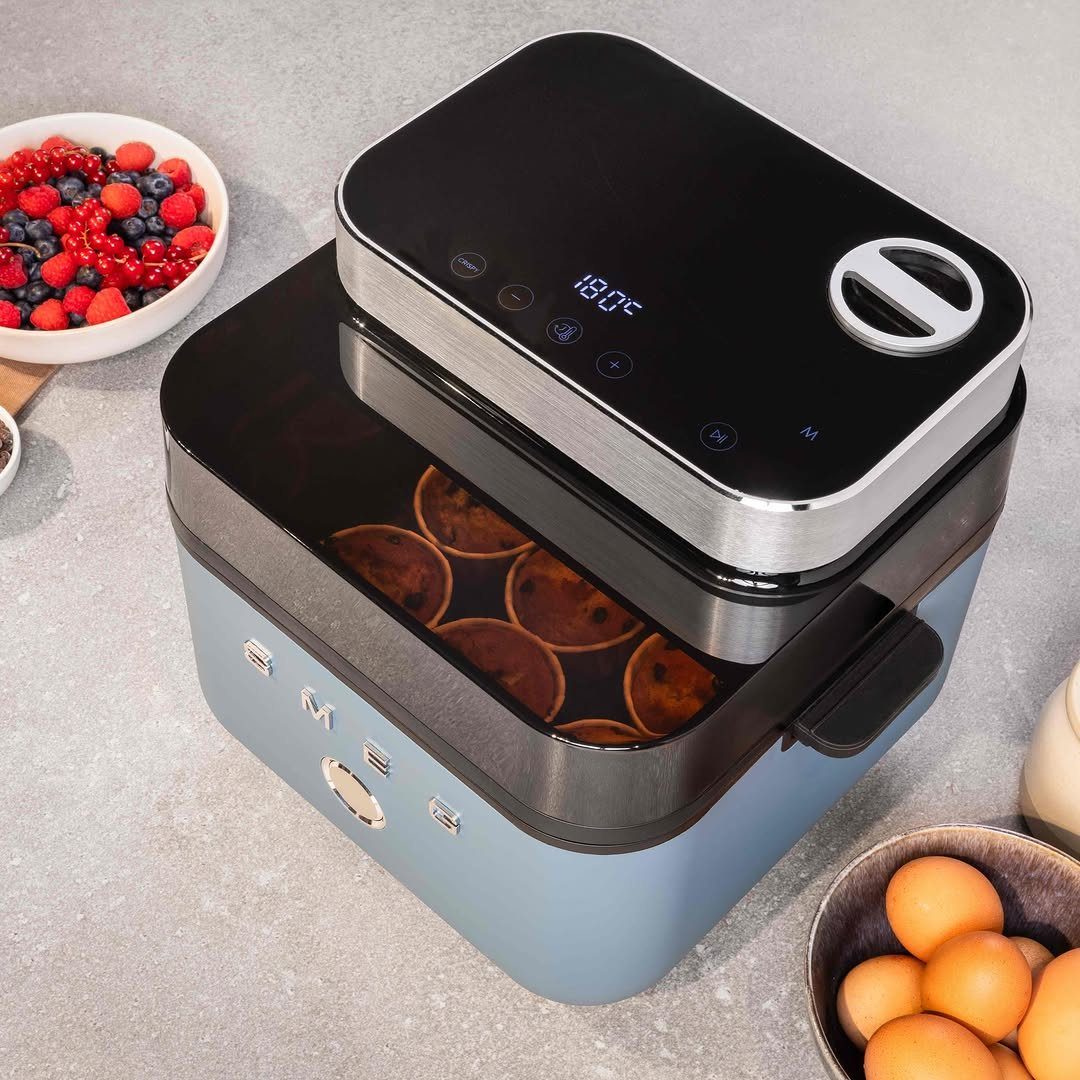
An air fryer in blue sits on the counter, so it has to work visually when it is not in use.
I place it near the stove or on a kitchen cart where the color ties into other blue accents, like dish towels or canisters.
In a fully white kitchen, a blue air fryer adds the only pop of color without requiring cabinet paint or new tile.
Capacity matters more than color.
Smaller models feed one person or a couple; larger ones handle a family meal. Most air fryers need clearance above and behind them for ventilation, so measure the spot before you buy.
7. Blue Stand Mixers
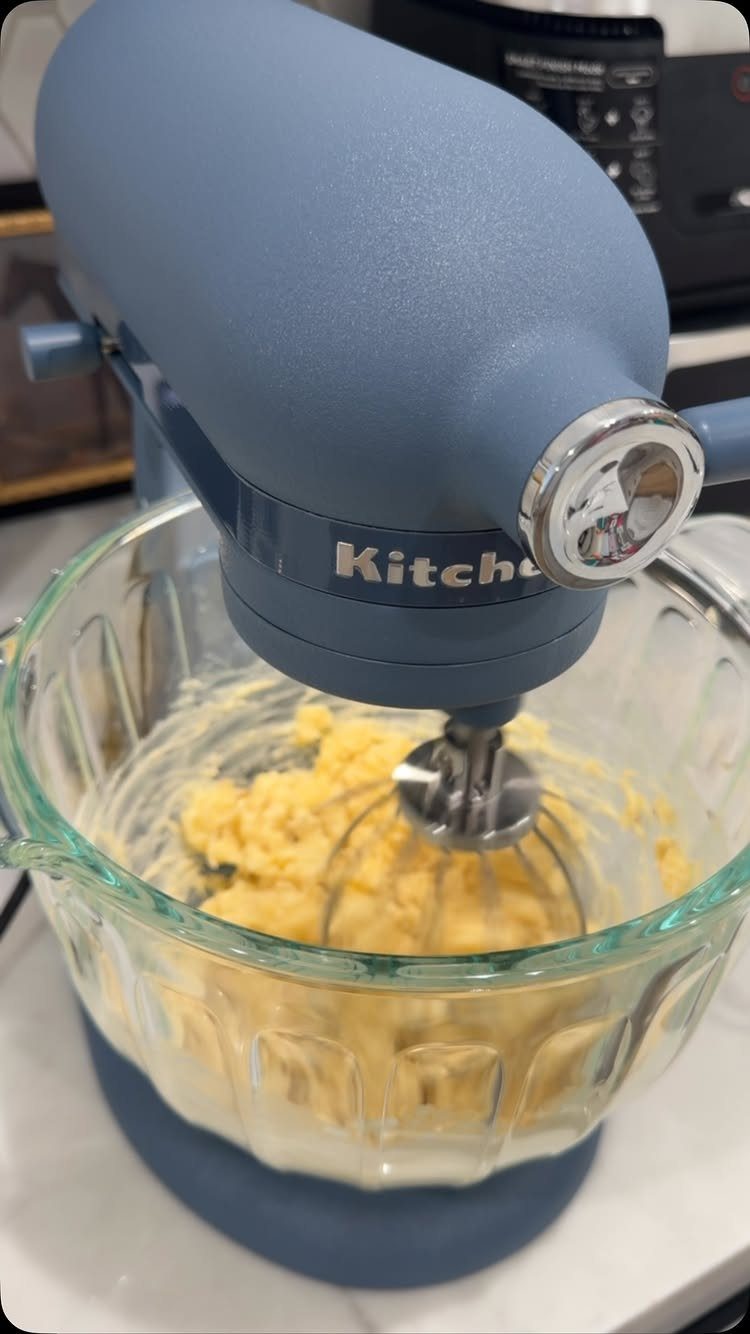
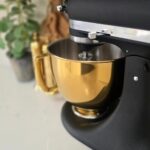
A stand mixer in blue holds a permanent spot on the counter, so the color becomes part of the room. I set it on open shelving or next to the stove so it sits alongside blue tea towels or canisters.
Most stand mixers include multiple attachments for dough, batter, and whipping. The glass bowl lets you watch the mix without stopping, which matters when you are folding or checking consistency.
8. Blue Electric Kettles
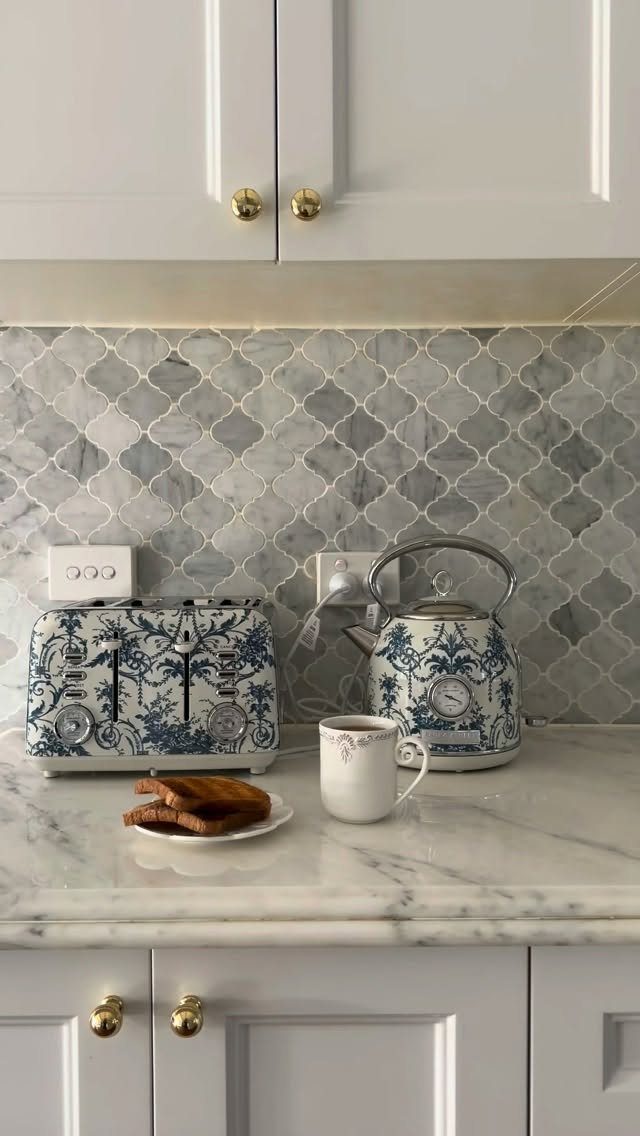
An electric kettle in blue and white pattern fits a beverage station where tea or coffee gets made daily.
I group it with a matching toaster or mug storage to create a small zone on the counter that looks intentional. The pattern softens the look compared to solid blue, which can read too stark in a minimal kitchen.
Patterned appliances work best when your counter otherwise stays plain. If your backsplash already has tile detail, a solid color kettle will compete less.
9. Blue Espresso Machines
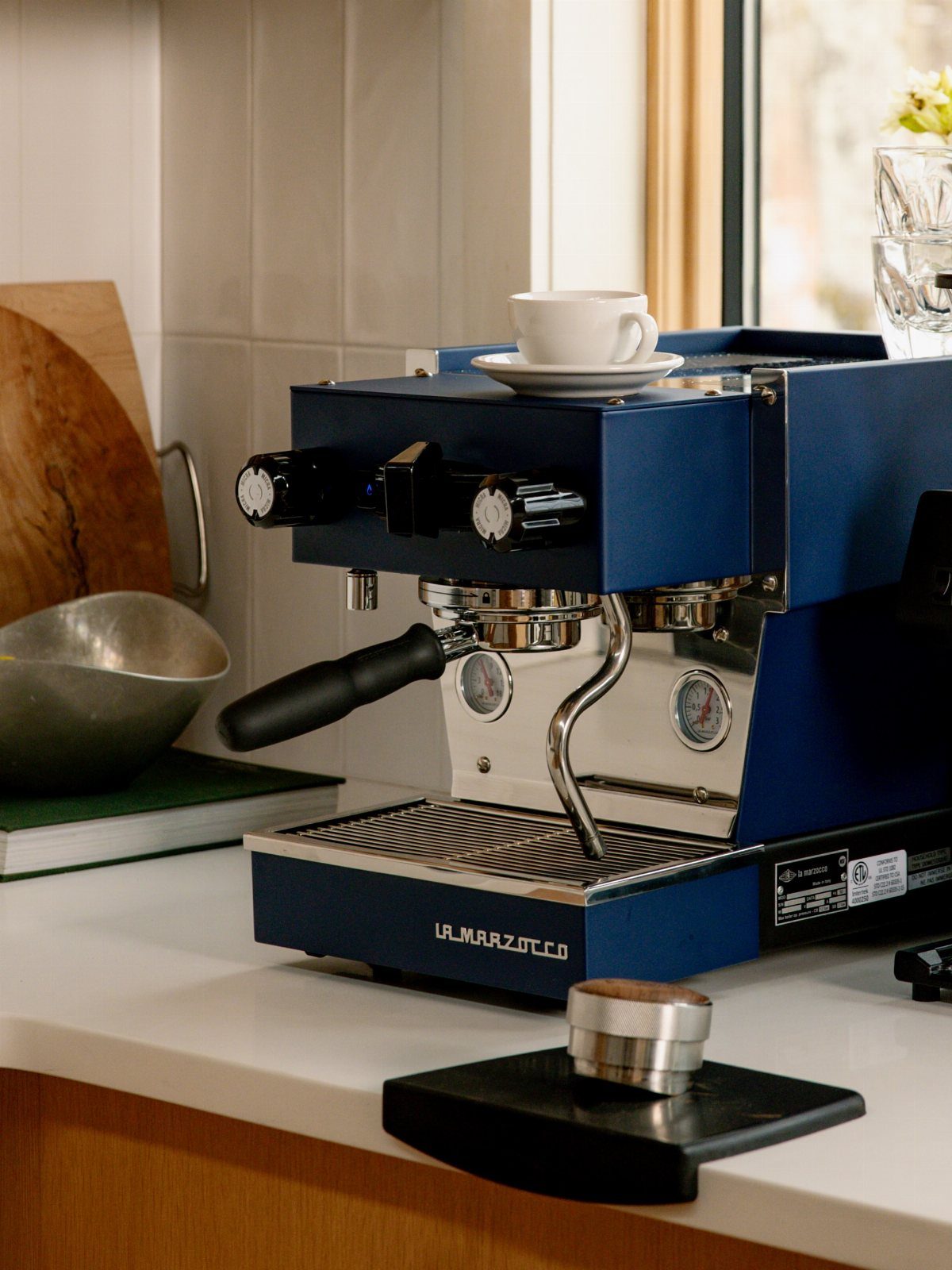
A countertop espresso machine in dark blue anchors a coffee setup without taking over the room.
I place it on a corner counter or beverage cart where it stays plugged in and ready. Darker blues look more grounded than pastels, which suits an espresso machine since the appliance is heavy and stays in one spot.
Measure the height before you buy if your counter sits under a cabinet.
10. Blue Coffee Makers
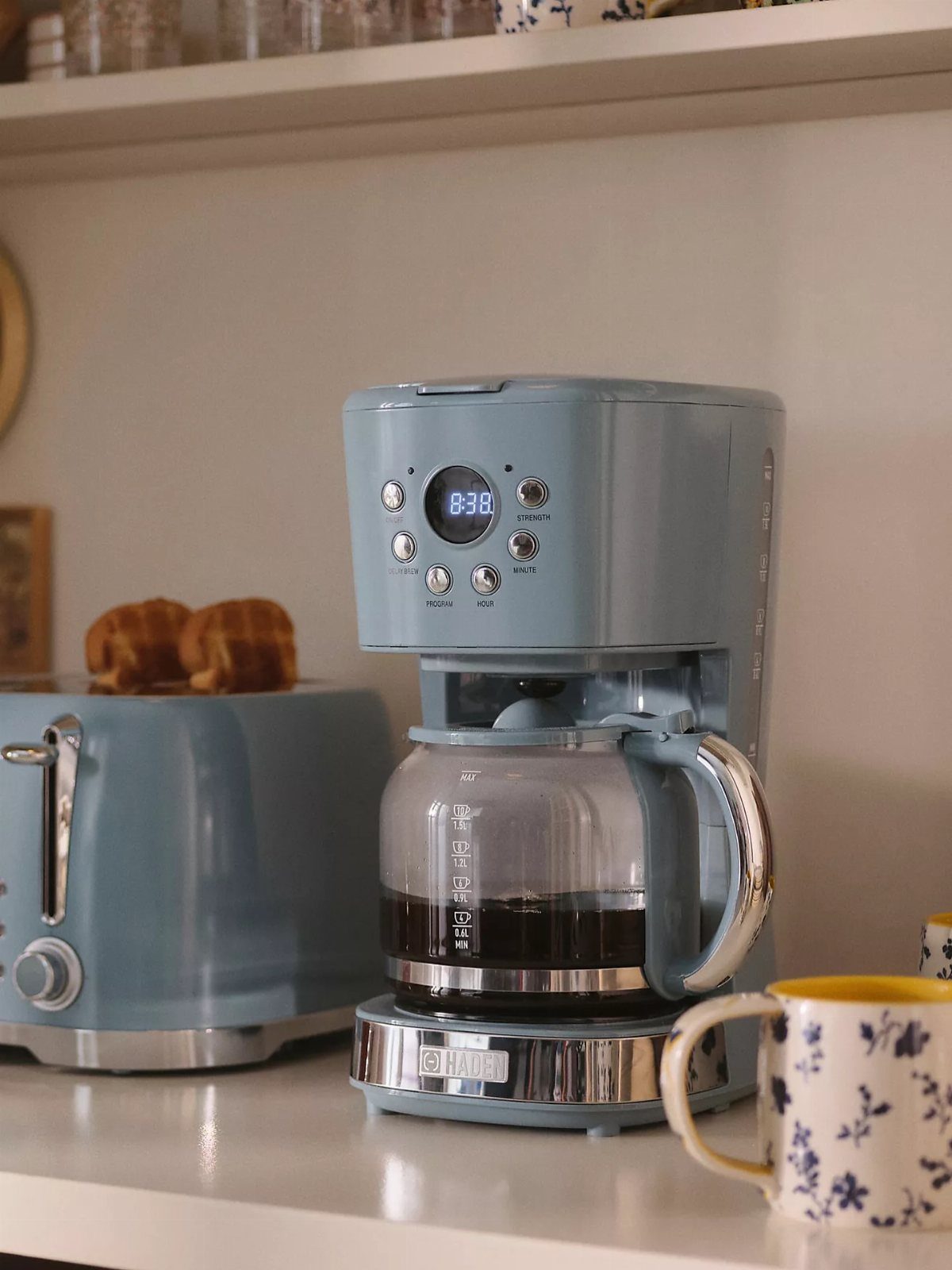
A drip coffee maker in light blue creates a coordinated countertop when paired with a matching toaster or kettle.
I set both on one end of the counter near the mugs to keep the morning routine in one place. The glass carafe lets you see how much coffee is left, which is practical when you are making multiple pots.
Light blue reads softer than navy or cobalt, so it suits kitchens with pale wood or white tile. In a darker kitchen, the color can disappear.
11. Light Blue Appliances
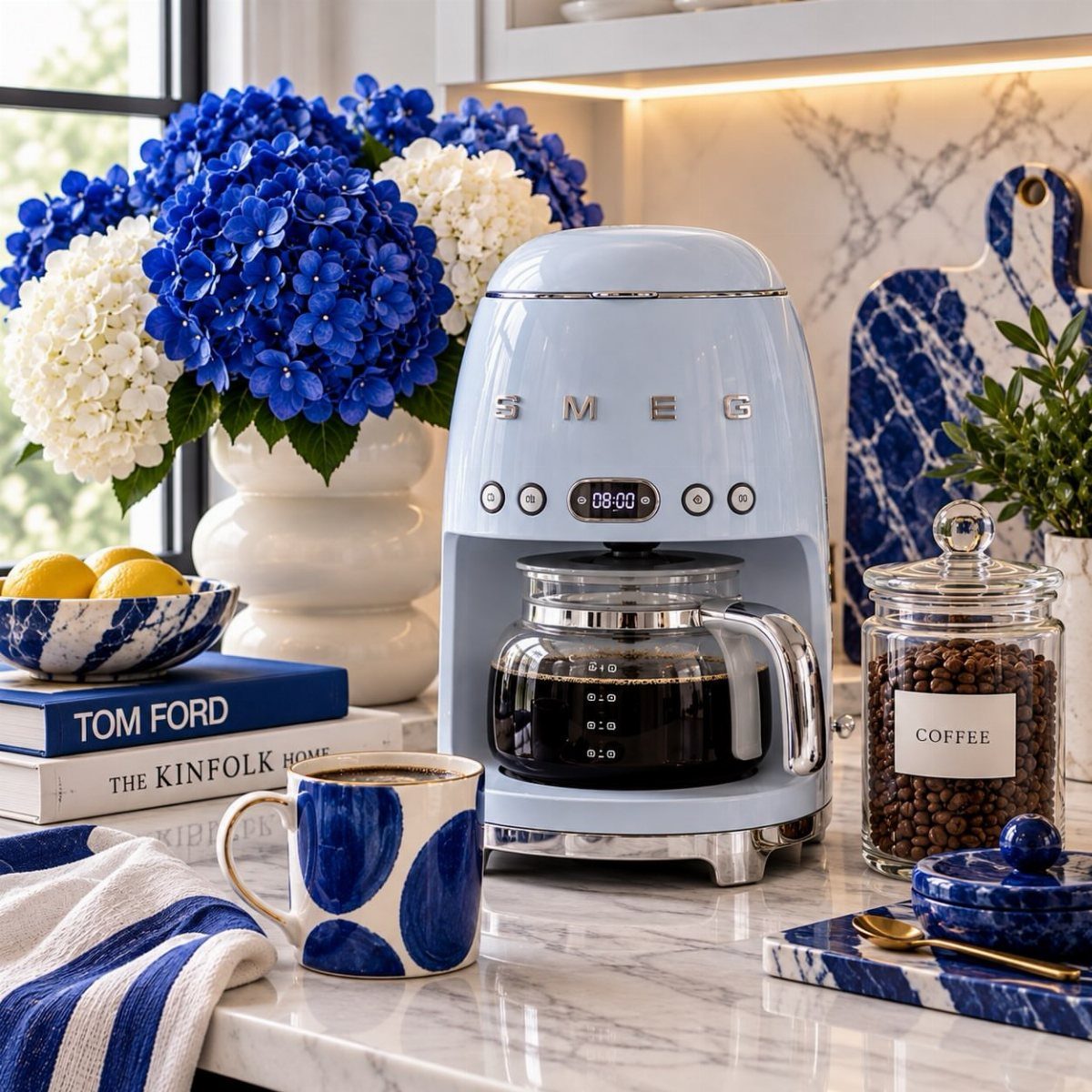
Light blue with a warm, tropical cast brings energy to a white or grey kitchen.
I use this shade when the client wants color but finds navy too serious or pastel blue too sweet. It works well on smaller appliances like coffee makers or toasters, where the brightness feels intentional rather than overwhelming.
Pair it with warm whites and natural materials like wood or marble to keep the look balanced. Cool greys or stainless steel next to bright blue can feel clinical.
12. Pastel Turquoise Appliances
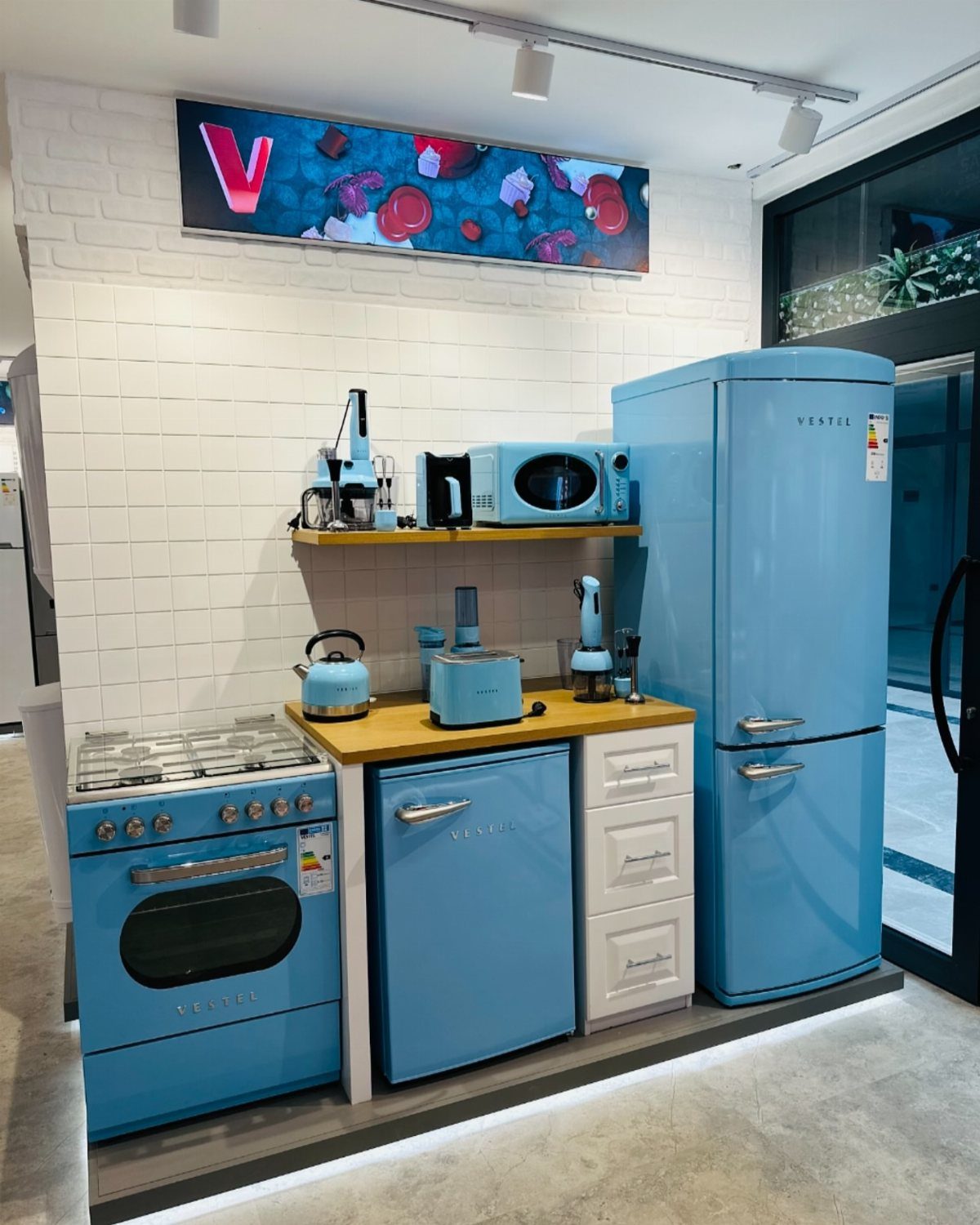
Pastel turquoise leans aquatic, which suits a kitchen with coastal or beachy finishes.
I see this color most often in full appliance sets where the fridge, stove, and microwave match, and the effect is strongest when the cabinets stay white or light wood.
The shade is softer than true turquoise, so it works in small kitchens without feeling too bold.
This color can look dated if the room has too much chrome or grey tile. Keep finishes warm and the palette simple.
13. Sky Blue Kitchens
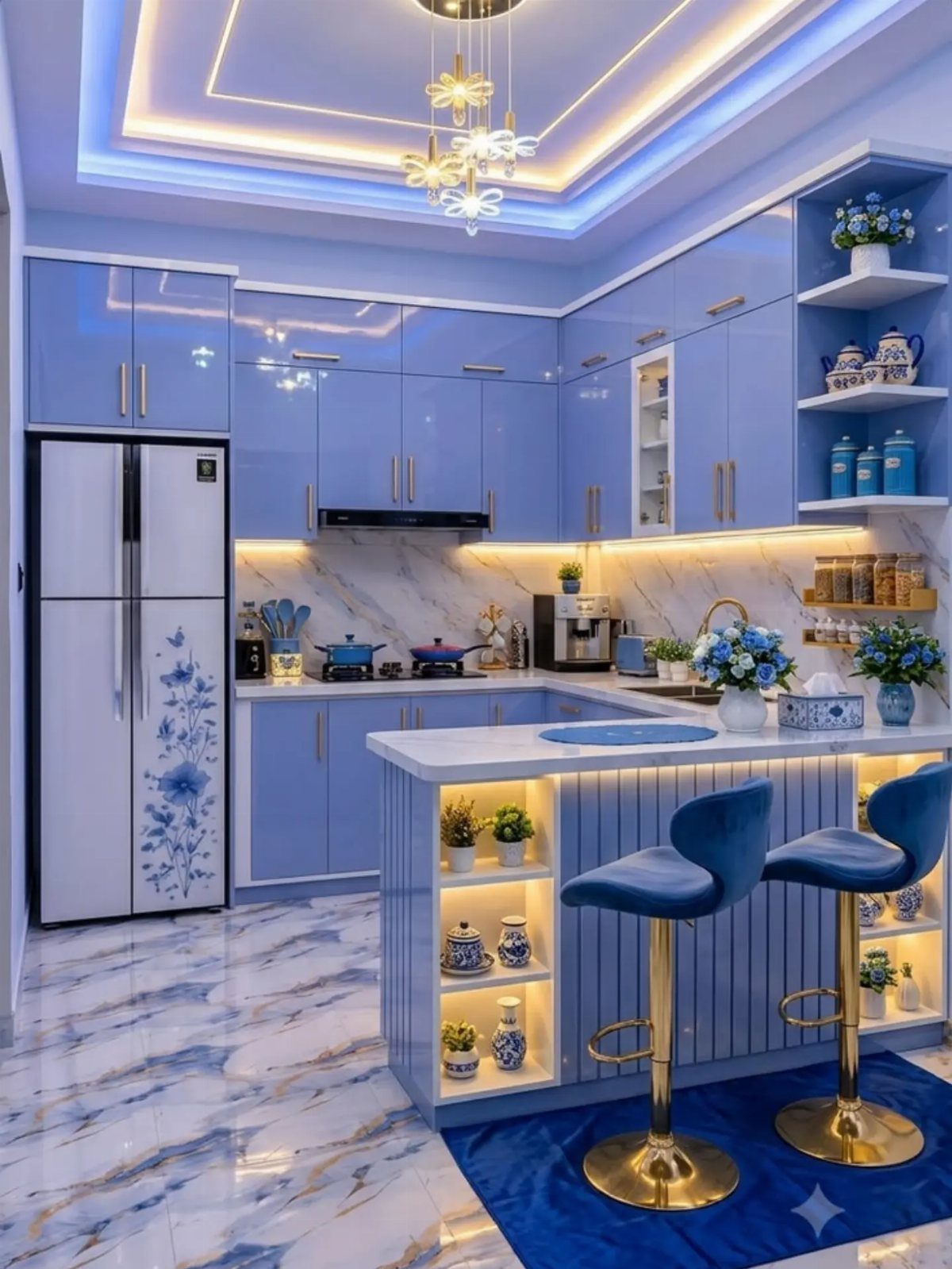
Sky blue cabinets lighten a kitchen without the sweetness of pastel or the weight of navy.
I use this shade when the space is small or the windows face north, because the color lifts the room instead of closing it in. Pairing sky blue with white countertops and light wood floors keeps the palette open.
Gloss finishes reflect more light than matte, which can help in a dim kitchen, but they also show fingerprints and grease. If you cook daily, a satin finish holds up better without losing the brightness.
14. Dark Blue Appliance Set
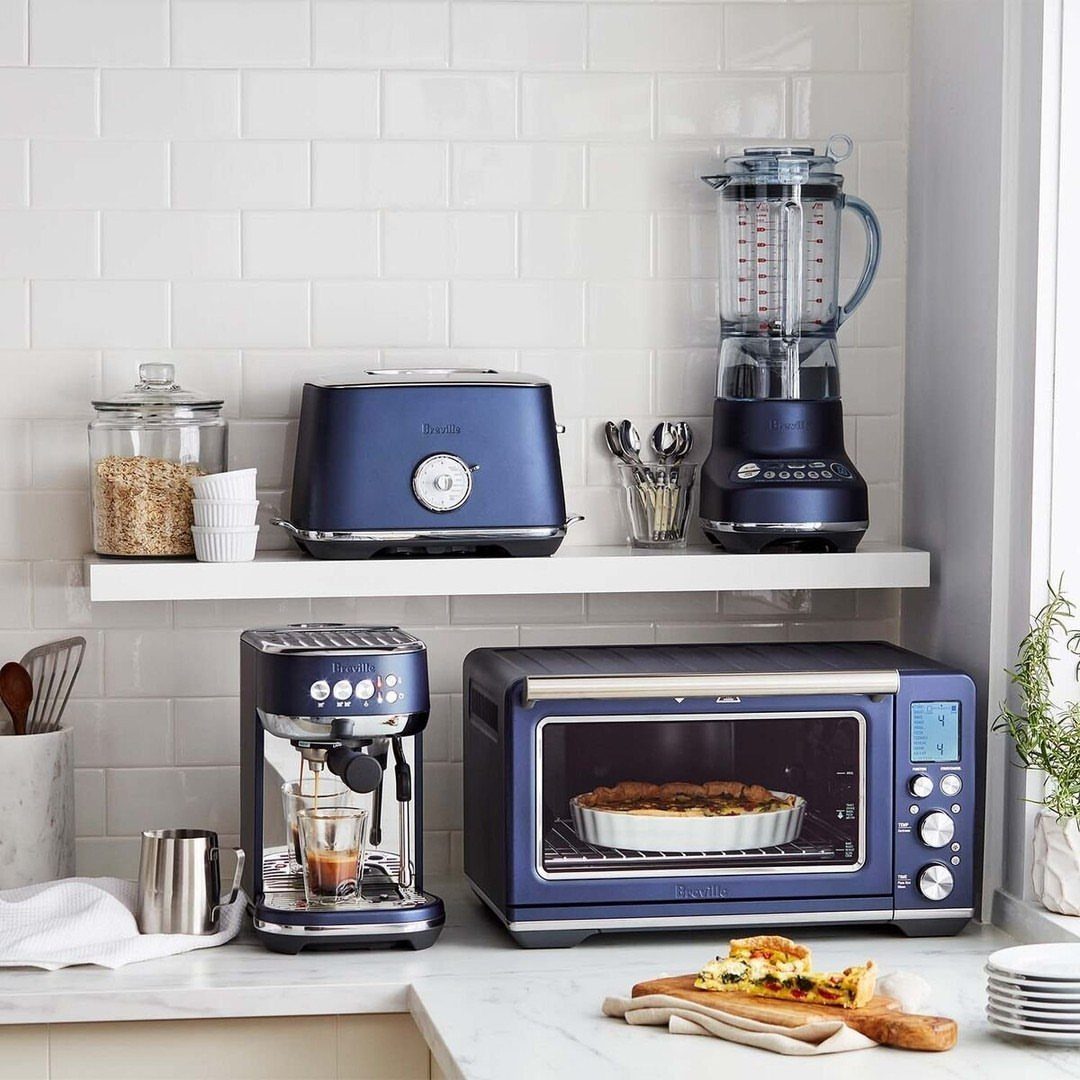
Grouping small appliances in one color creates a countertop set without needing to match the big appliances.
I keep a toaster, blender, espresso machine, and toaster oven together on one stretch of counter or shelf, which makes the collection look intentional rather than scattered. Dark blue against white tile or white cabinets reads modern without leaning retro.
If you buy over time, check that the manufacturer still makes the same shade. Blues shift between batches, and mixing 2 dark blues that almost match looks worse than mixing metals.
15. Blue Kitchen Appliances
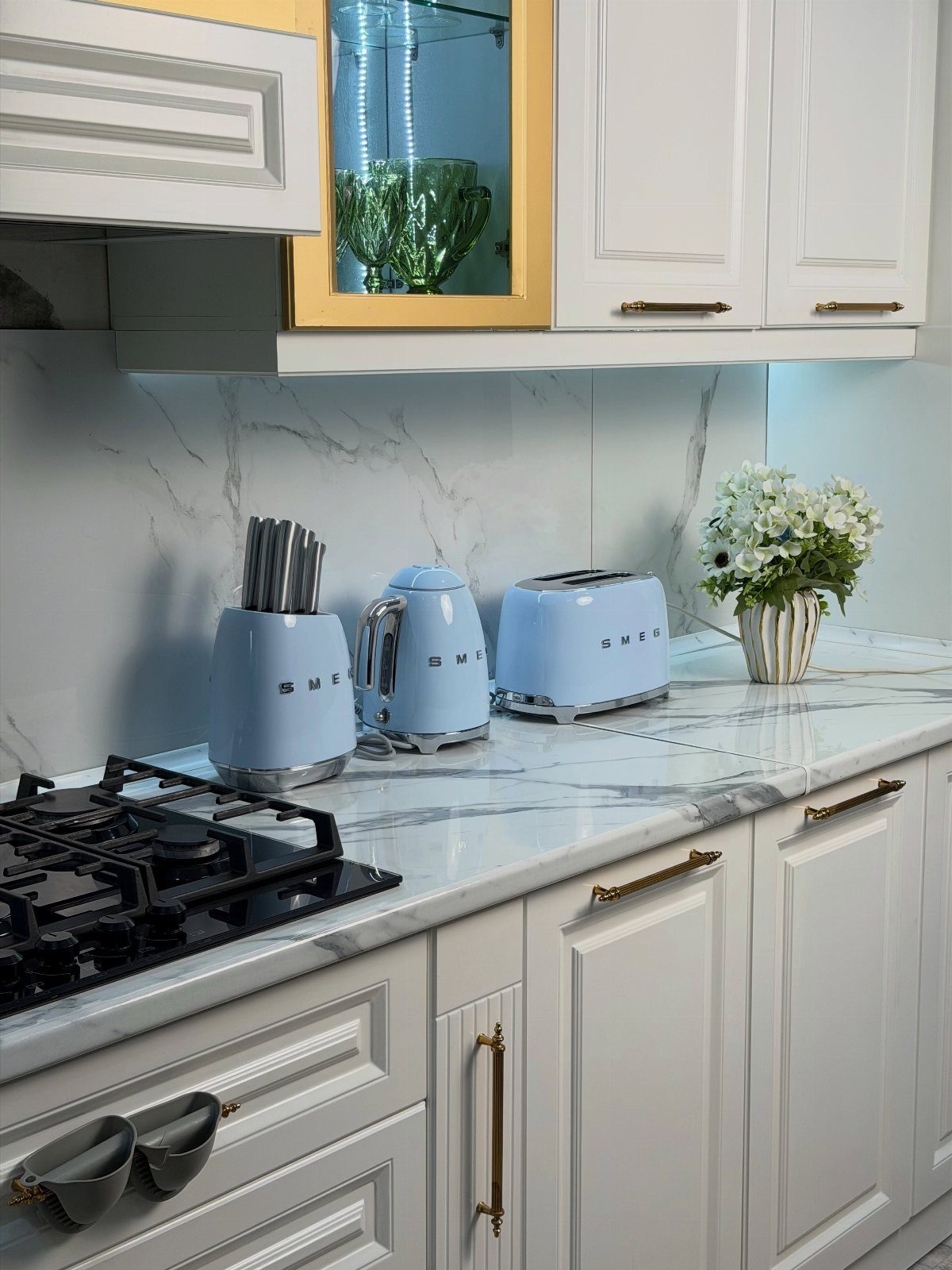
Pairing a light blue toaster and kettle on white marble gives you a countertop accent that stays neat and controlled.
I place both near the stove or sink so the color sits in one zone instead of spreading across the room.
The combination works in a rental or a first kitchen because it costs less than repainting cabinets and you can take it with you.
Backsplash or cabinet color calls for appliances that stay out of the way. Light blue needs a plain backdrop to register.
16. Blue Pizza Ovens
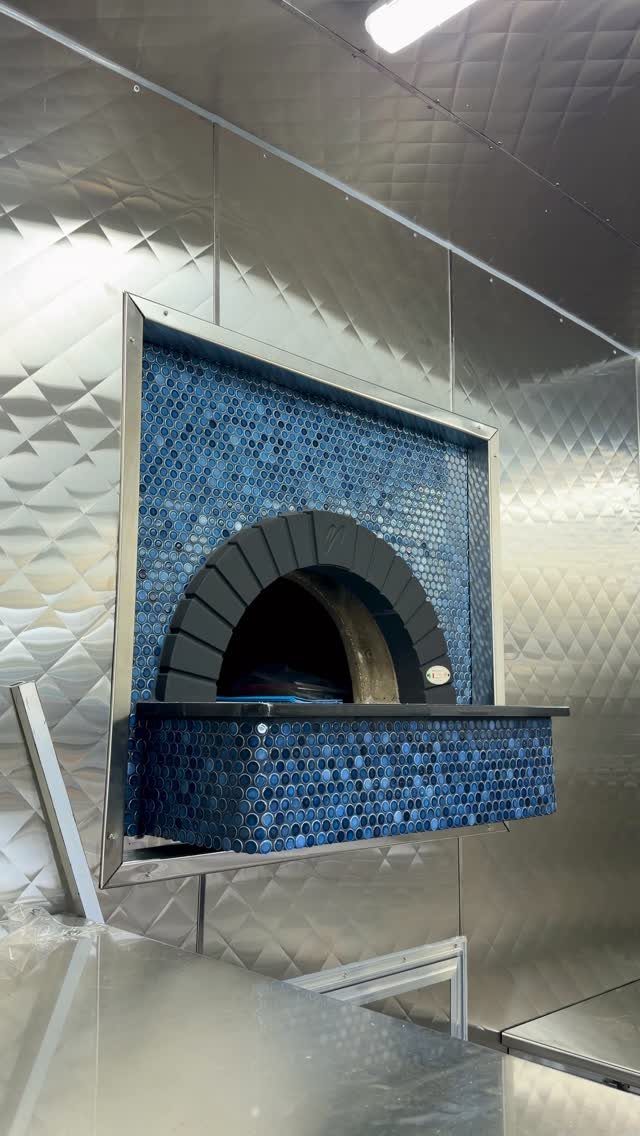
A pizza oven with blue mosaic tile adds color to an outdoor kitchen or a commercial setup where most appliances stay stainless or black.
The tile can be applied to a dome oven or around the mouth of a built-in unit, and the blue becomes the focal point in a row of neutral equipment.
I see this most often in Mediterranean or coastal designs where the blue ties into other exterior finishes.
Mosaic tile needs grout maintenance in high-heat areas. Seal the grout after installation and reapply every few years to prevent staining from smoke or grease.
17. Blue Floral Appliances
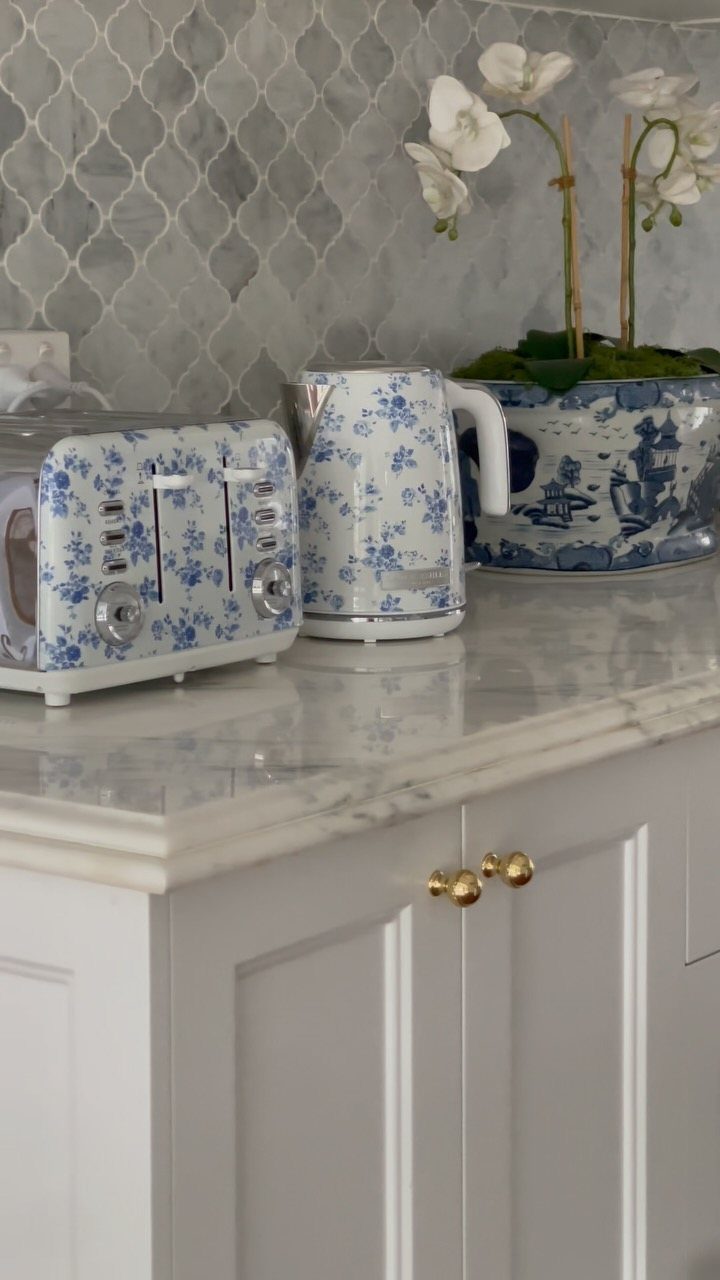
White appliances with blue floral patterns add decoration without solid blocks of color, which suits a kitchen where the cabinets or walls already carry blue.
I pair a patterned toaster and kettle with plain white counters and a simple backsplash, so the pattern has space to show. The look leans traditional, and it works best when the rest of the room stays quiet.
Patterns can date faster than solid colors. If you want flexibility, choose a classic floral motif rather than something trendy, and keep the scale small.
18. Blue Appliance Collection
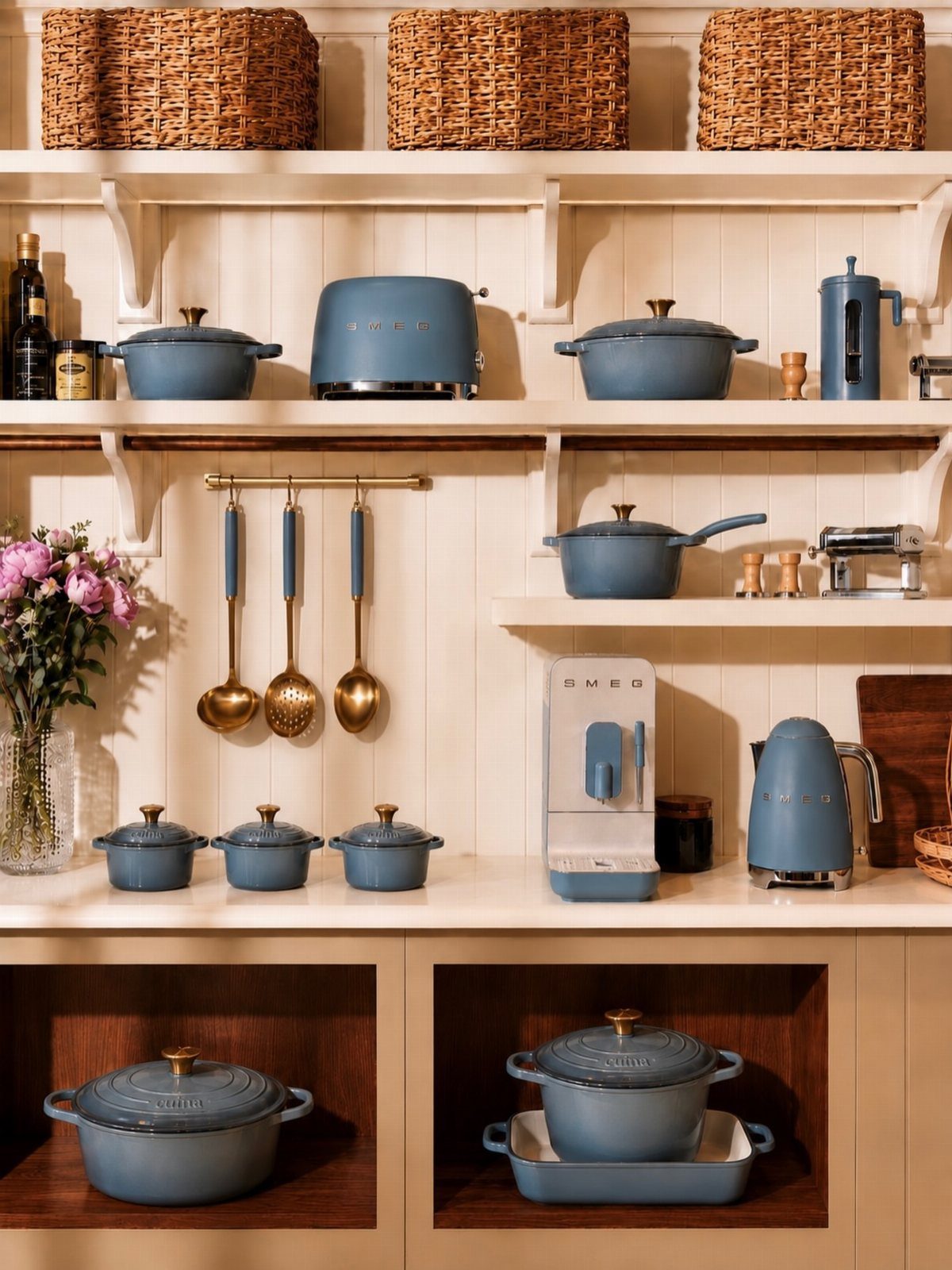
Storing blue appliances and cookware together on open shelving turns the collection into a display instead of hiding it behind cabinet doors.
I group a toaster, kettle, pots, and utensils on two or three shelves in the same color family, which creates a vertical block of blue in a white or neutral kitchen.
The arrangement works when you use these items daily and want them within reach.
Open shelves collect dust and grease faster than closed cabinets. If your stove sits nearby, plan to wipe the shelves weekly.
19. Light Blue Microwave
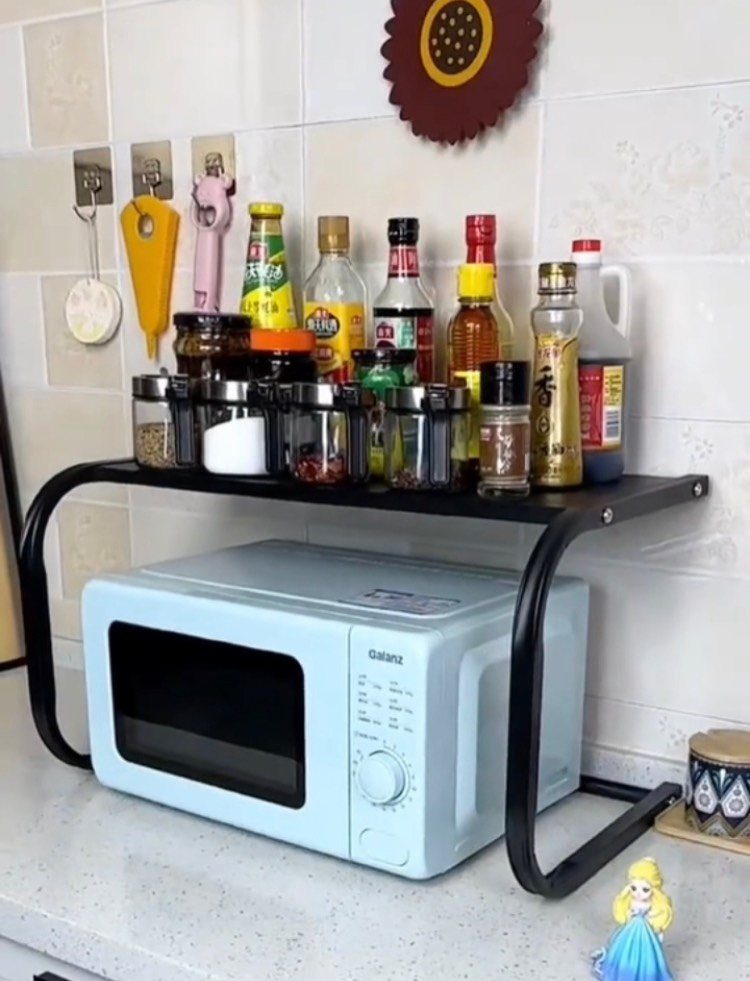
A light blue microwave on the counter stands out in a room otherwise filled with neutral tones.
I place it under open shelving or a spice rack so the vertical arrangement uses space twice without crowding the work surface. The light blue reads softer than navy and suits a kitchen with white or pale countertops.
Countertop microwaves need a few inches of open space on the sides and back for airflow, so check the clearance before you slide one into a corner.
20. Blue-lit Glass Kettle
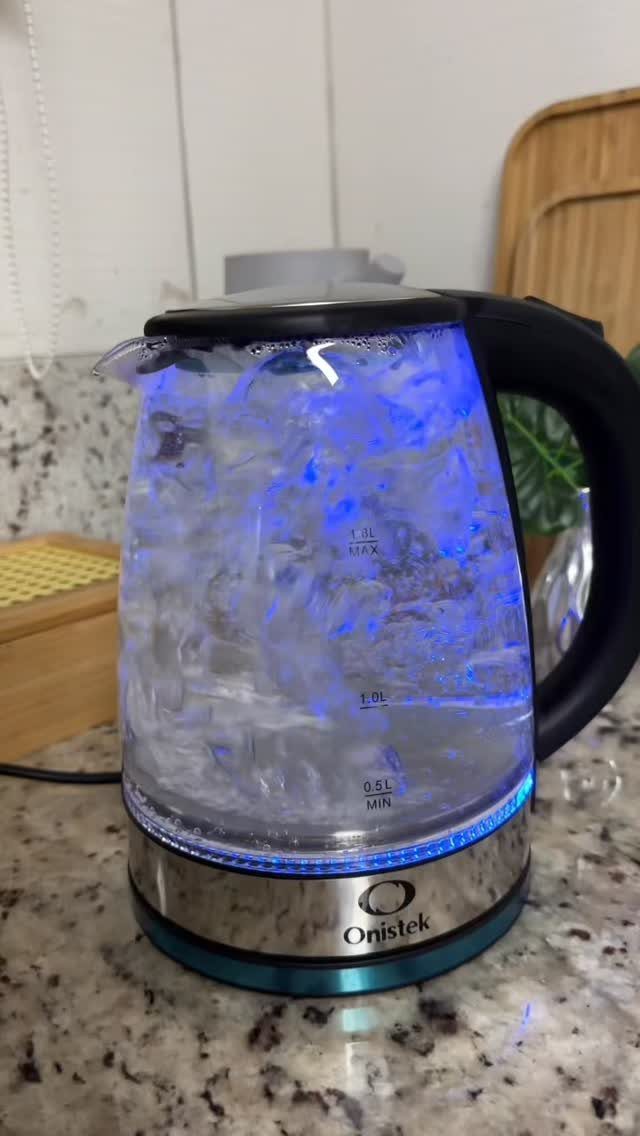
A glass kettle with blue LED lighting inside turns functional into visible while the water heats. The light comes on when you switch the kettle on, and it stays lit until the water boils.
I prefer this in a darker kitchen or on a counter where the glow adds a small accent without adding color to the appliance itself when it is off.
Most LED kettles need a solid base to hold the light and heating element, so the footprint is slightly larger than a standard electric kettle.
21. Blue Ranges with Gold Accents
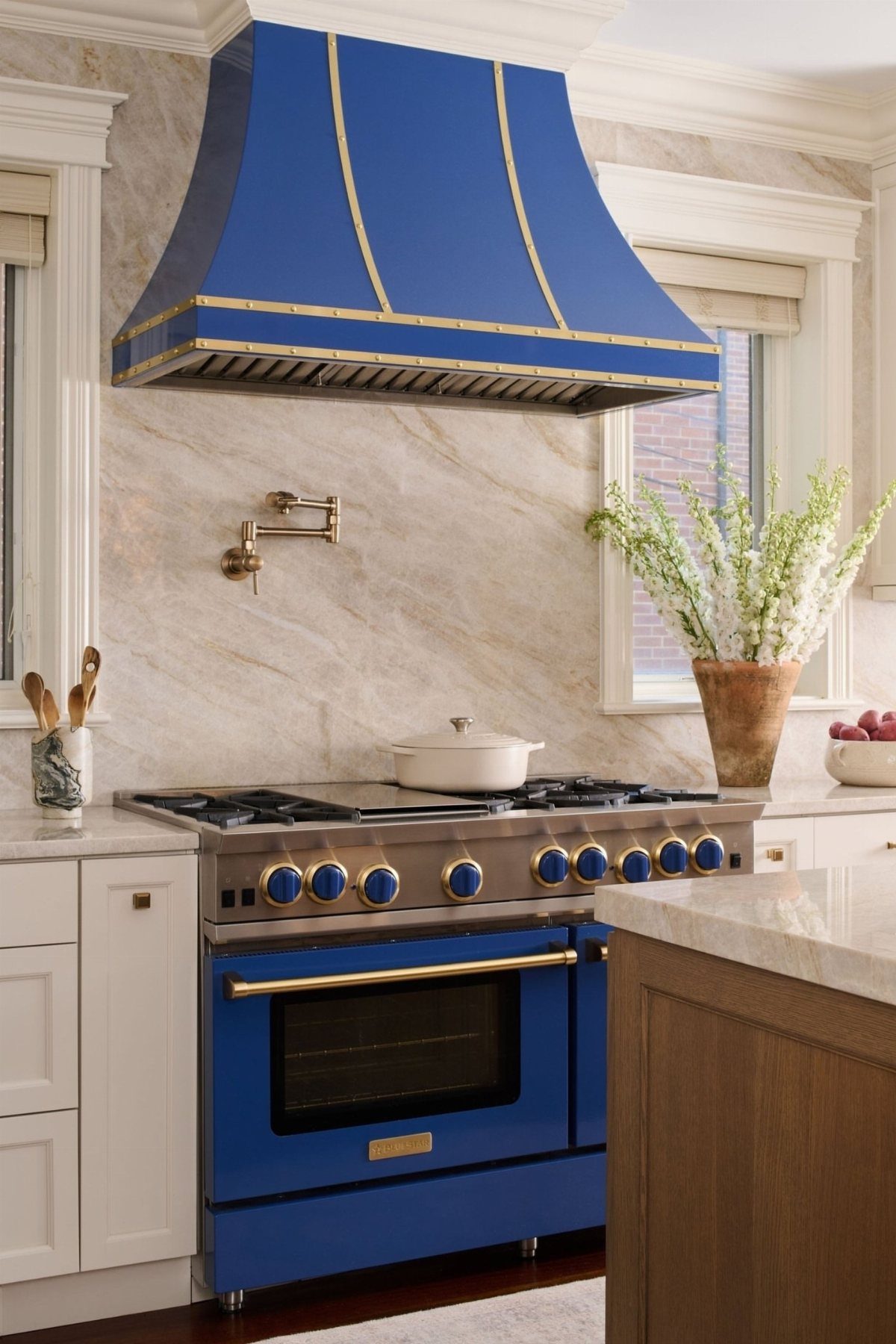
Gold hardware on a blue range lifts the appliance from bold to formal, and the combination suits a kitchen with other warm metal finishes like brass cabinet pulls or pendant lights.
I see this most often in remodels where the range and hood are custom or high-end, and the client wants something that reads as finished rather than just colorful.
Gold handles and knobs look sharper against a quiet countertop or backsplash.
If you add gold to a blue range after purchase, replace all the knobs and handles at once. Mixing finishes on one appliance looks unintentional.
22. Blue Countertop Appliance Styling
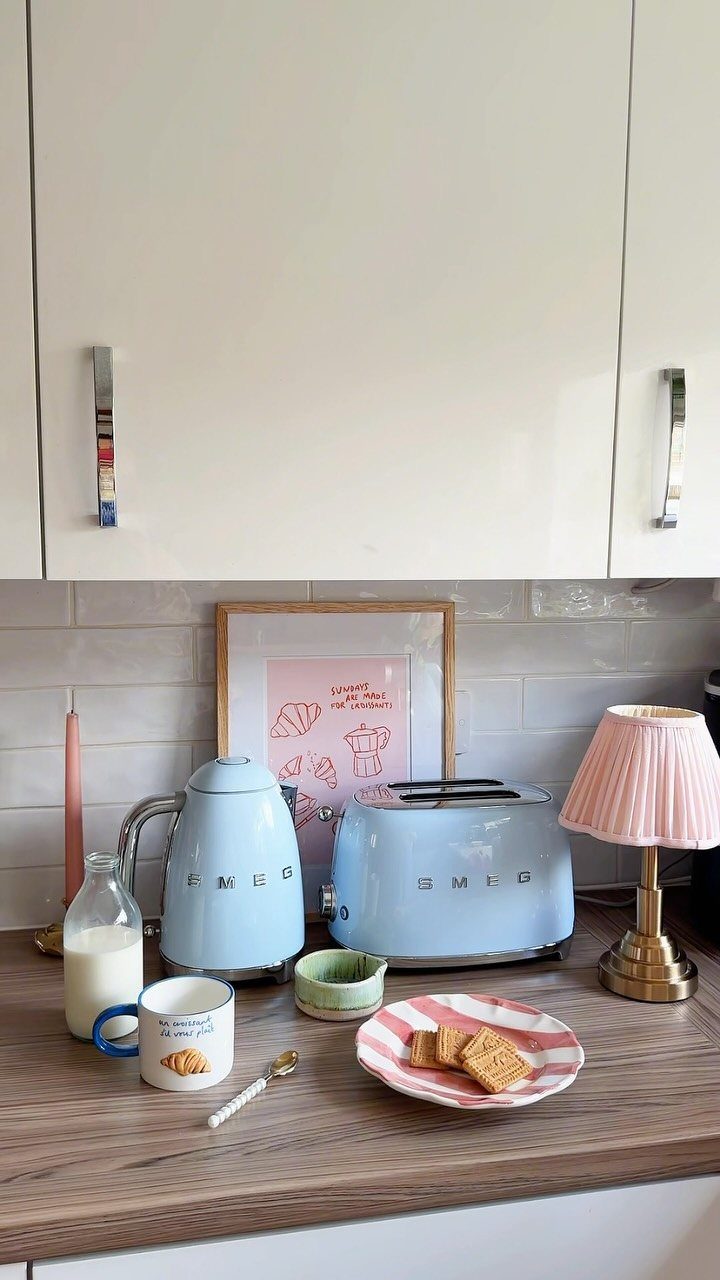
Placing a blue kettle and toaster together on the counter with neutral dishes and linens creates a breakfast zone that looks arranged without feeling staged.
I set both on a wood or light stone counter where the blue registers against the grain. The coordination holds together when the counter itself stays mostly empty, preventing the arrangement from feeling busy.
If your counter already has a lot of items out, stick to one blue appliance instead of two.
23. Light Blue Blender
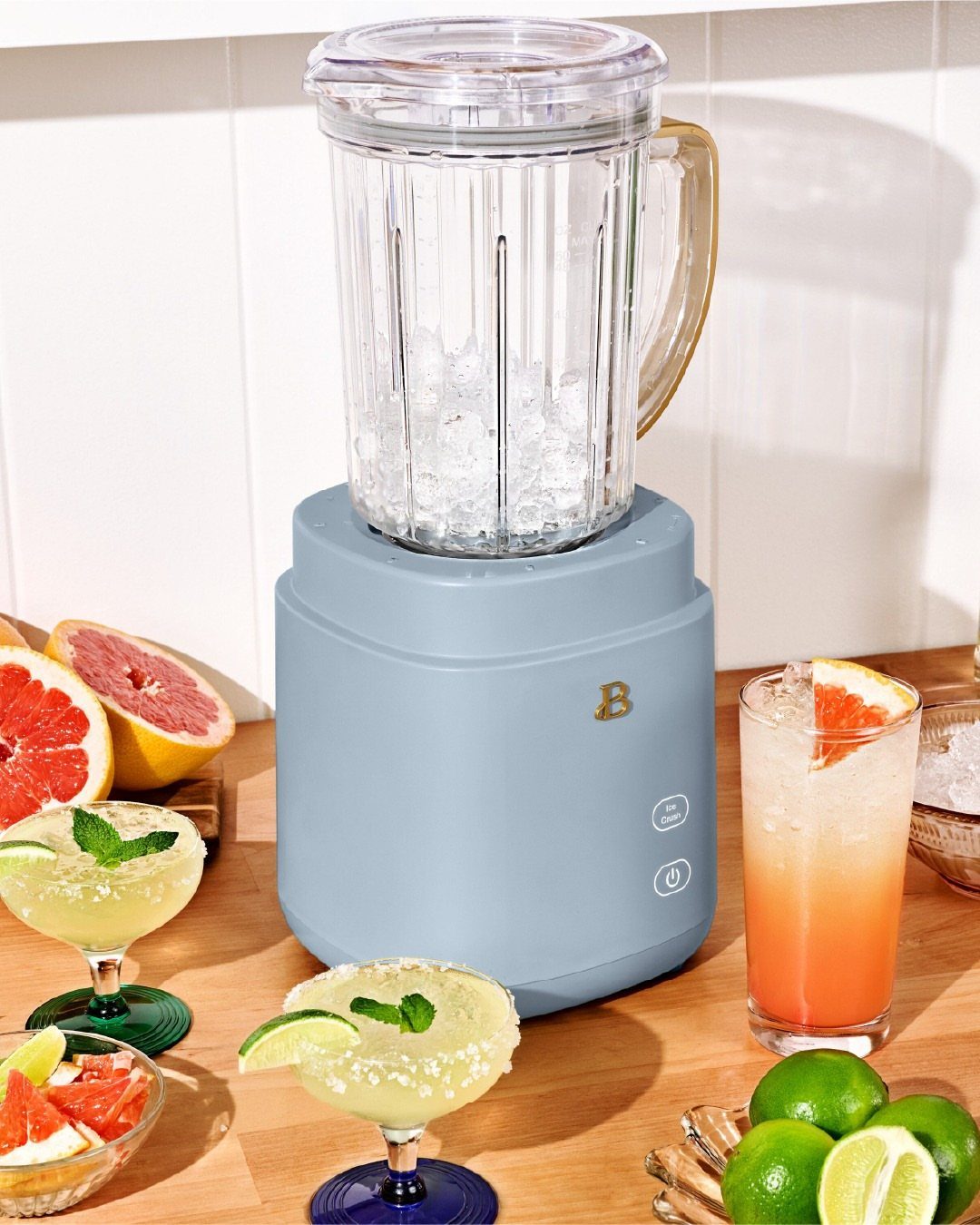
A blender in light blue stands out on a wood or stone counter, especially when styled with fresh ingredients or glassware nearby.
I place it near the sink or on a beverage cart where it stays accessible for daily smoothies or drinks.
The color works in a kitchen with white or warm finishes, and the glass pitcher lets you see the contents while blending.
Blenders with ice-crushing settings need a sturdy base to stay stable during use. Lighter models can walk across the counter if the motor is working hard.
24. Light Blue Espresso Machine
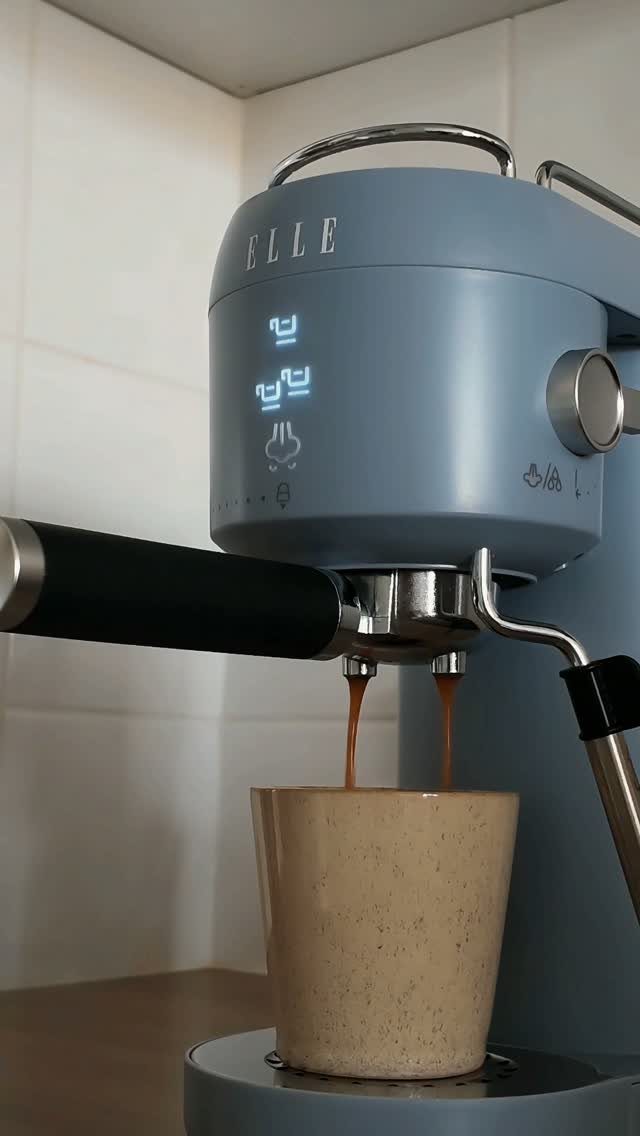
Light blue on an espresso machine softens the look of a countertop coffee setup without losing the weight of a serious appliance.
I set it on a corner counter or beside a grinder where the color echoes other blue details nearby. The pale shade suits kitchens with white tile or wood finishes, and it reads less industrial than stainless steel.
Most compact espresso machines need space behind them for the water reservoir to slide out, so leave clearance if your counter sits against a wall.
25. Blue and White Patterned Appliances
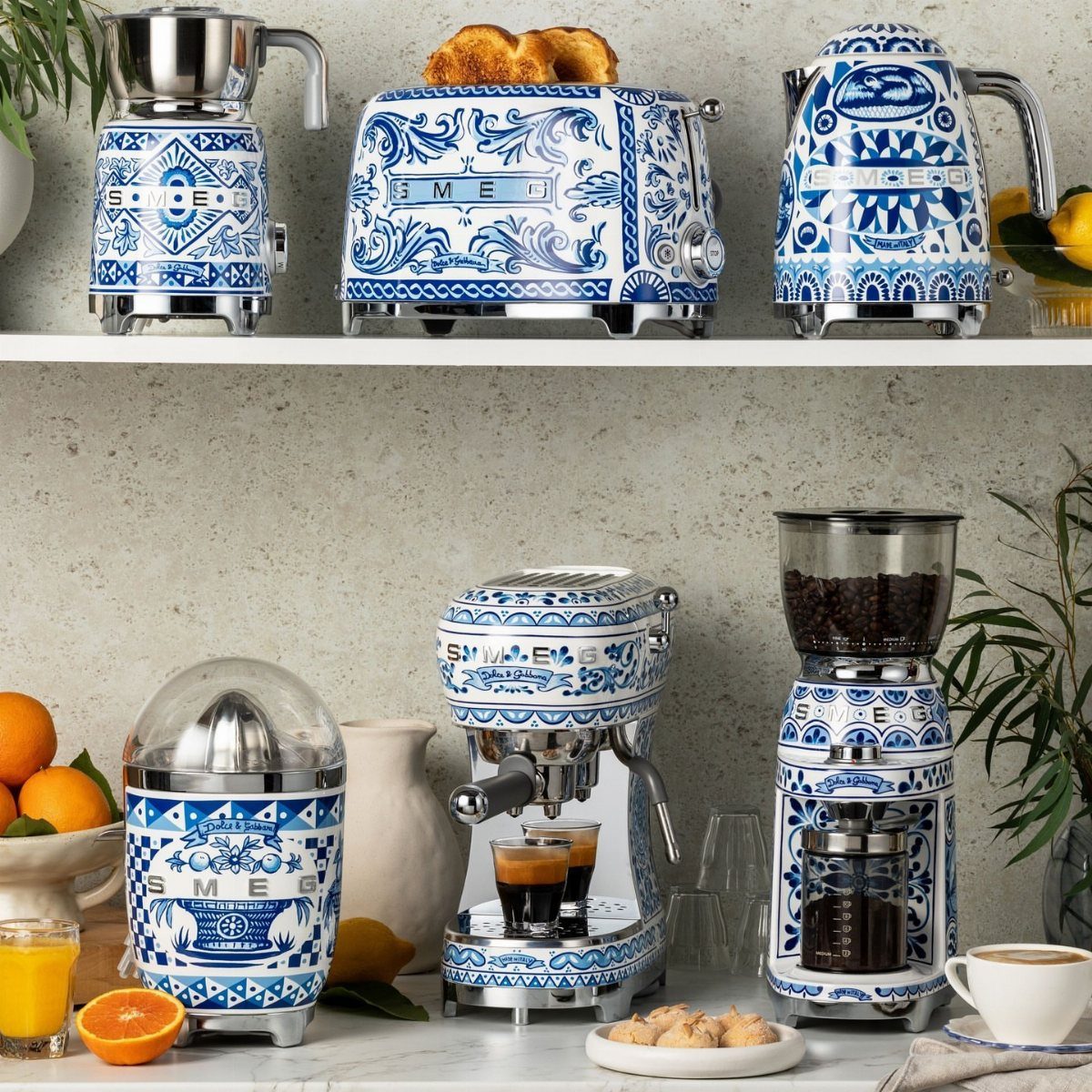
Grouping blue and white patterned appliances on open shelving or a single counter section gives you a coordinated look without committing every surface to the pattern.
I keep the backdrop plain so the detail reads clearly. White tile or painted shelves let the pattern stand out, while busier surroundings compete with it.
This arrangement depends on using all the appliances regularly. If one sits unplugged most of the time, the collection loses its rhythm.
26. Blue Appliance Collection
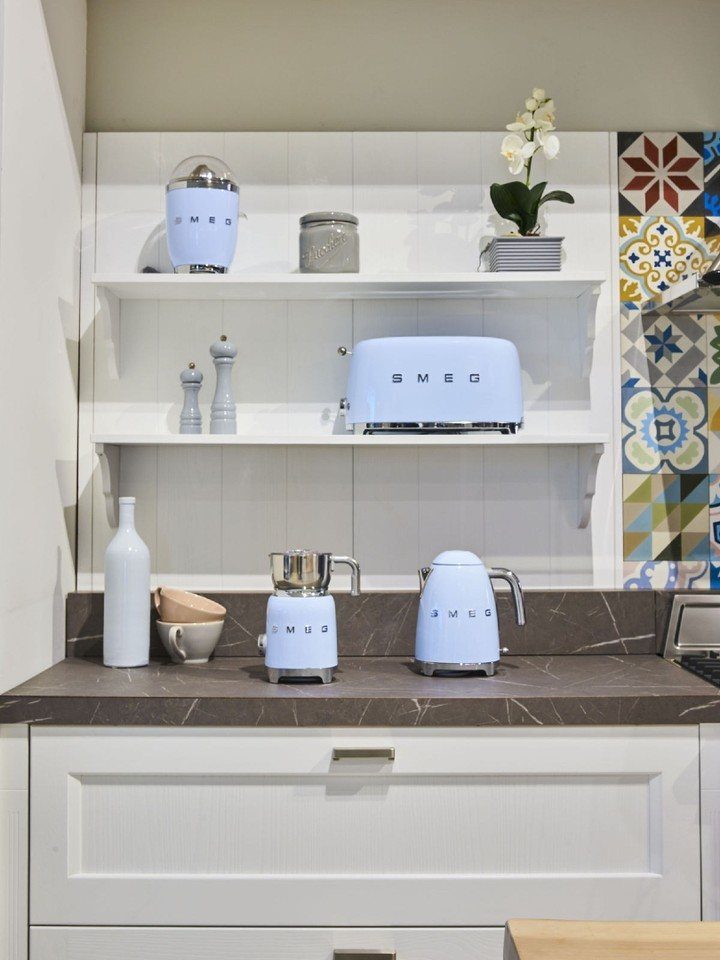
Buying several appliances in the same light blue at once saves you from hunting down matching shades later.
I set them on one shelf or counter where they function as a unit rather than scattering them around the room. The pale blue holds together against white or wood without needing other color nearby.
Light blues shift between product lines, and a near match reads as a mistake.
27. Blue Stand Mixer
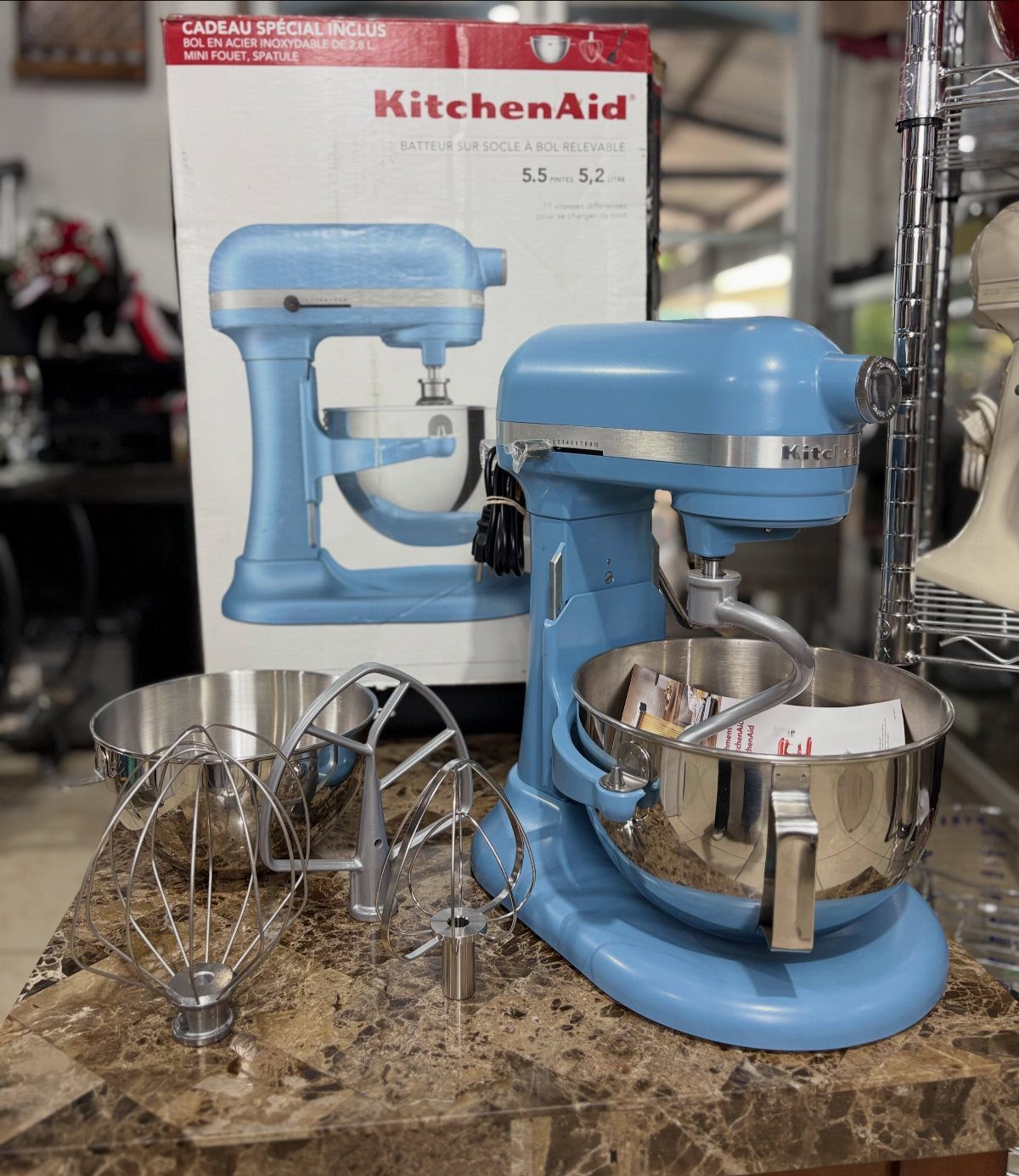
A stand mixer in light blue becomes the largest single piece of color on most countertops, so placement matters.
Keep it where it can stay plugged in near flour, sugar, and baking tools. The stainless bowl inside contrasts with the pastel body, which keeps the appliance from looking too sweet.
If your counter is dark stone or wood, the light blue lifts the space. On white marble, the appliance becomes the accent.
28. Blue Kitchen with Appliances
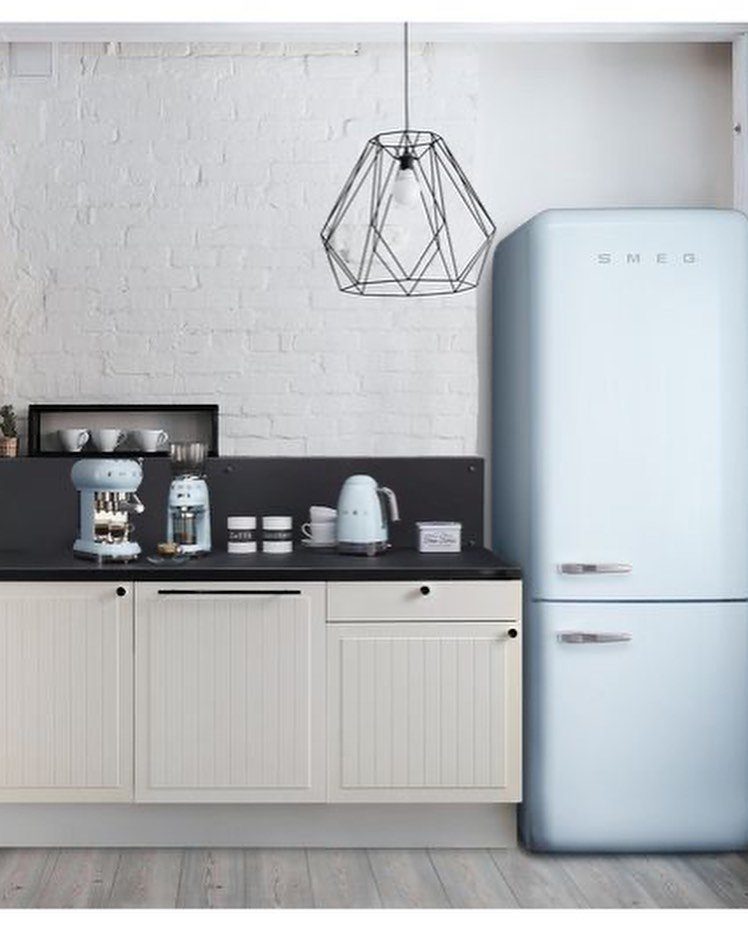
Matching a refrigerator to smaller appliances ties the room together when the cabinets and walls stay neutral.
I place the espresso machine and kettle on the counter nearest the fridge so the blue sits in one zone. The coordination works in a small kitchen where a single color can anchor the whole room without overwhelming it.
Light blue next to white cabinetry needs enough natural light to keep the palette from feeling cold.
Blue Kitchen Color Planning
Room size and light matter before you pick a shade. Light blues open up a small kitchen or one that faces north, because the color reflects what little light comes in.
Dark blues work when the room is large or gets strong sun, where the depth adds weight without making the space feel closed.
I measure the kitchen before I commit to a blue appliance. A compact galley with dark cabinets can handle a light blue toaster or kettle, but a navy range in the same space will overpower the room.
In a larger kitchen with white walls and good ceiling height, a dark blue refrigerator or range becomes the anchor.
Blue reads calmer than red or yellow, which suits a kitchen where you spend time cooking or eating. The color holds steady across seasons, unlike greens or warm tones that shift with changing light.
When comparing blue small appliances, look beyond color to the details that affect everyday use. Measure the space between cabinets and the edge of the counter, allowing room to open lids, remove baskets or pour ingredients safely.
Frequently Asked Questions
What is the most popular color for kitchen appliances?
Stainless steel and white remain the most common finishes in new kitchens, but colored appliances in blue, black, and retro pastels are growing steadily as homeowners move away from purely neutral setups.
Who makes blue appliances?
Several brands offer blue appliances across different price points, including Big Chill and Elmira Stove Works for retro-style refrigerators and ranges, and brands like Smeg, KitchenAid, and Cuisinart for smaller countertop items like toasters, kettles, and stand mixers.
Professional-style ranges in custom blue finishes are available from manufacturers that offer color matching programs, though these typically require longer lead times and higher budgets.
What is the best blue color for a kitchen?
Sky blue works best in small or dim kitchens because it lifts the space without the weight of darker shades, while navy suits larger rooms or a more dramatic look.
Why is blue a good color for kitchens?
Blue adds personality to a kitchen without the commitment of repainting cabinets or replacing tile, and it pairs easily with white, wood, and neutral finishes that most kitchens already have.
You can go pale and breezy in a narrow galley or rich and saturated in a room with high ceilings, and the color holds up either way.
What is the best shade of blue for kitchens?
Sky blue suits small kitchens or rooms with limited natural light because the color lifts the space, while dark blue anchors larger appliances and works well in kitchens with ample counter space.
Pastel turquoise fits coastal or beachy finishes, and light blue with a warm cast balances brightness with enough weight to avoid looking too precious in everyday kitchens.