
Cups and mugs range from stackable ceramic that hides in a cabinet to sculptural pieces that sit out on display, and the right choice depends on whether you need a set that matches or a collection that grows piece by piece without forcing coordination.
Ribbed glass improves grip when condensation builds, speckled stoneware hides tea stains better than plain glaze, and wooden mugs need hand washing and regular oiling or they dry out and crack.
If you want something that works daily without looking generic, look for details like raised ribs, printed illustrations sealed under glaze, or bubble-shaped saucers that add weight without committing to loud color.
1. Assorted Ceramic Mugs
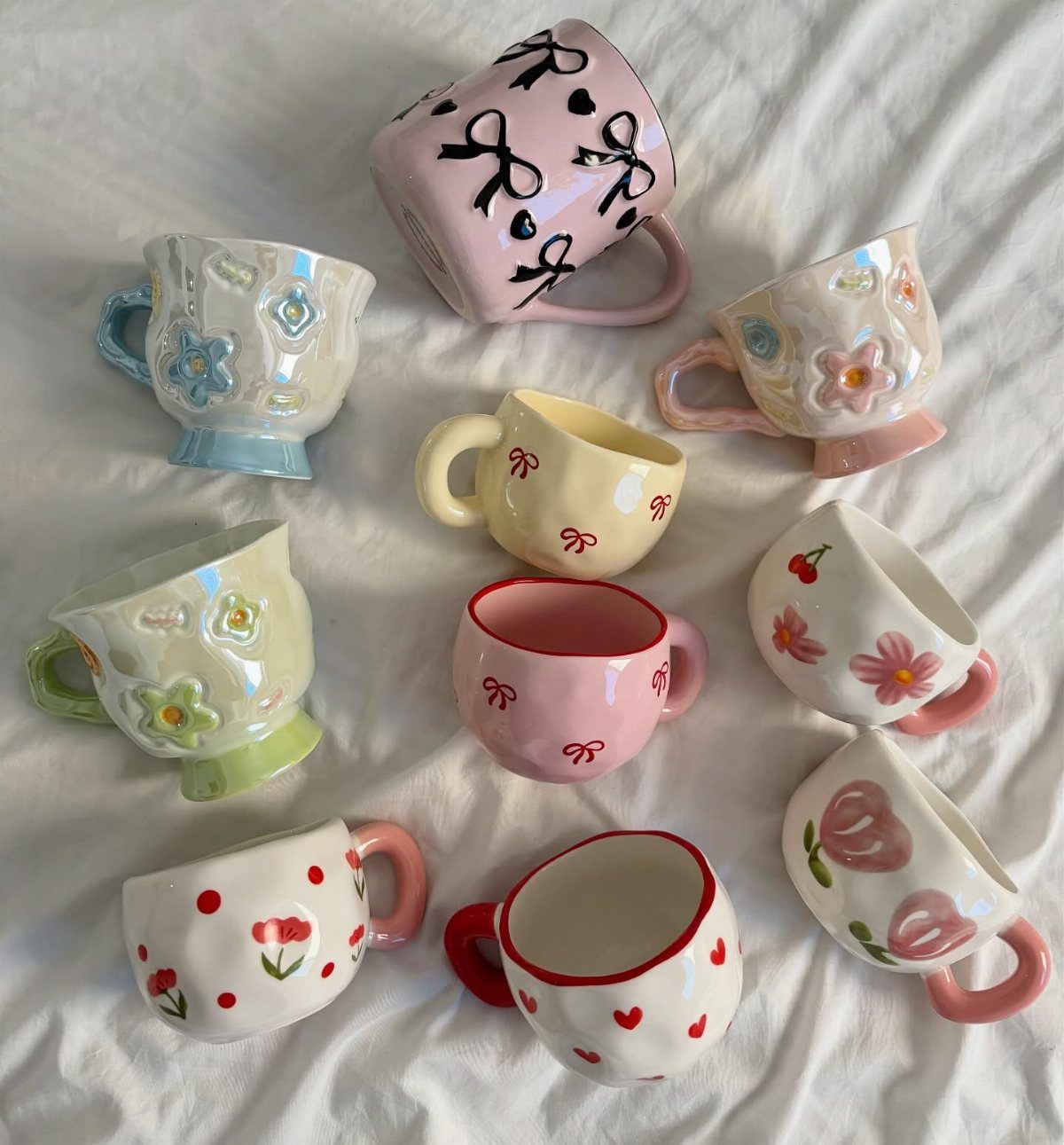
Ceramic mugs in mixed styles suit anyone who prefers variety over matching.
Different shapes, colors, and patterns sit together without looking deliberate, which keeps a cupboard or shelf from feeling stiff. A collection that grows piece by piece instead of matching sets bought at once feels more personal and less staged.
If you want cohesion without uniformity, keep the palette controlled and let the shapes differ. Open shelving shows off the range; inside a cabinet, the practical win is that replacements never need to match exactly.
2. Glass Mugs
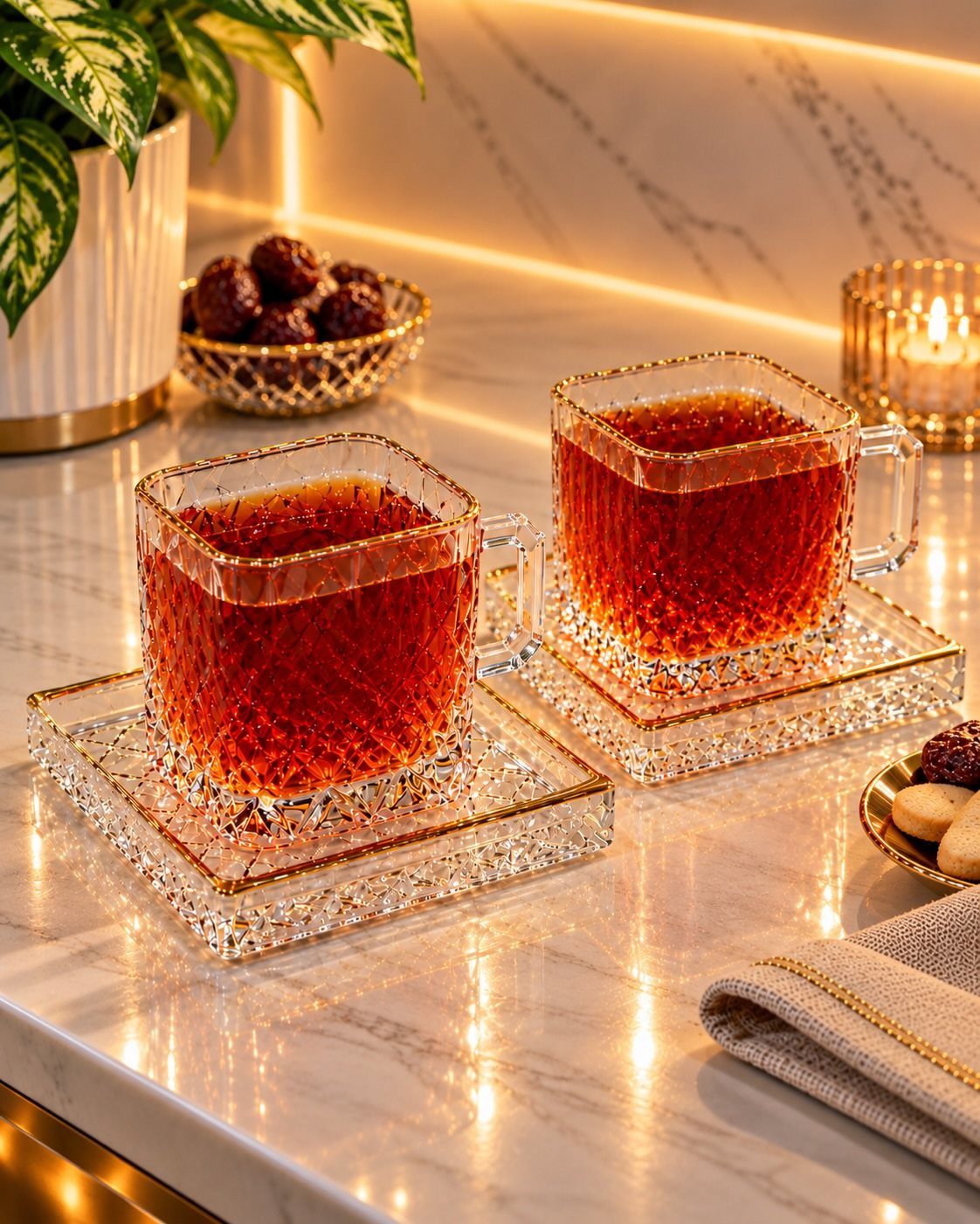
Glass mugs show the color of tea or coffee, which matters if presentation counts or you like watching a drink steep.
The material stays neutral and suits minimalist kitchens better than busy ones. Textured or faceted glass adds grip and visual weight without pattern.
I reach for glass when the mug needs to work with any table setting, since it doesn’t carry its own style forward. Borosilicate glass handles temperature swings, but standard glass chips more easily than ceramic.
3. Animal Mugs
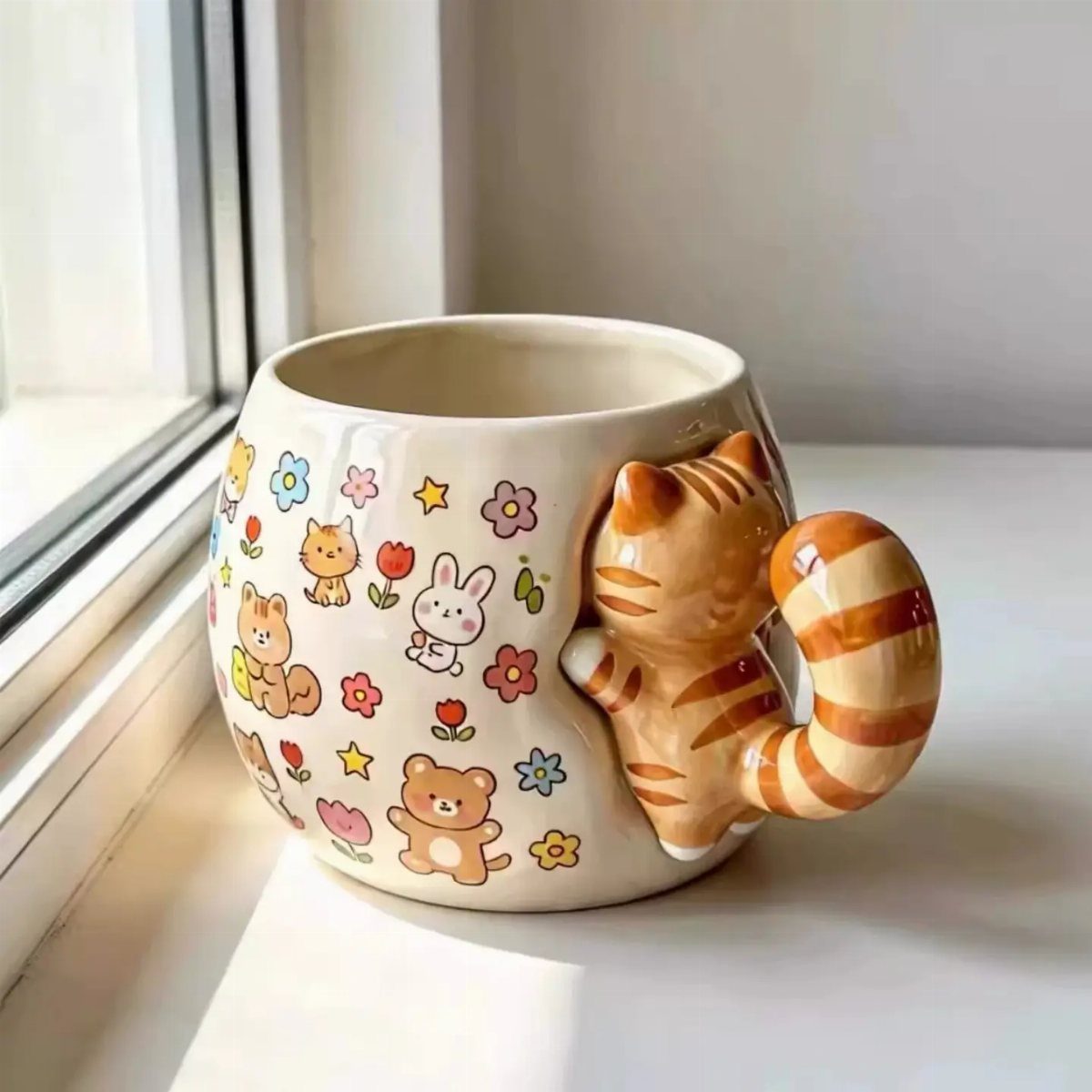
Animal details, whether printed, sculpted, or shaped into the handle, turn a plain mug into something giftable or collectible. I recommend animal mugs for anyone building a themed kitchen or buying for someone with a clear favorite.
The appeal is narrow but strong. If you plan to use them daily rather than leave them on display, check that the handle sits comfortably; sculptural details sometimes compromise grip or balance in the hand.
4. Floral Mugs
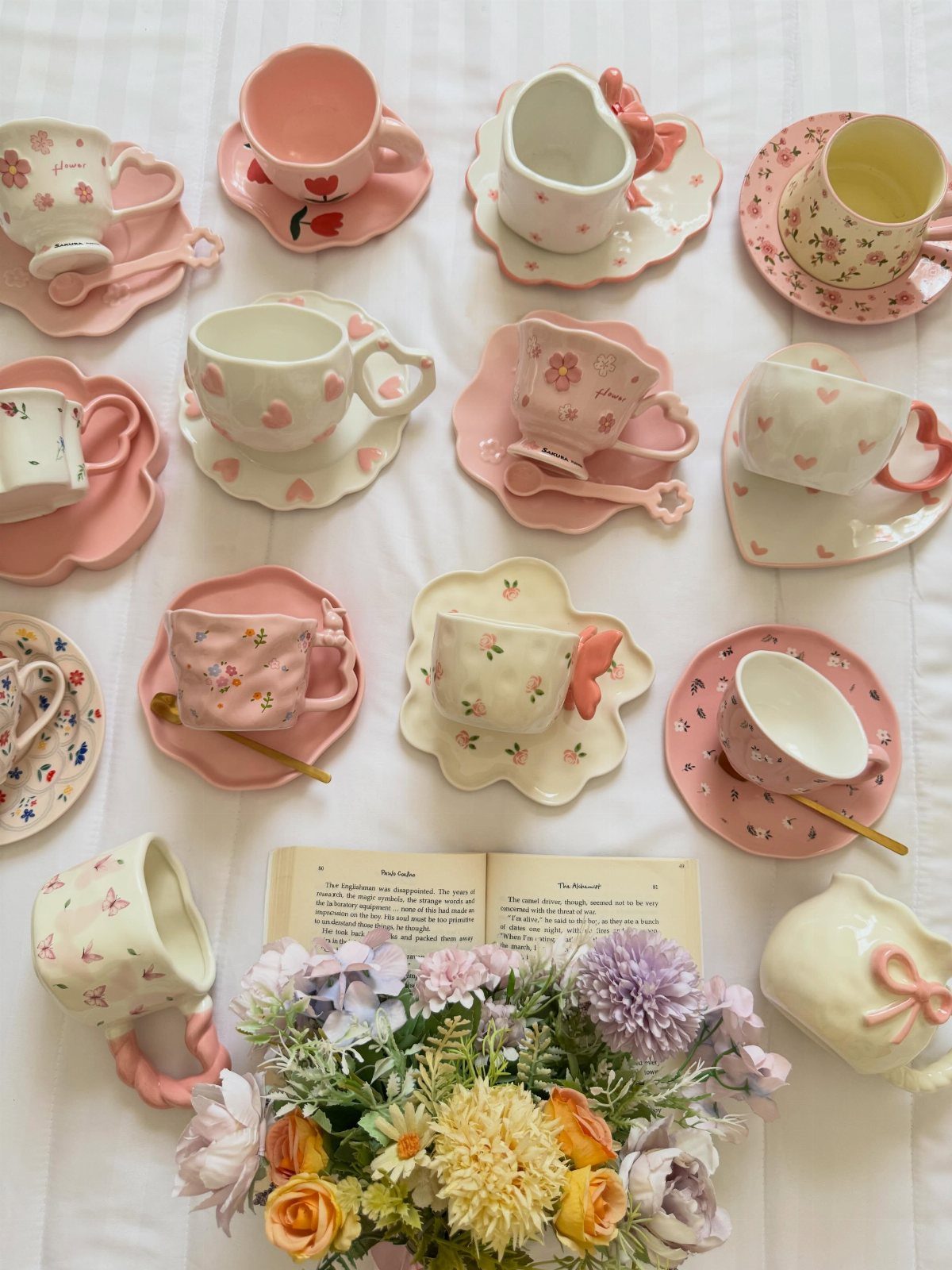
Floral patterns bring color and softness without requiring bold shapes or finishes. Small, repeated flowers work in traditional and cottage-style kitchens, while larger botanical prints lean modern.
I prefer hand-painted or transfer-printed florals over decals, which wear off faster with regular washing. Floral mugs pair well with plain tableware and look intentional on open shelves.
If you’re mixing patterns, keep the background color consistent across pieces. Delicate florals suit tea service more than heavy coffee mugs; scale the pattern to the size of the cup.
5. Assorted Colored Mugs
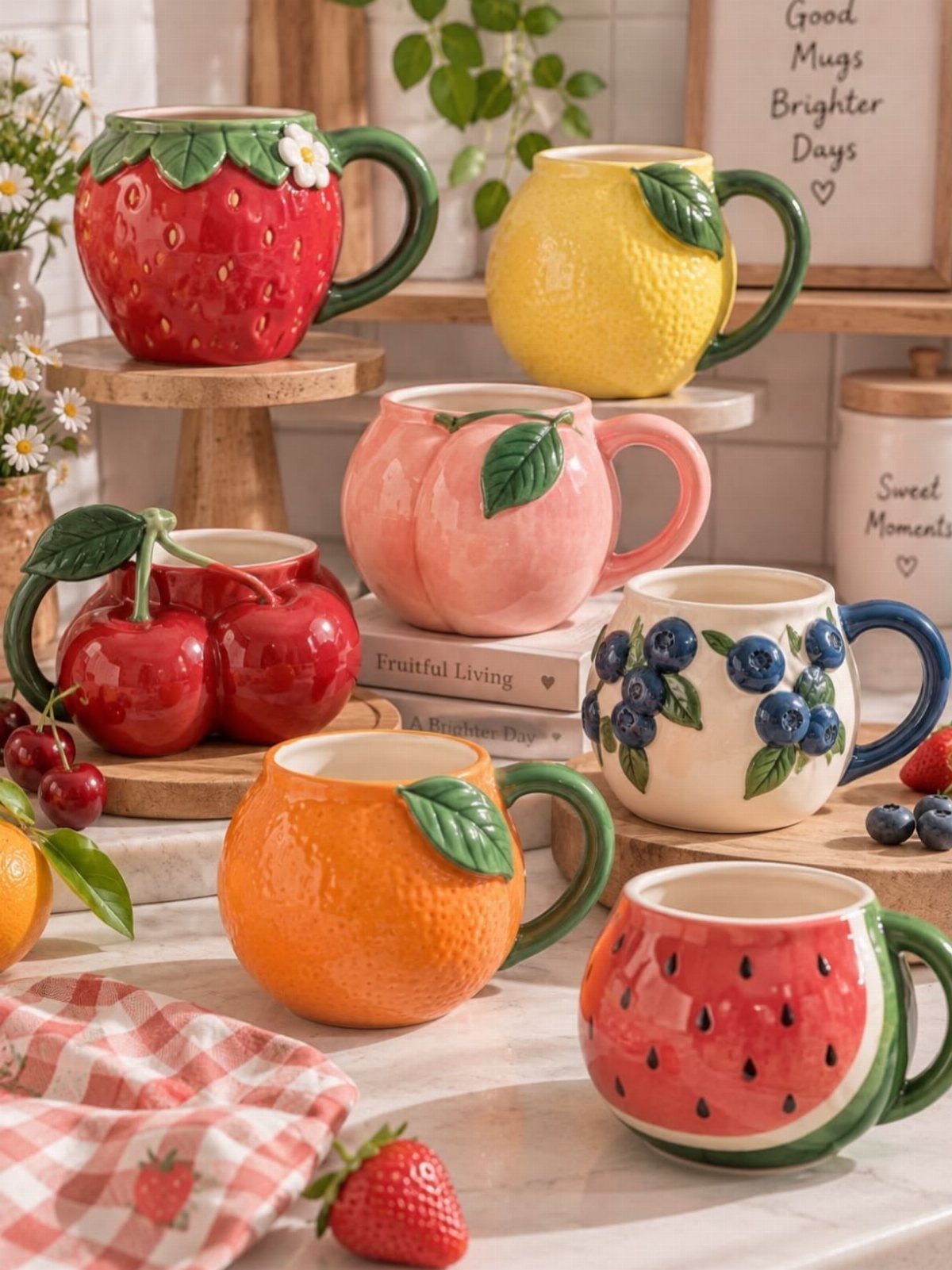
A set of mugs in different colors solves the problem of telling cups apart when several people drink from similar styles.
Fruit shapes or color blocking make each one distinct, which cuts down on confusion and mid-use swaps. This suits families or shared kitchens where function comes first.
Bright colors work in playful or retro spaces; muted tones suit calmer kitchens. The range can grow over time without forcing strict coordination, as long as the base style or size stays consistent.
6. Black Metal Hanging Rail with Mugs
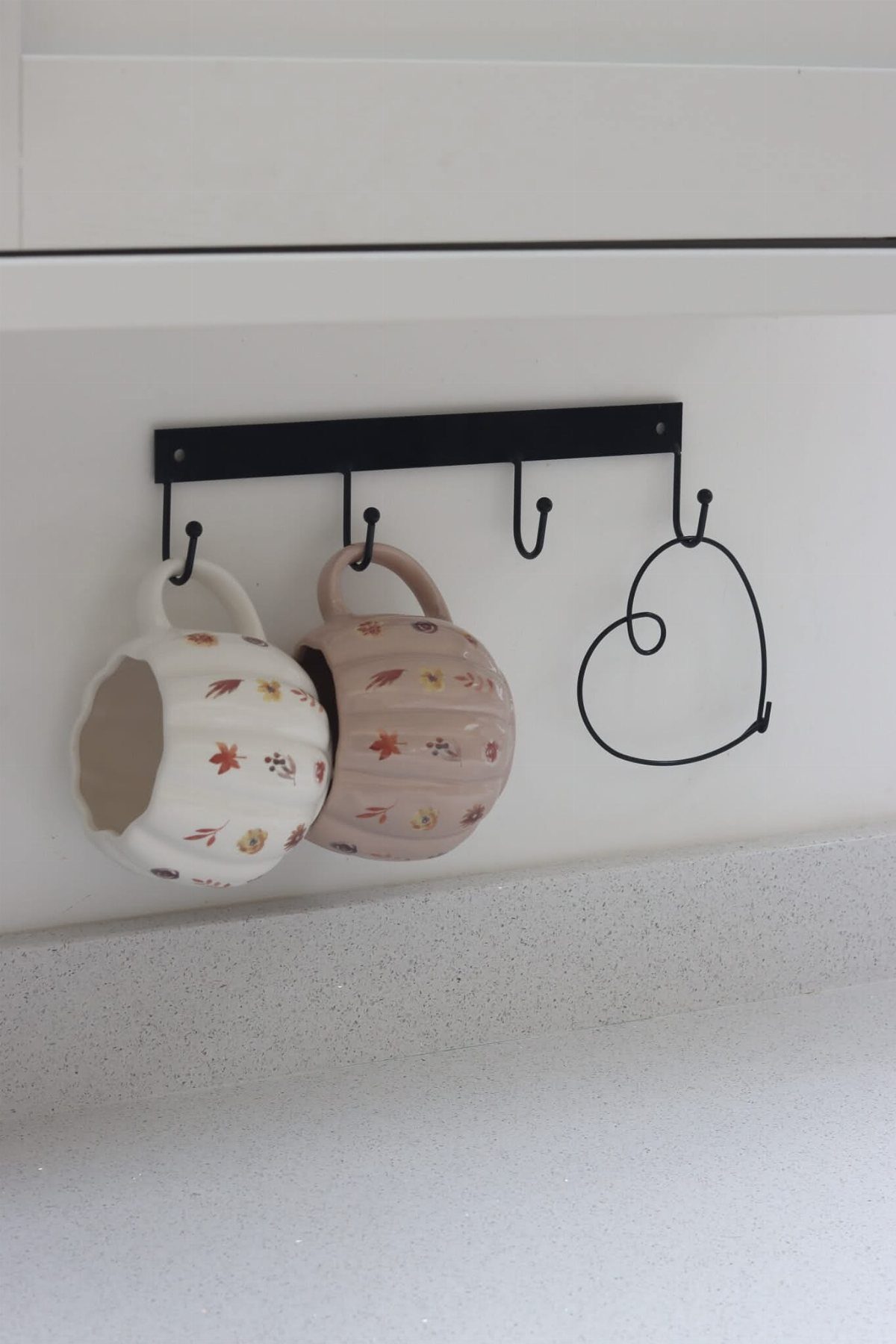
Mounting a rail with hooks below a shelf or inside a cabinet keeps mugs off the counter and within reach. The setup works especially well in small kitchens where drawer and shelf space run tight.
I install these below the shelf edge with enough clearance for most mug heights without wasting vertical room. Black metal reads clean and industrial; brass or wood brings warmth.
Space the hooks so handles don’t overlap. The weight limit matters: check that the rail mounts into studs or solid backing if you’re hanging a full set of ceramic mugs.
7. Stacked Mugs
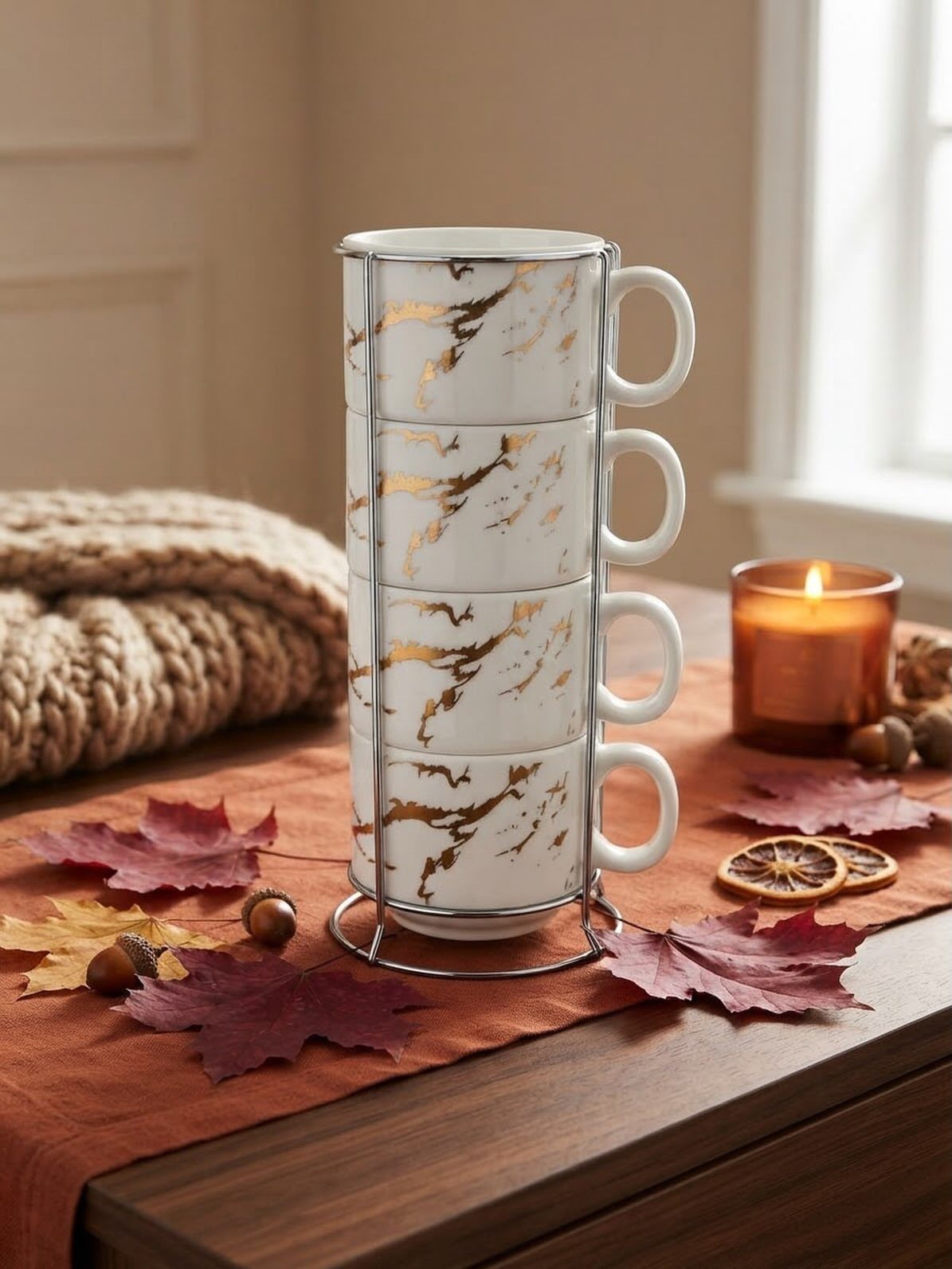
A stackable holder or metal rack keeps mugs vertical, which saves shelf depth and makes the set easier to see at a glance.
The rack holds mugs in a vertical line, and how many fit depends on their height. Stacked storage needs mugs that match in size, or uneven stacking tips or binds.
If the counter is tight, this setup keeps daily mugs accessible without opening a cabinet. The rack can sit on the counter or inside a cupboard; just measure the height from base to top handle before you buy.
8. Bamboo Lid Cup
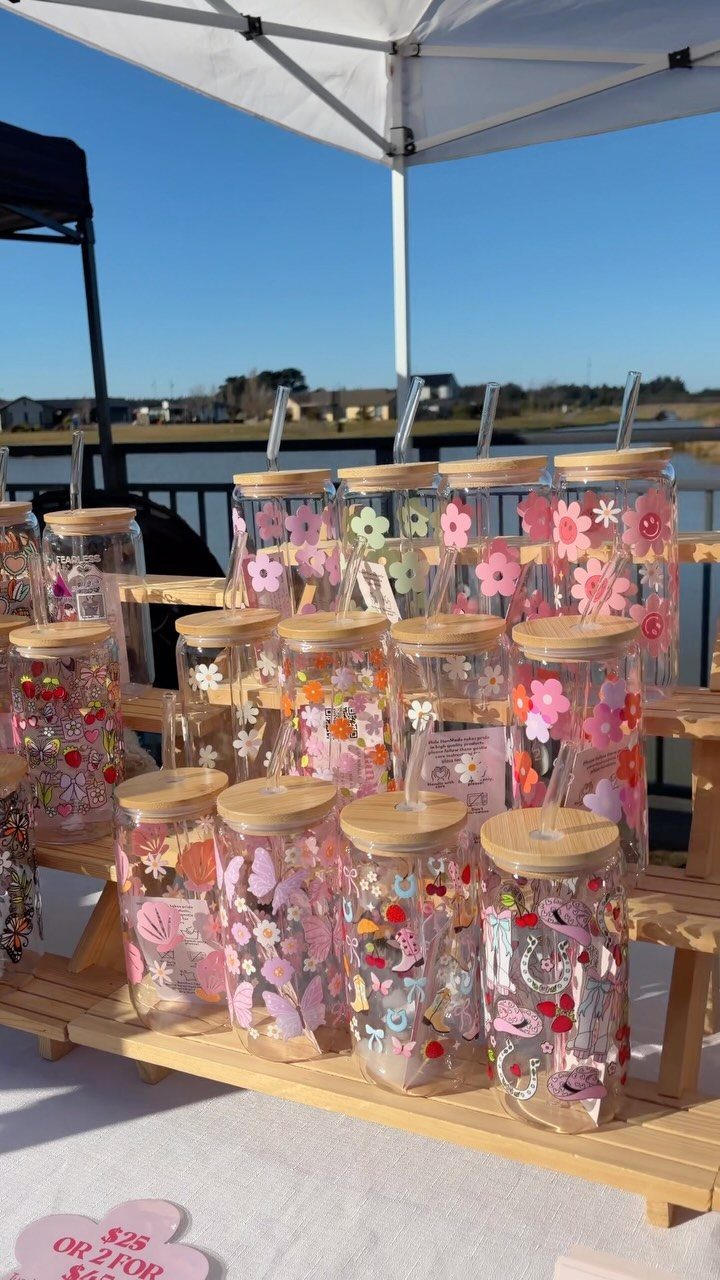
A reusable glass cup with a bamboo lid and built-in straw slot suits iced drinks and works well for anyone cutting single-use plastic.
The bamboo lid adds warmth and texture that plain glass lacks. Stickers or decals let you personalize each cup, which matters in shared households where telling drinks apart saves time.
Bamboo holds up better than plastic lids but needs hand washing to prevent cracking. If you like the look of a seasonal theme, peel-and-stick decals swap out easily without committing the cup to one style.
9. Bubble Saucer Mugs
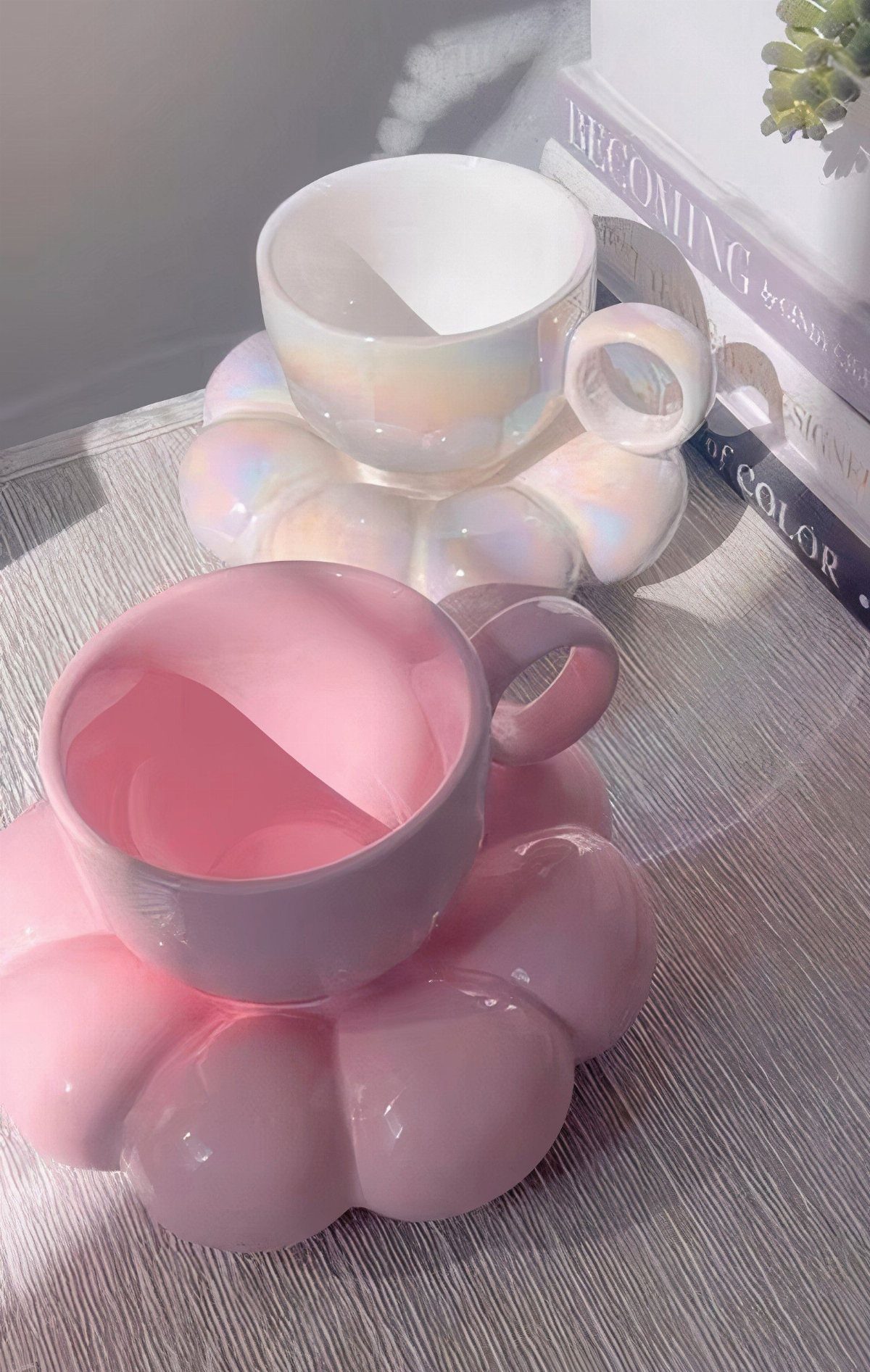
Sculptural saucers shaped like stacked bubbles or organic forms lift a plain mug into something more decorative. The chunky base adds visual weight and makes the pairing feel deliberate, not matched from a boxed set.
Bubble saucers work especially well with iridescent or pastel glazes, which pick up light and sit comfortably next to soft or playful interiors. Thick saucers take up more cabinet height than flat ones, and they don’t always stack neatly.
10. Mugs with Faces
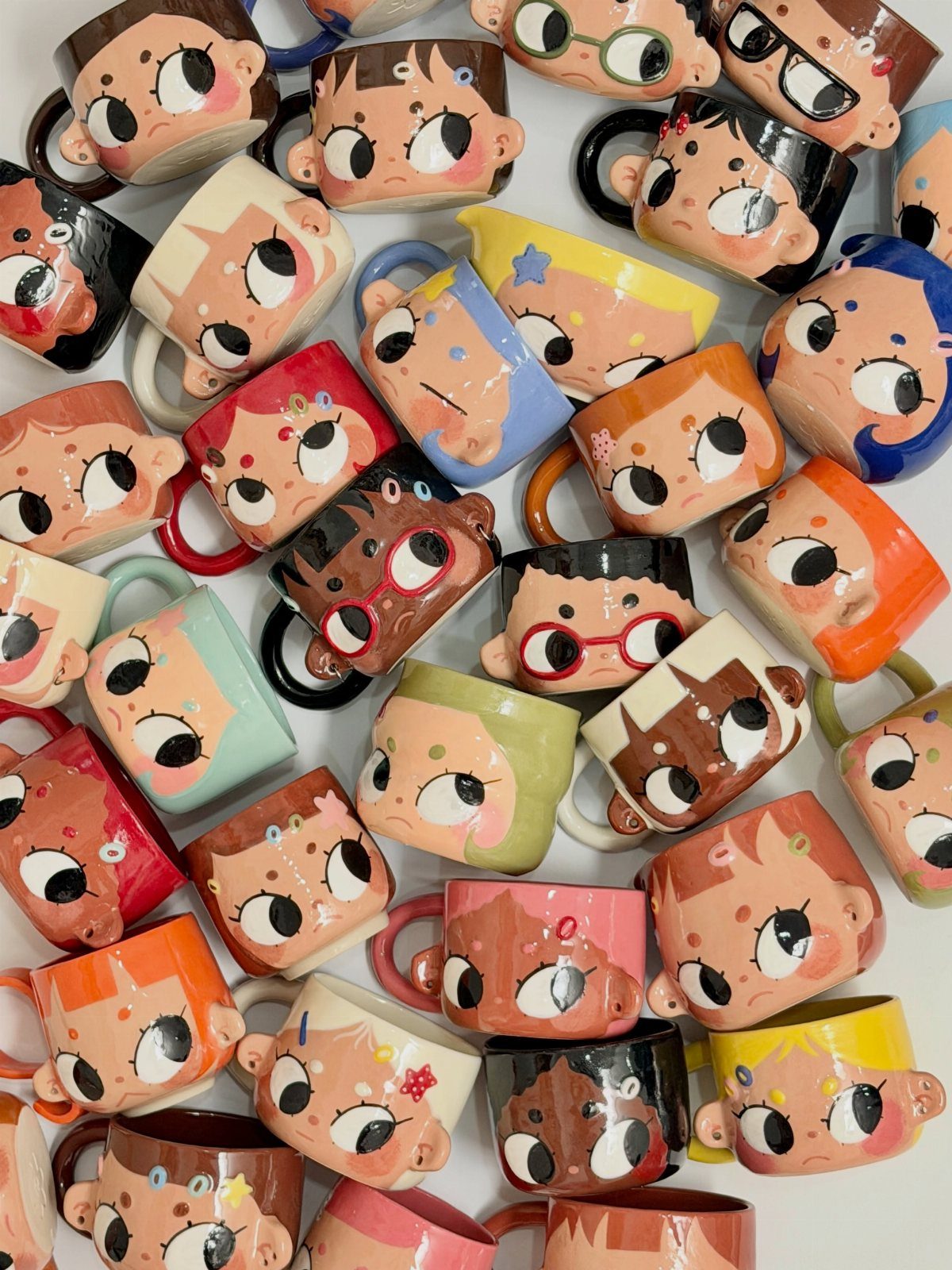
Ceramic mugs with painted or printed cartoon faces turn everyday coffee into something visually louder and more collectible. Each face reads as a character, which suits anyone drawn to quirky kitchen items or gift buyers looking for something memorable.
A collection of face mugs displays well on open shelves but can feel busy if your kitchen leans minimal. The style skews playful, so it fits homes where personality outweighs restraint.
11. Toolbox Print Mug

A toolbox print that looks three-dimensional gives the mug a novelty appeal without shaping the ceramic itself.
The effect comes from careful shading and detail, which reads as realistic from a distance. This suits gift-giving for anyone in trades, DIY work, or anyone who appreciates functional humor in their kitchen.
The design stays flat, so the mug washes and stacks like any other. Novelty prints hold up longer when the ink sits under a clear glaze rather than on top of it.
12. Matching Mug Set of Four
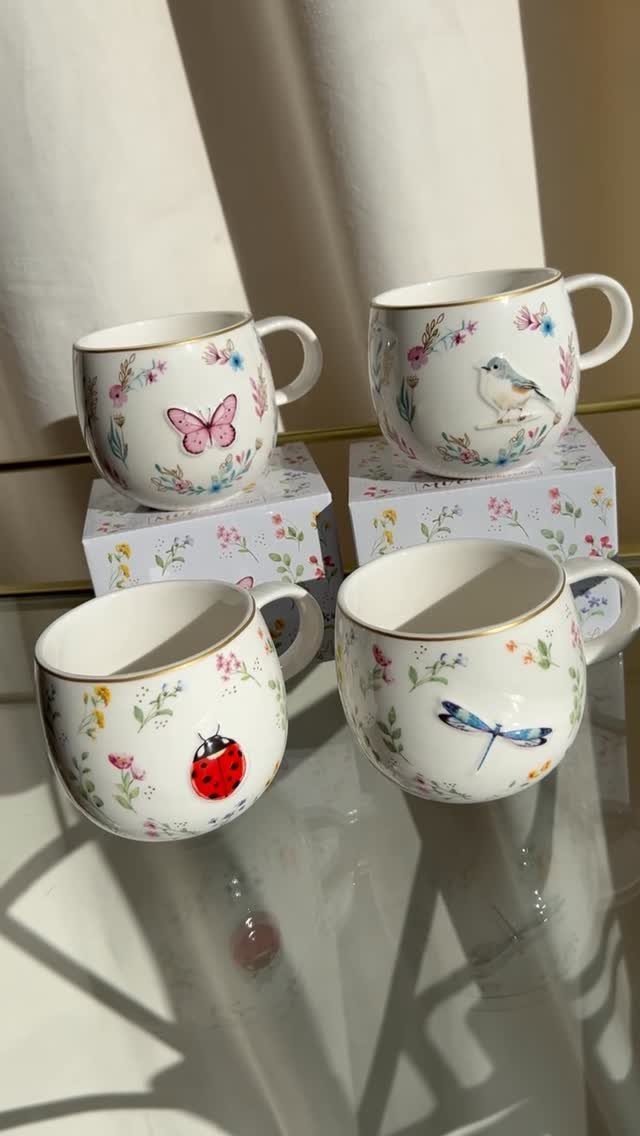
Buying 4 mugs together guarantees they match in size, weight, and pattern, which suits anyone setting up a first kitchen or replacing a worn set all at once.
Illustrated details like insects or botanicals keep the set from reading plain while staying calm enough for daily use.
Gold trim adds formality and works better for occasional use than high-frequency dishwasher cycles, which wear metallic finishes faster. A boxed set also simplifies gifting, since the presentation is already handled.
13. Speckled Stoneware Mugs
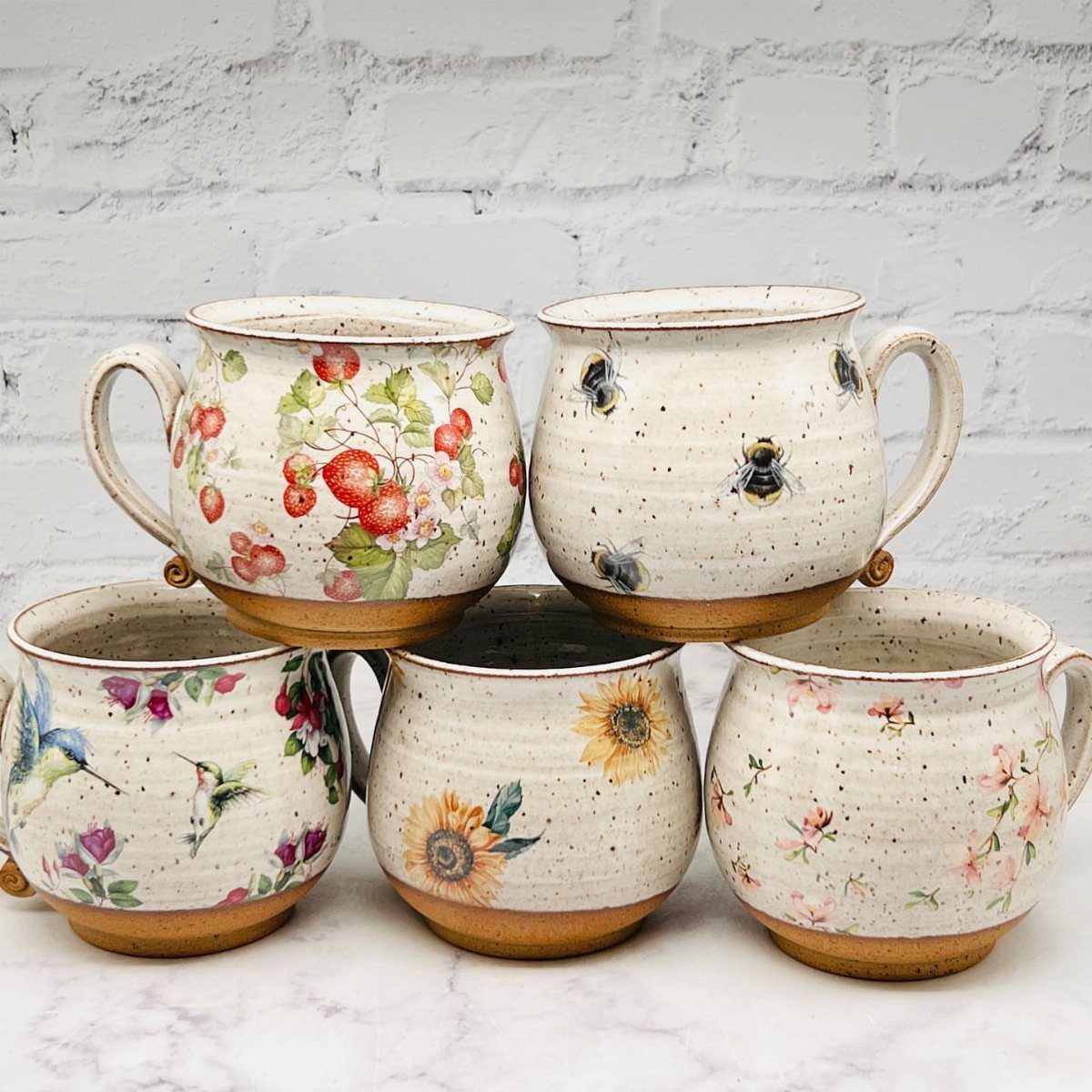
Speckled stoneware holds heat longer than thinner ceramics and weighs enough to feel stable on a crowded desk or bedside table. The speckled finish hides minor stains and gives each piece subtle texture without pattern.
Stoneware is fired at a higher temperature than earthenware, which makes it less likely to chip with daily handling. I prefer it for everyday mugs that need to survive frequent washing and the occasional knock against the sink.
14. Handmade Mugs
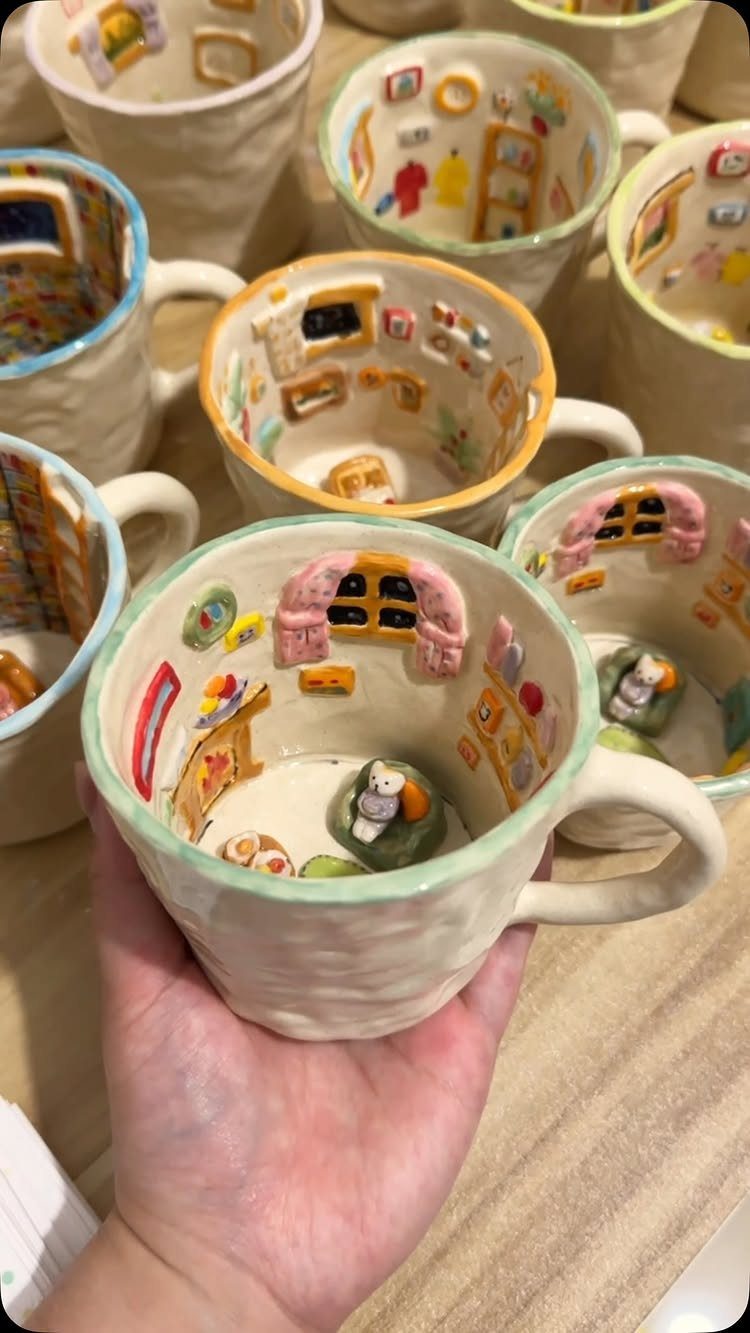
Handmade mugs carry visible thumbprints, uneven glaze, and small variations that mass production removes. A sculpted interior scene turns the inside of the mug into something worth looking at between sips.
The detail matters most to anyone who values craft over uniformity or wants a mug that doubles as a small display piece. Hand-built ceramics usually cost more than factory-made options, and replacements rarely match exactly if one breaks.
15. Ribbed Mugs
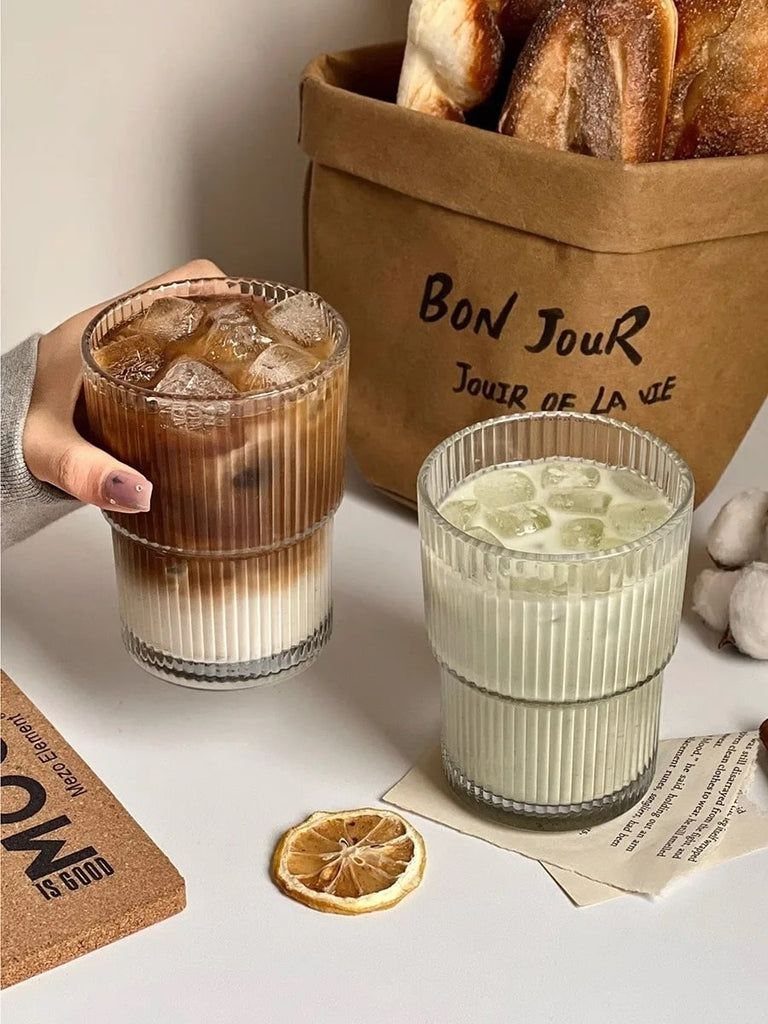
Vertical ridges on glass or ceramic improve grip and catch light in a way smooth surfaces don’t. Ribbed glass works especially well for cold drinks, since condensation collects in the grooves instead of running onto your hand or the table.
The texture also makes a plain mug read as more considered without adding color or pattern. Ribbed mugs stack less neatly than smooth ones, so they take up more cabinet height.
16. Beige Mugs with Spotted Patterns
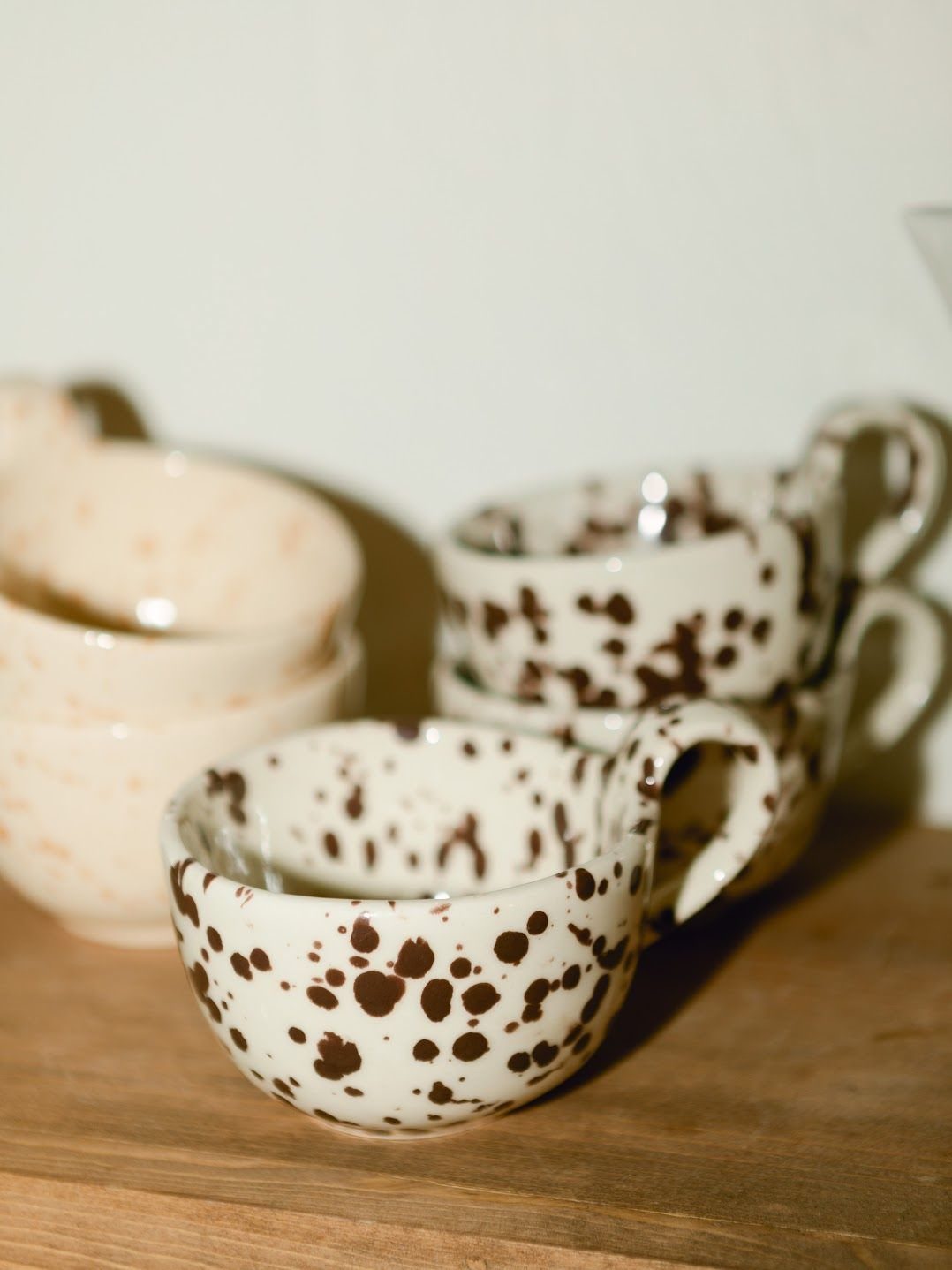
Beige mugs with brown speckles sit comfortably in neutral or earthy kitchens without reading as stark white or heavy black. The spotted glaze feels organic and less formal than solid color, which suits casual daily use.
This finish pairs well with natural wood shelves and other warm-toned ceramics. Spotted patterns also hide tea stains better than plain light glazes, which matters if you drink heavily steeped black tea or coffee.
17. Mushroom Cup
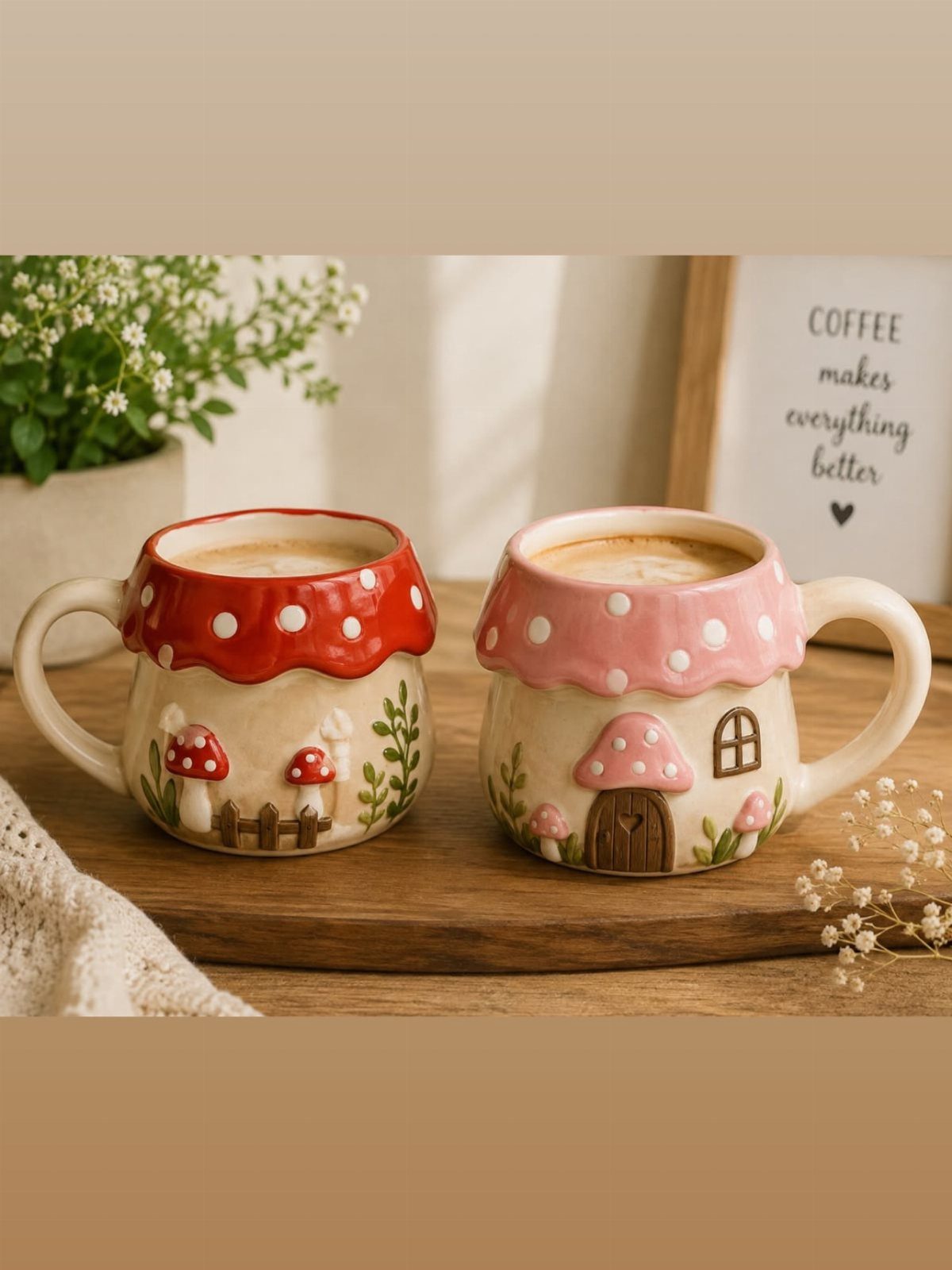
A mushroom-shaped cup with a rounded cap and stem base turns a functional object into something decorative enough to leave out on a shelf. The form suits anyone drawn to cottage or forest themes in their kitchen.
Handmade versions often feature hand-painted details like spots or gills, which vary piece to piece. The wide cap can make the mug tip more easily than a straight-sided cup, so it works better on stable surfaces than crowded trays.
18. Bright-colored Character-shaped Mugs
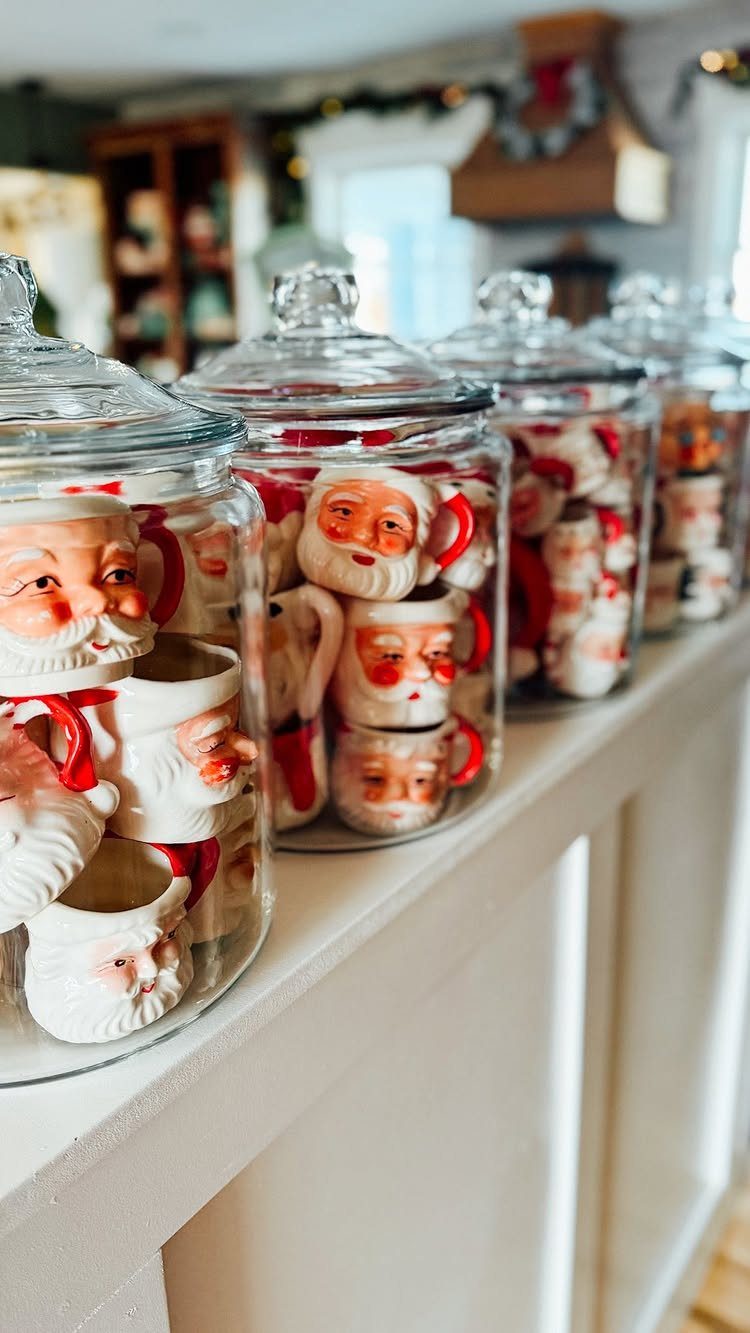
Character-shaped mugs stand out as collectibles or seasonal decor rather than daily-use pieces.
Storing them inside clear glass jars keeps the designs visible while protecting them from dust and accidental chips. This setup works well for anyone who rotates mugs by season or prefers display over constant use.
The jars take up counter or shelf space, so the arrangement suits kitchens with room to dedicate to decor rather than tight storage situations.
19. Assorted Mugs Arranged in a Grid
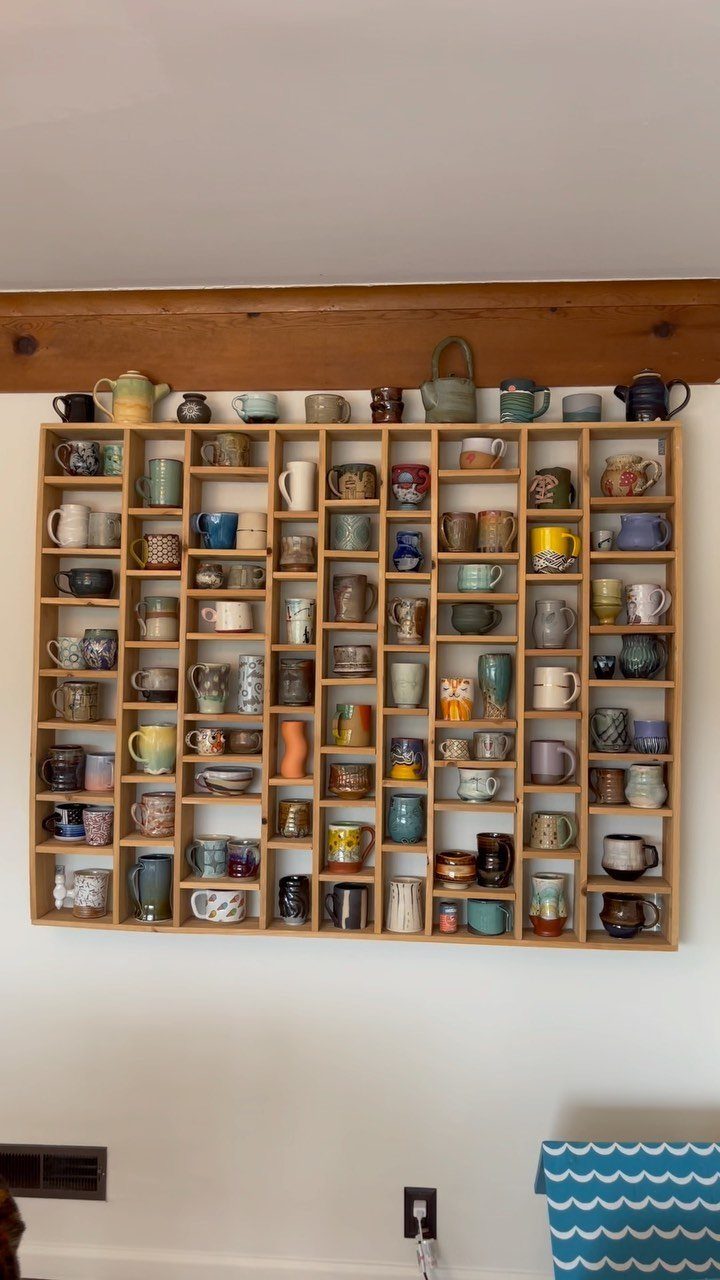
Arranging mugs in a grid turns a functional collection into something worth looking at every day.
The setup works best when the mugs differ in color, pattern, or shape, so each square holds something distinct rather than matching pieces lined up. A wall-mounted grid keeps mugs accessible without taking counter space, which matters in smaller kitchens.
Space the grid so handles clear each compartment without overlapping. If the collection grows or changes, the grid adapts without needing a full rearrange.
20. Cup and Saucer Sets
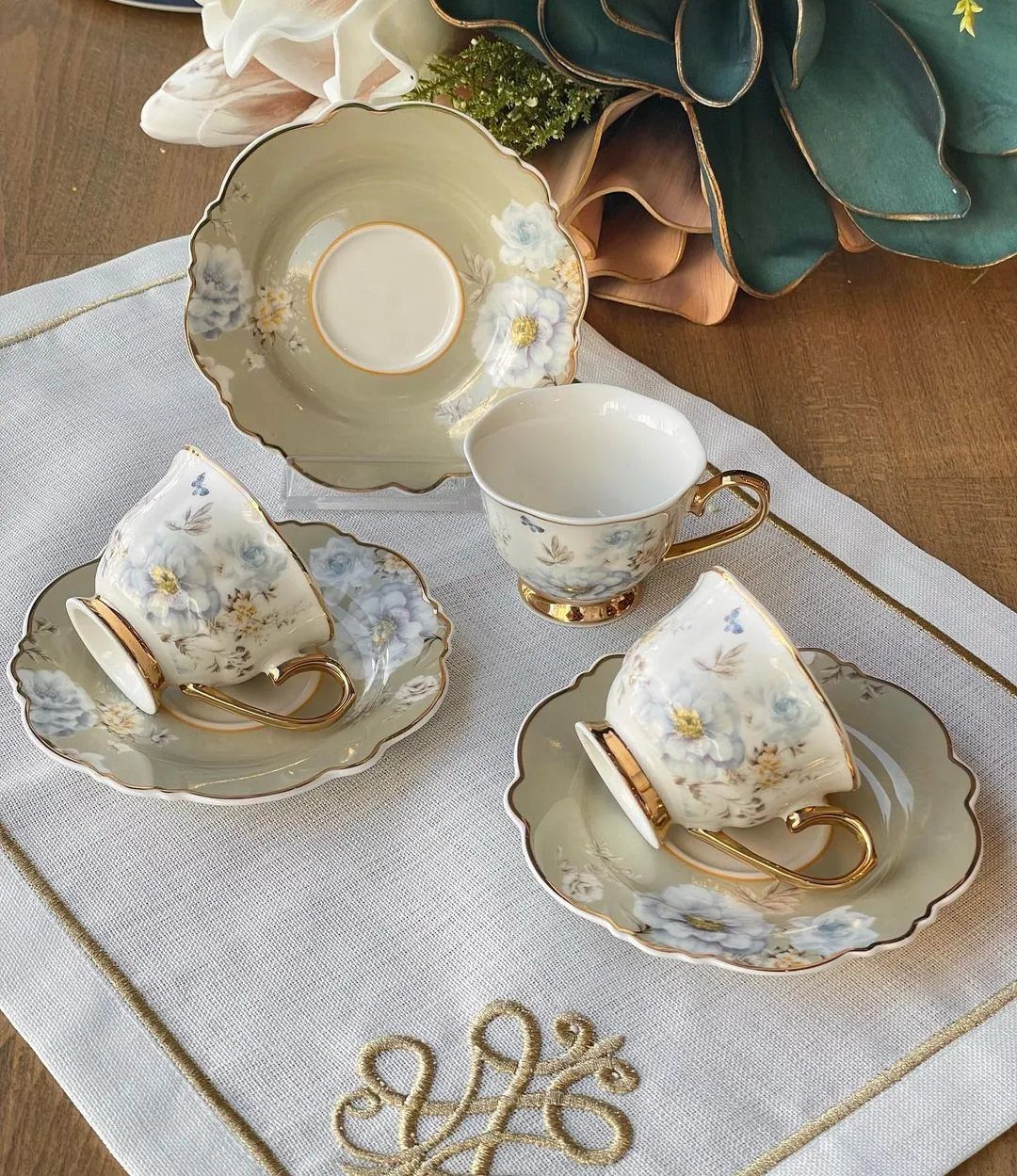
Pairing a cup with a saucer gives tea or coffee a more formal presentation and catches drips that would otherwise reach the table.
Scalloped edges and gold trim suit special occasions or afternoon tea more than quick daily use. Porcelain holds heat well and feels lighter than stoneware, which matters if you’re carrying several at once.
Saucers add storage height, so stacking full sets takes more cabinet space than cups alone. If the dishwasher runs daily, skip metallic details; they fade faster than plain glaze.
21. Wooden Mugs
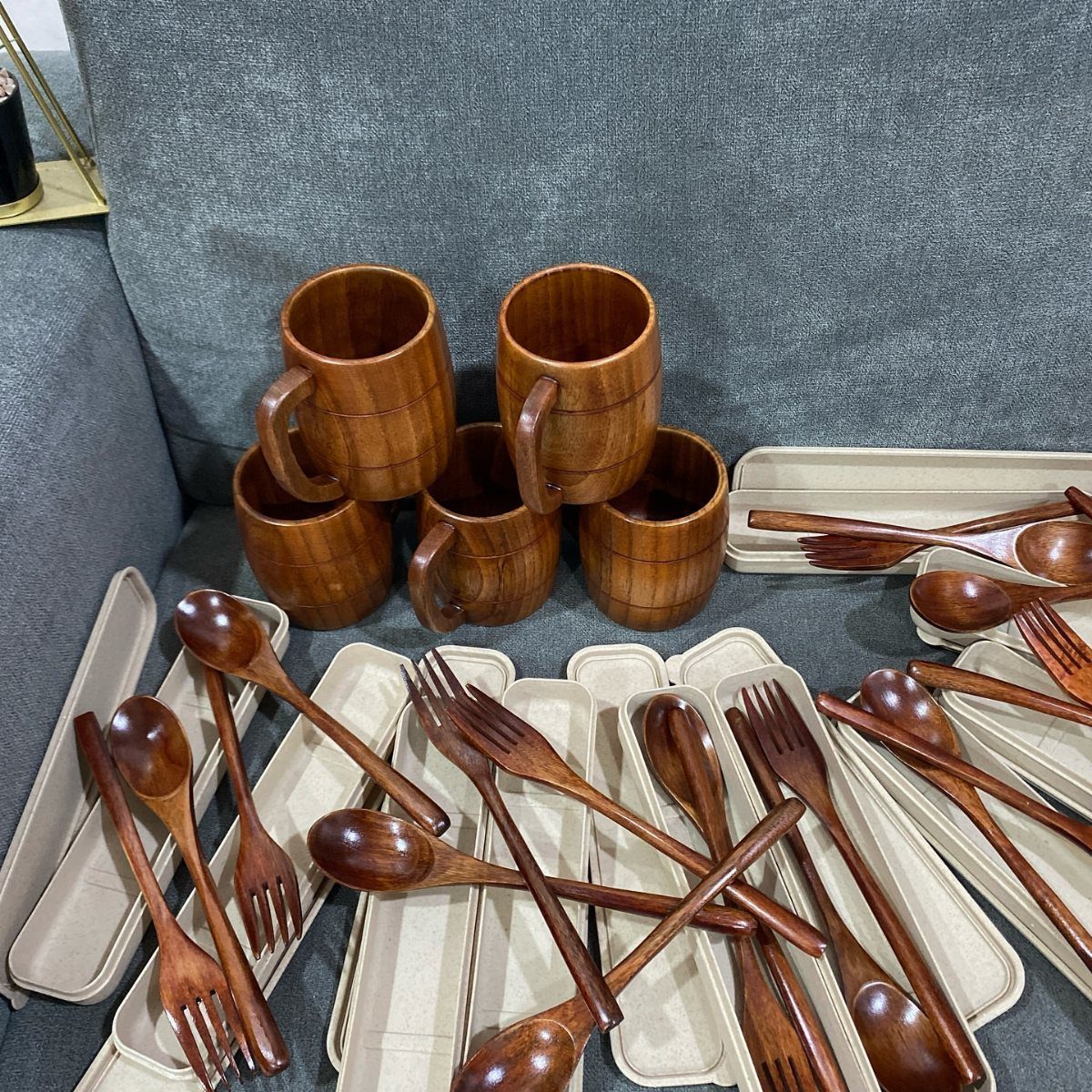
Wooden mugs feel warm in the hand and suit camping, outdoor dining, or anyone avoiding breakable dishes around kids.
Wood feels warm in your hand and doesn’t get as hot to the touch as ceramic, though you’ll need to hand wash it and oil it every few weeks or it dries out and picks up stains.
Pairing wooden mugs with matching cutlery keeps the look cohesive without mixing materials at the table.
Wood shows wear faster than fired clay, so these work better for occasional use or decor than year-round daily coffee. If you like the look but need durability, stoneware with a matte wood-tone glaze holds up longer.
22. Mugs with Sculpted Details
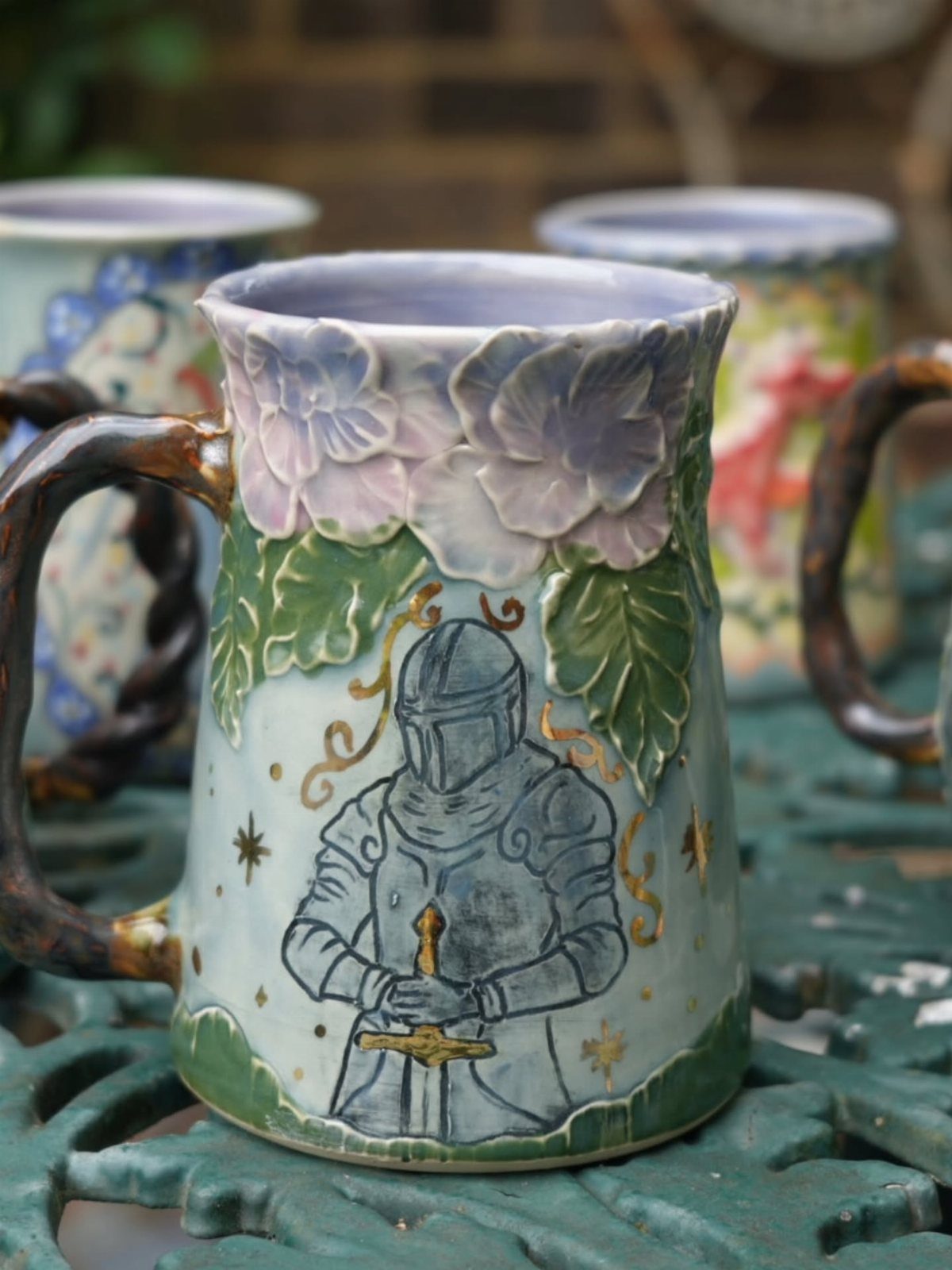
Raised details like sculpted flowers, animals, or figures turn a plain mug into something that reads as handcrafted, even when it’s molded.
The texture adds grip and makes the piece feel more substantial in the hand. Sculptural mugs display well on open shelves but take up more cabinet space because they don’t nest cleanly.
Details that protrude from the rim or sit near the top of the cup can interfere with stacking or catch on dish racks, so store these separately if space allows.
23. Giraffe Mugs

Giraffe patterns or giraffe-shaped details appeal to anyone collecting animal themes or buying a gift for someone with a clear favorite.
Painted spots and solid yellow backgrounds keep the design recognizable without requiring sculpted shapes, which makes the mug easier to stack and wash.
Matching a giraffe mug with a coordinated teapot ties the set together visually and works well for display or occasional use.
When the pattern is glazed in rather than printed on the surface, it lasts through years of washing instead of fading in months.
24. Celestial Mugs
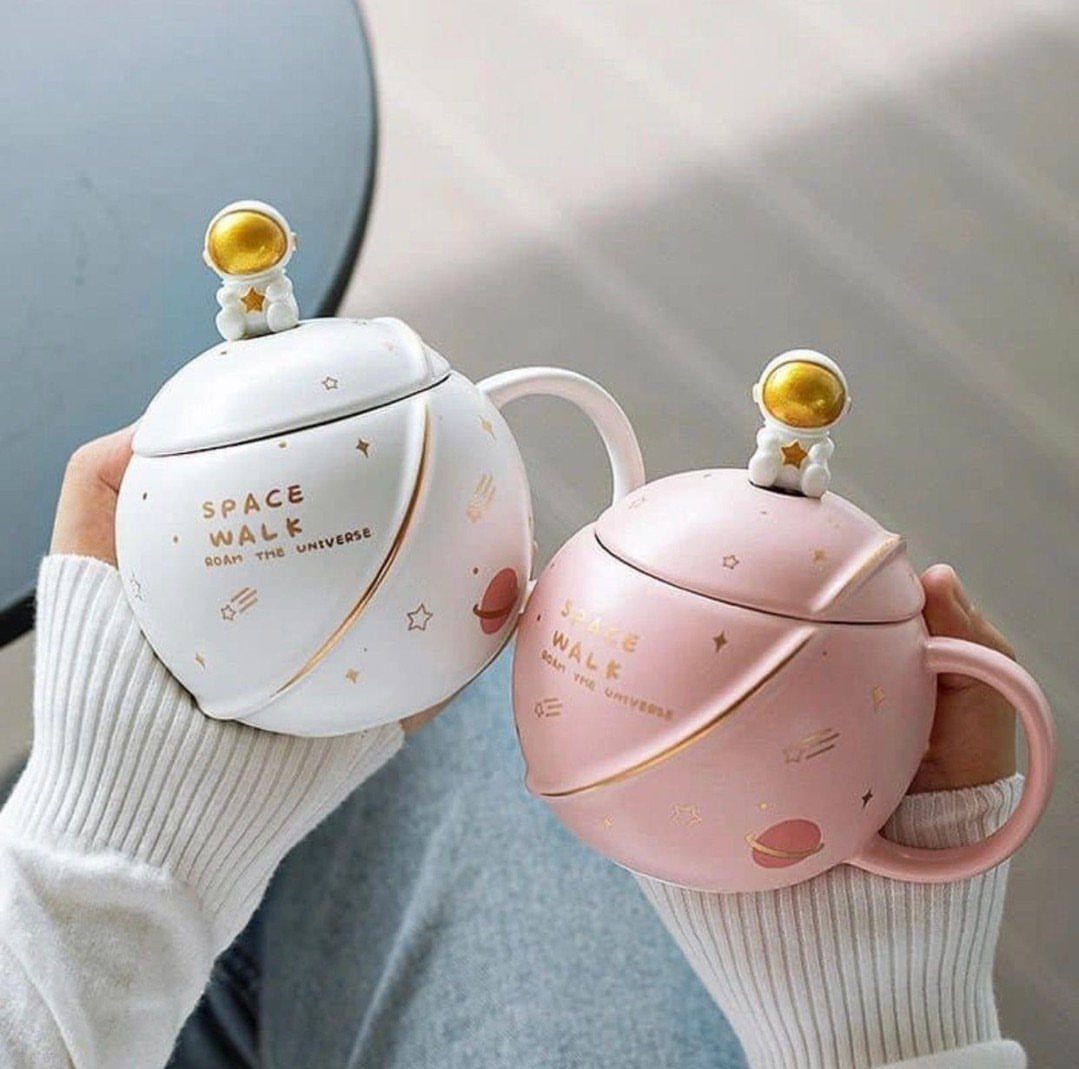
Space and celestial themes add personality without committing to bold color, since most designs stay neutral with white, black, or metallic accents.
Astronaut-topped lids turn a simple mug into something giftable and collectible, though the lid adds height and makes stacking harder.
Spherical or planet-shaped mugs feel distinct in the hand but tip more easily than straight-sided cups, so they suit stable desks or tables better than crowded trays.
Printed text or graphics hold up longer when sealed under glaze; surface prints fade with repeated washing.
25. Decorative Illustration Mugs
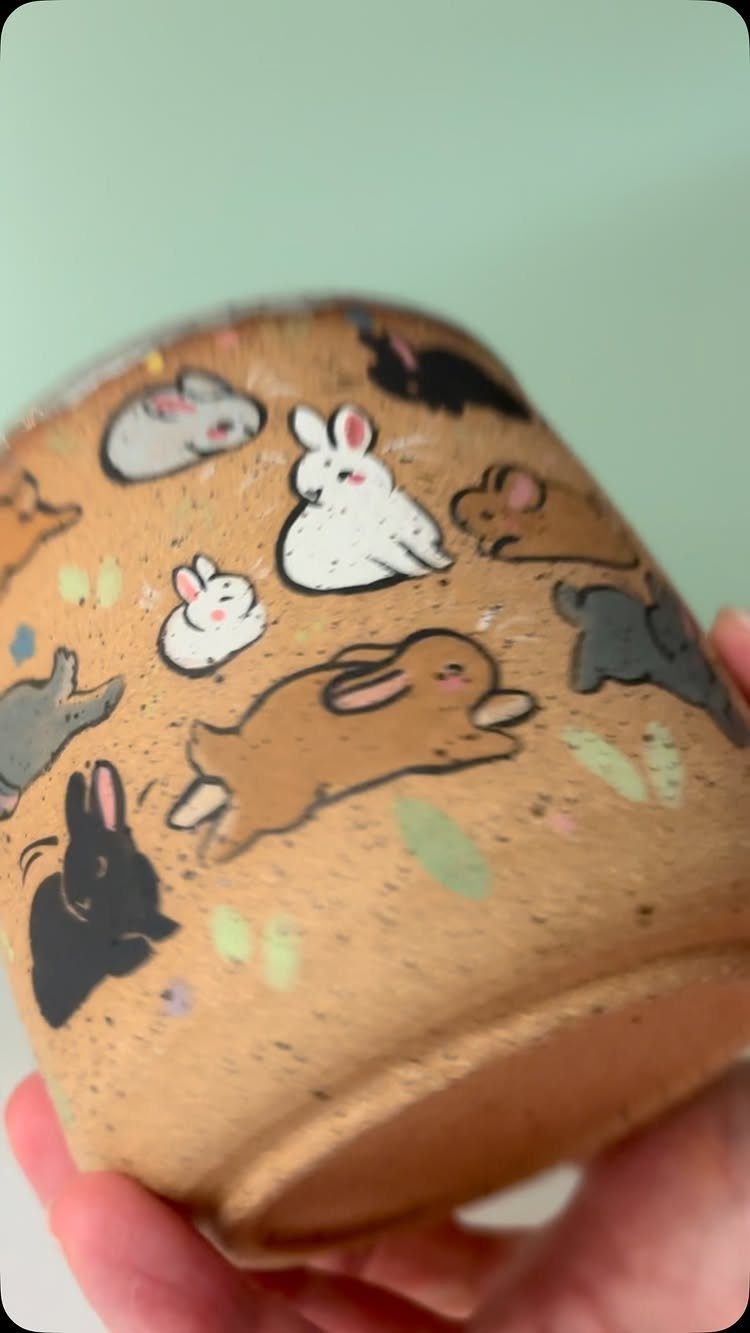
Illustrated patterns with animals or narrative scenes give each mug a small story without needing sculpted details or bold color.
Rabbits, fish, or an octopus attacking a ship keep the design playful but still readable as grown-up, which suits anyone drawn to quirky themes that stop short of cartoon.
The illustrations usually print or paint onto ceramic, so look for designs sealed under glaze if the mug will see daily dishwasher use.
Detailed prints show best against neutral backgrounds like beige, cream, or soft brown, where the figures stay clear without competing with loud glaze color.
26. Travel Mugs
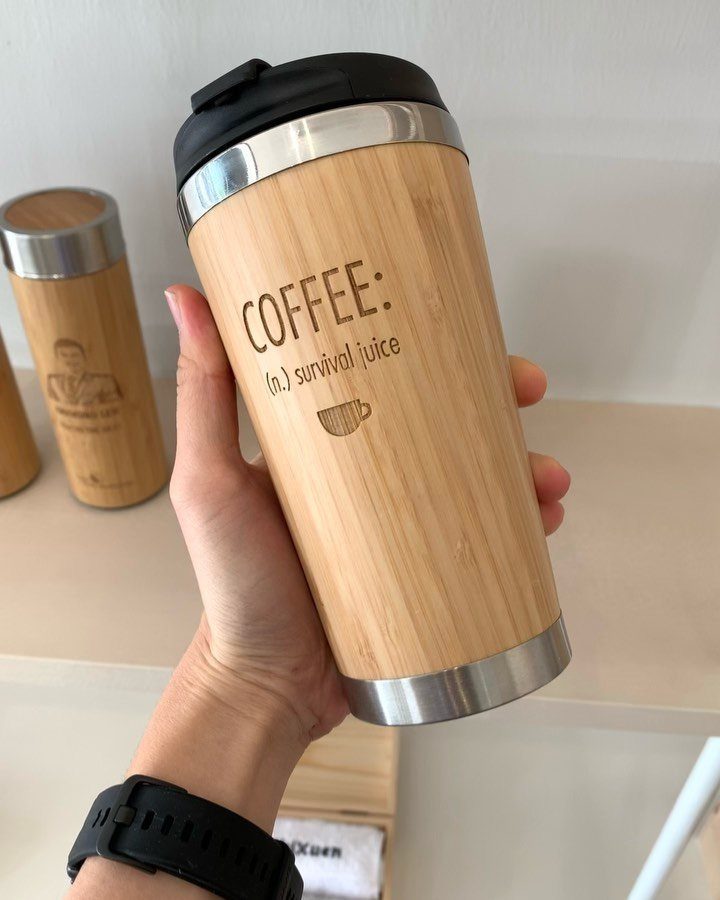
A bamboo-wrapped travel mug adds texture and warmth that plain stainless steel lacks, and the grip stays comfortable in cold weather or when the mug heats up from the inside.
Most versions pair bamboo sleeves with a screw-on lid and a metal or glass liner that holds temperature for several hours. Printed text or graphics personalize the mug, though surface prints wear faster than designs sealed under a protective coating.
Hand wash the bamboo sleeve to prevent cracking, and skip the dishwasher entirely if you want the wrap to last more than a season.
27. Striped Mugs
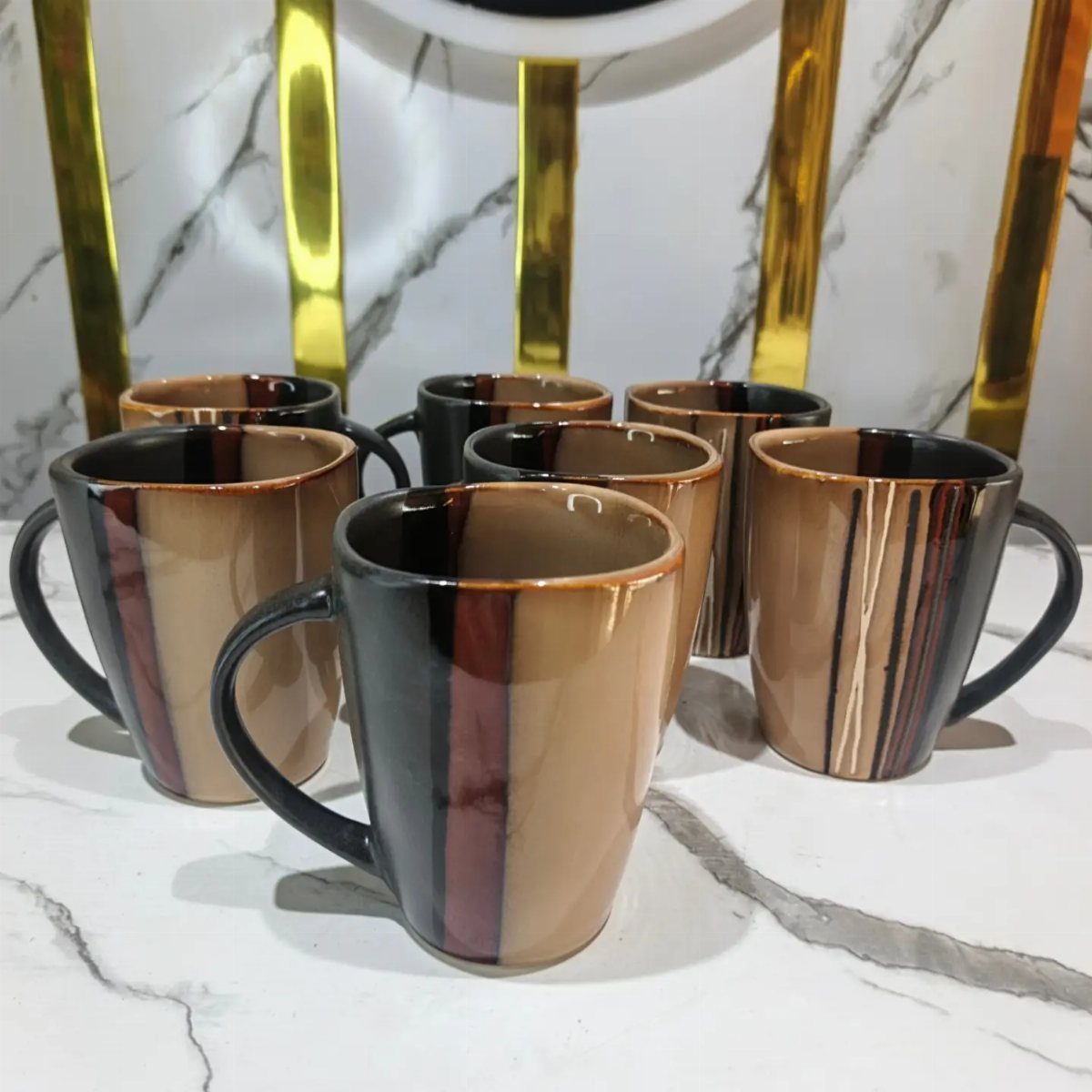
Vertical stripes in brown and black create contrast without pattern that feels busy, and the glossy finish reflects light in a way matte glaze does not.
Stripes work well when you want cohesion across a set without identical color, since each mug reads as part of the group while still distinct.
Glossy surfaces show water spots and fingerprints more than matte, so they need wiping down more often if display matters.
The pairing suits warm or neutral kitchens where black and brown sit comfortably next to wood, brass, or other earth tones.