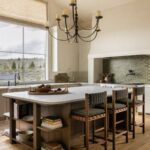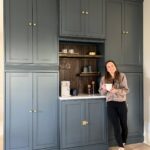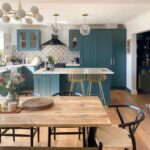

White cabinets range from crisp bright white with high contrast to creamy ivory that softens the look, and the choice depends on your lighting and whether you want the kitchen to feel modern or warm.
Cool whites pair best with gray or blue undertones and suit contemporary spaces, while warm whites lean traditional and work alongside wood or stone.
If the room already runs cool from north-facing windows or marble countertops, a creamy white keeps the space from feeling sterile.
Without contrast from hardware, countertops, or a colored island, an all-white kitchen can feel flat, so most of these ideas add depth through brass pulls, dark lower cabinets, wood accents, or a backsplash with texture.
1. Creamy White Cabinets
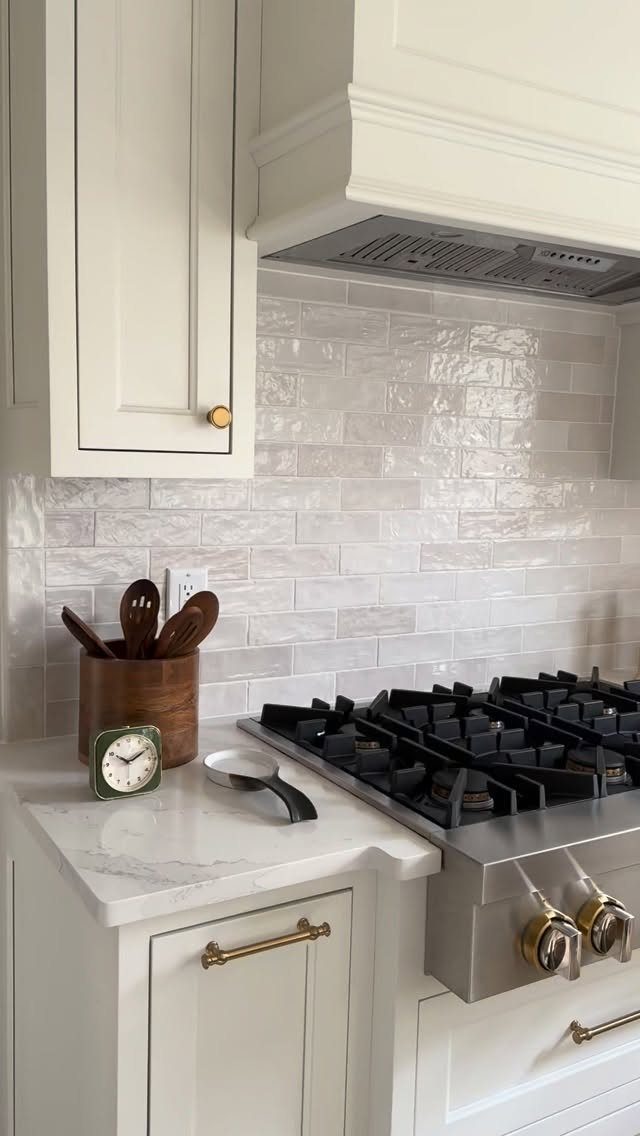
Creamy white sits just warm enough to take the chill off without reading yellow under most lighting. I use it when white feels too stark for the space or when the room already skews cool from flooring or north-facing windows.
A soft white with a cream or ivory base reads truer in kitchens that get heavy evening use, where pure white can look flat under warm bulbs.
If your countertop is marble or another cool-toned stone, this is the cabinet color that keeps the two from fighting.
That softer white gives up some contrast. Creamy cabinets lose some of the crisp edge you get with bright white, so if the walls are already warm, the room can drift beige.
The key is paying attention to how your white interacts with surrounding materials like countertops and flooring. A shade that appears crisp next to marble can suddenly skew gray or sterile, especially against warm oak cabinets or brass hardware.
2. White Cabinets with Wood Accents
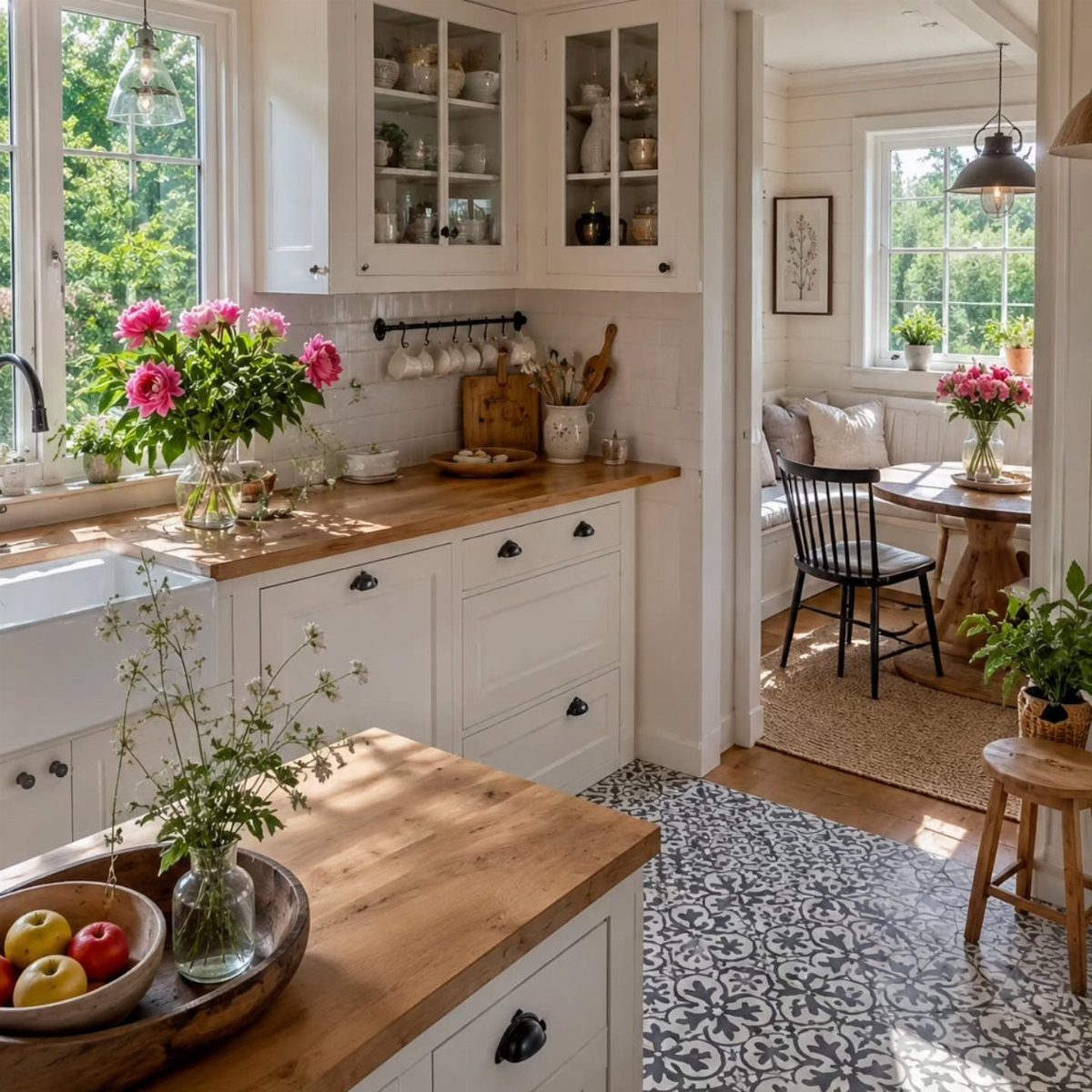
White cabinets paired with wood countertops or floating shelves give you warmth without color. I lean on this setup when the kitchen needs to feel lived-in but the client doesn’t want to commit to painted lower cabinets.
Wood works best as the secondary material.
If you flip it and use mostly wood with white accents, the kitchen reads rustic instead of clean. A wood island or wood countertops on the perimeter keep the room grounded without covering every surface.
The wood finish matters. Light oak or maple stays neutral; walnut or darker stains pull the room into a different style and need more deliberate choices elsewhere.
3. White Upper and Dark Lower Cabinets
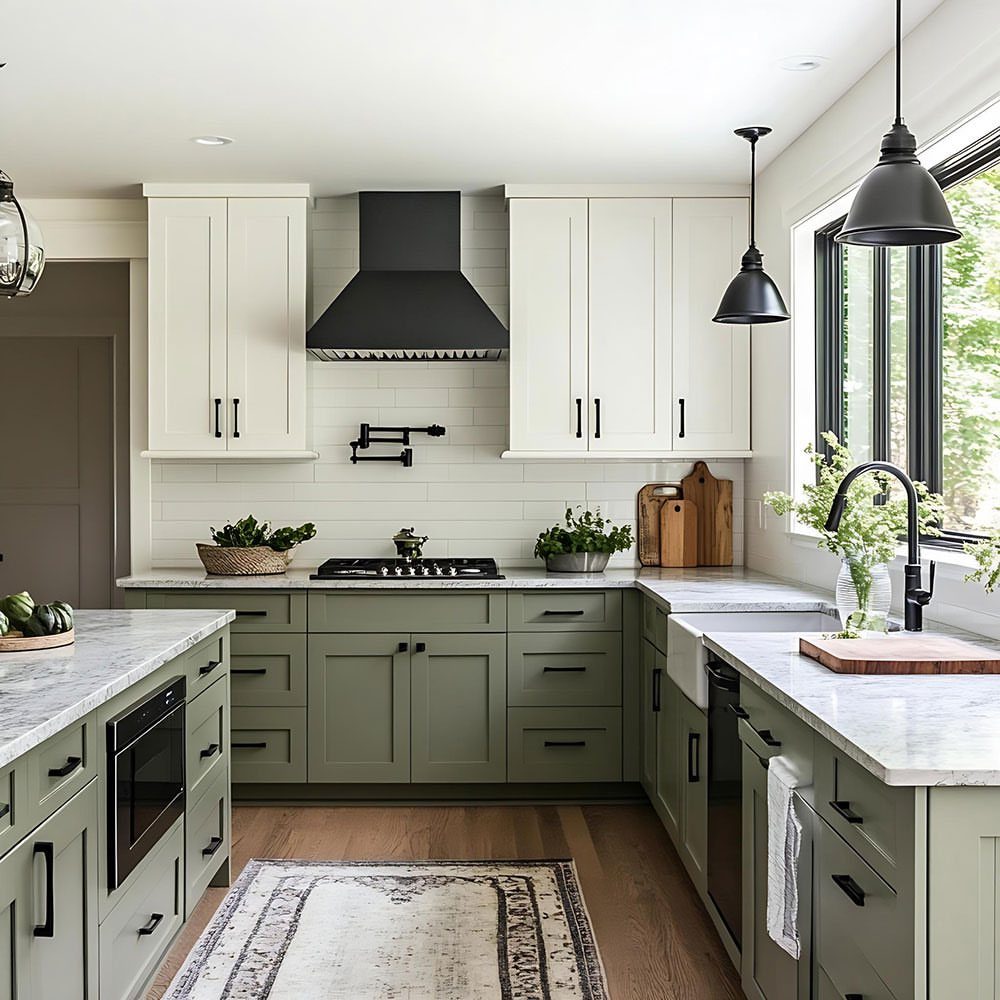
White uppers with dark lowers give the room depth and hide the wear that collects below the counter. I use this layout when the kitchen has enough height to carry the darker color without closing in.
The split works because white reflects light where you need it most, around eye level and above, while the lower cabinets ground the space.
Sage, charcoal, or navy are the colors I see hold up best. Black works in larger kitchens but can feel heavy in tighter layouts.
If the ceiling is low, this approach will make it feel lower. In that case, I’d keep both tiers white and add contrast somewhere else.
4. White Cabinets with Brass Hardware
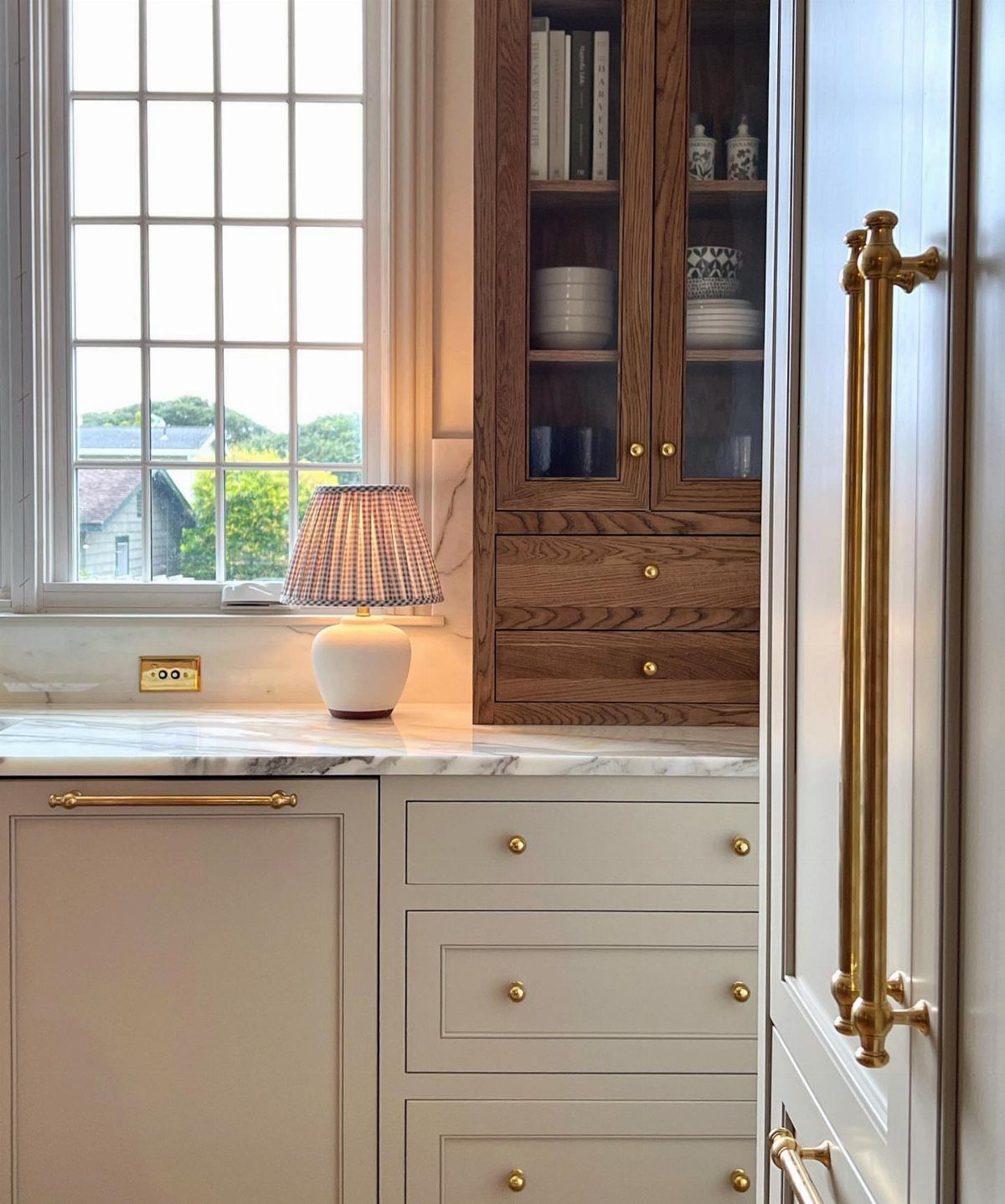
Brass pulls and knobs add warmth to white cabinets without introducing color. I use them when the client wants the kitchen to feel finished but doesn’t want the sharpness of black or chrome.
Unlacquered brass will patina over time, which some people want and others don’t.
If you prefer it to stay bright, choose lacquered or PVD-coated brass. The finish changes how much maintenance the hardware needs, so decide that before you order.
Brass reads traditional faster than other metals. If the rest of the kitchen skews modern, you’ll need clean lines elsewhere to keep it from tipping country.
5. White Shaker Cabinets
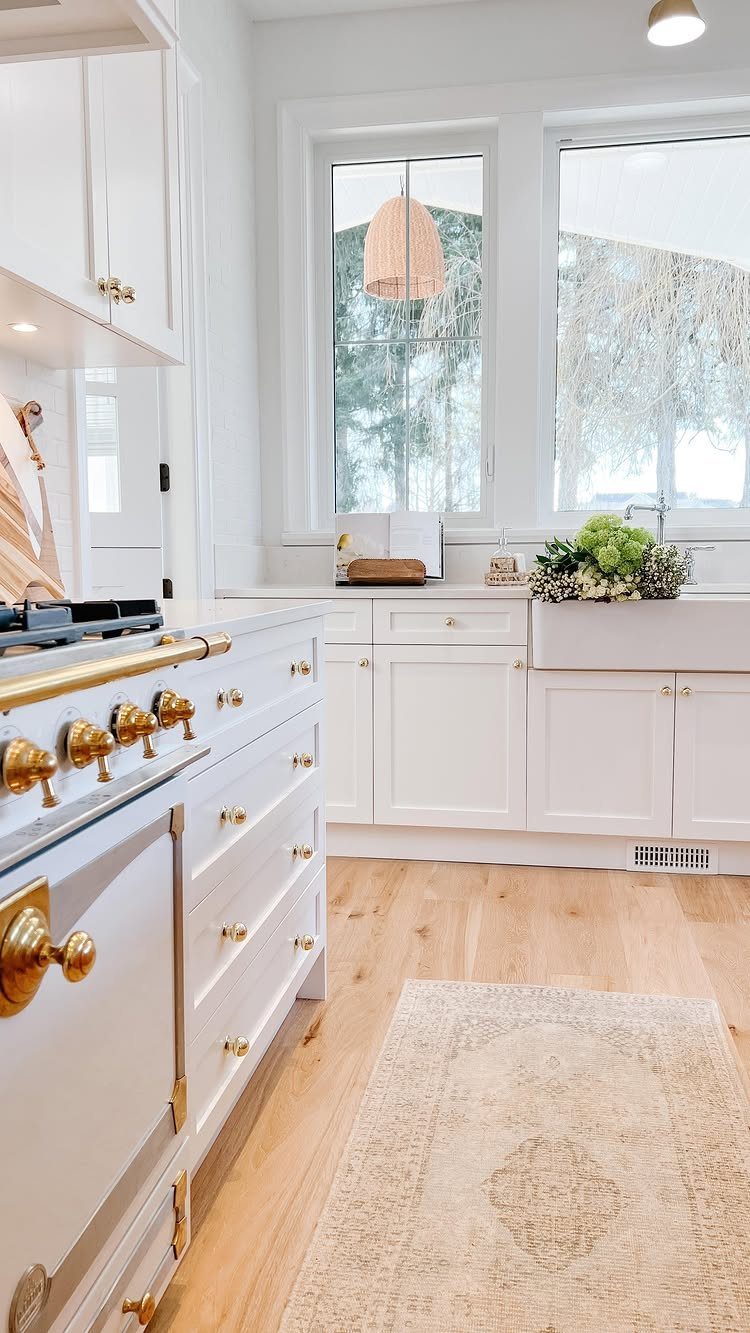
Shaker cabinets have a recessed center panel and a flat frame, and that extra depth gives white kitchens dimension they’d otherwise lack.
I choose them when the space is simple and needs the cabinets to carry most of the visual interest.
The profile is forgiving.
Shaker doors hide minor imperfections better than flat-panel cabinets, which show every dent and every uneven paint coat. That makes them practical in a house with kids or in a kitchen that gets constant use.
They do read traditional.
If you want a modern kitchen, flat-panel doors with integrated pulls will get you there faster. Shaker pairs most naturally with finishes that lean classic or transitional.
6. White Cabinets with Handmade Tile Backsplash
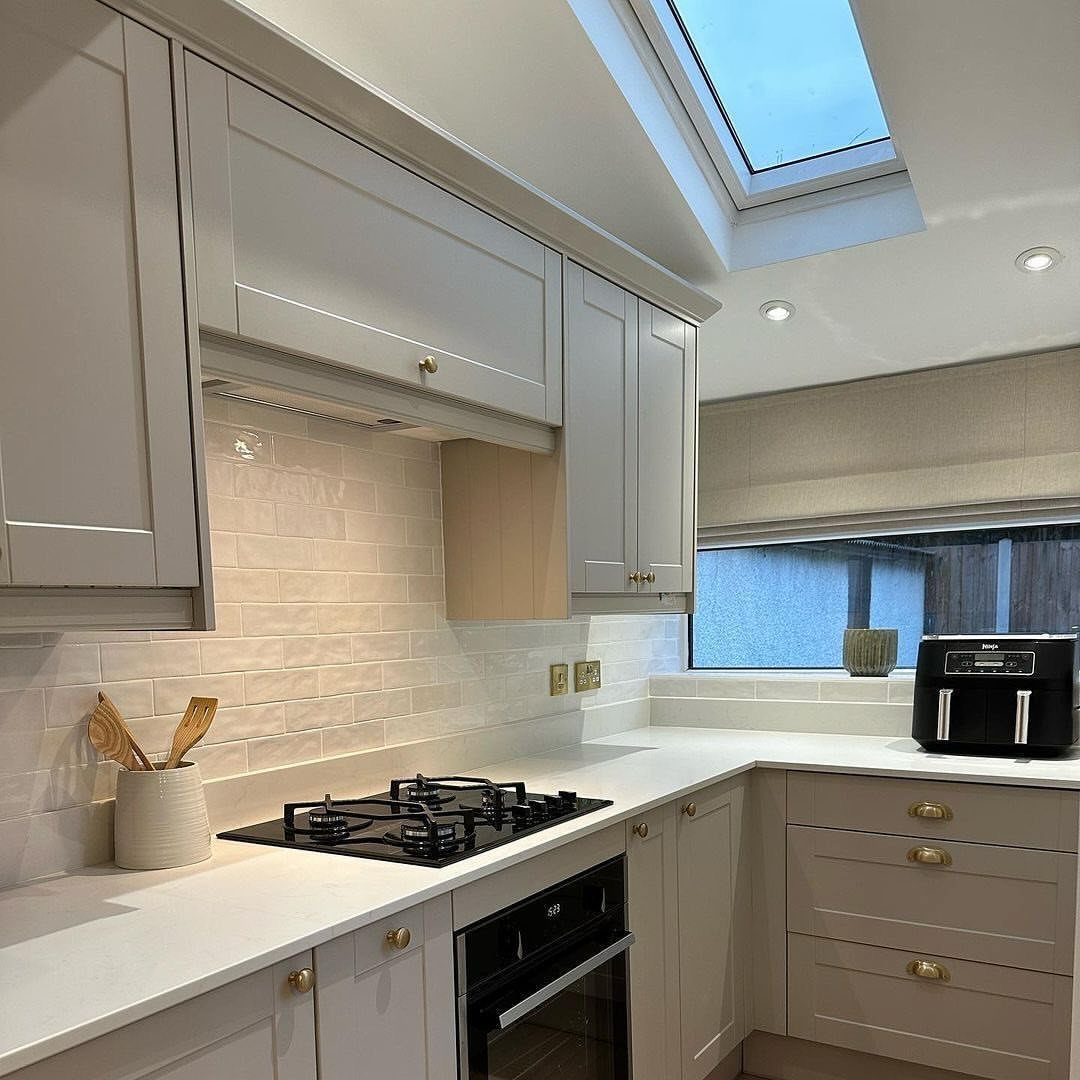
A handmade tile backsplash is where I add texture and shape to a white kitchen without competing with the cabinets.
Glazed ceramic in an irregular pattern or a hand-pressed relief brings in detail the rest of the room doesn’t need to match.
Tile with visible variation in thickness or glaze reads handmade even if it’s commercially produced.
The imperfection is the point, and it softens a kitchen that would otherwise feel too clean. I avoid perfectly uniform tile here because it flattens the same way builder-grade subway tile does.
Installation cost runs higher than standard field tile, and the grout lines take longer to clean. If maintenance is a concern, stick with a smooth glaze and a tight grout joint.
7. White Cabinets with Blue Island
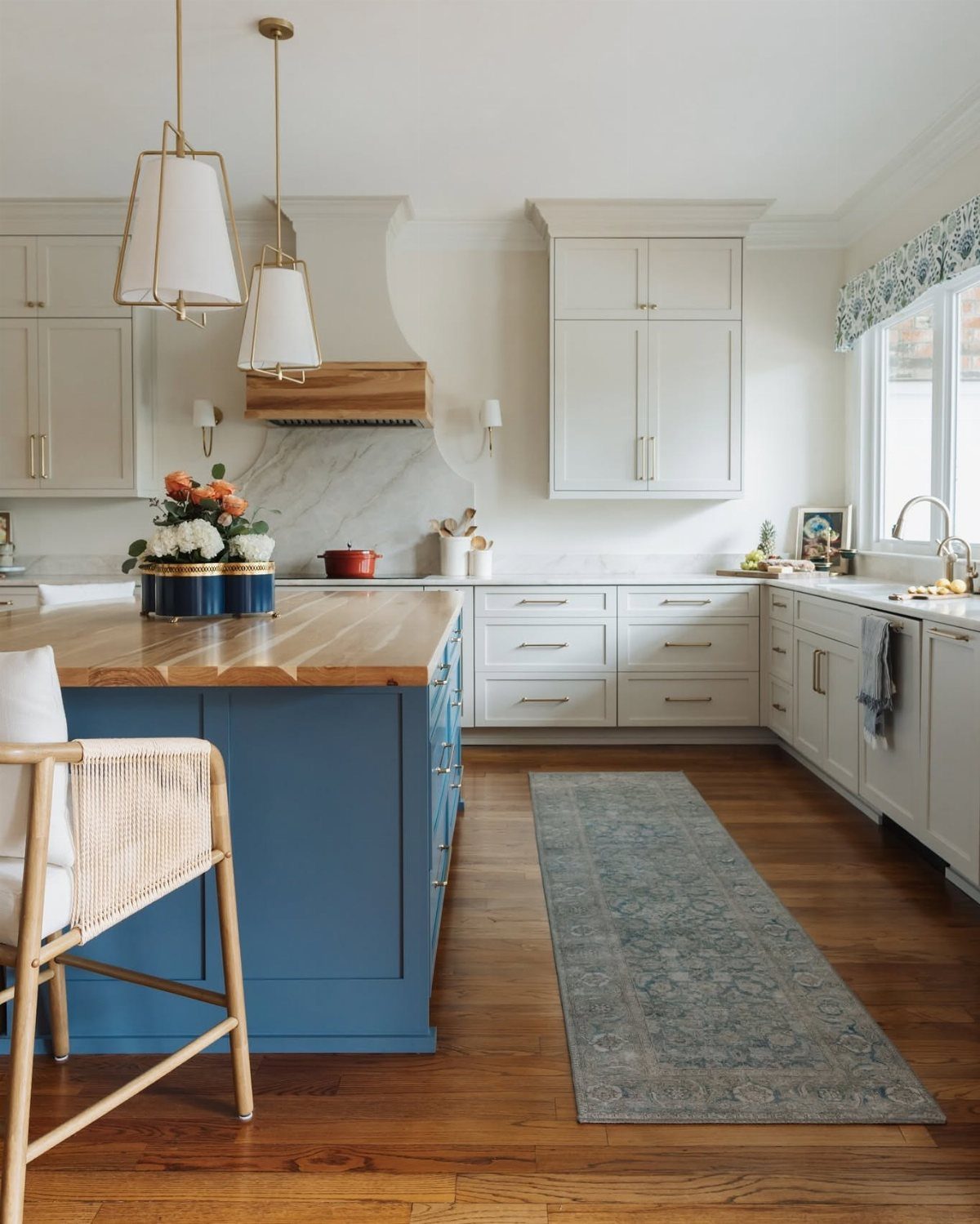
A blue island with white perimeter cabinets pulls the eye and holds the color in one place instead of spreading it through the whole room.
I use this when the kitchen needs more character but the client wants to keep resale flexibility high.
The island is the right place for color because it’s contained and easier to repaint if tastes shift.
Navy holds up longer than lighter blues, which can feel dated faster. Keep the blue saturated enough to read intentional, not accidental.
If the kitchen is small, a colored island will make it feel smaller. In that case, I’d add color through a backsplash or a single accent wall instead.
8. Black and White Kitchen
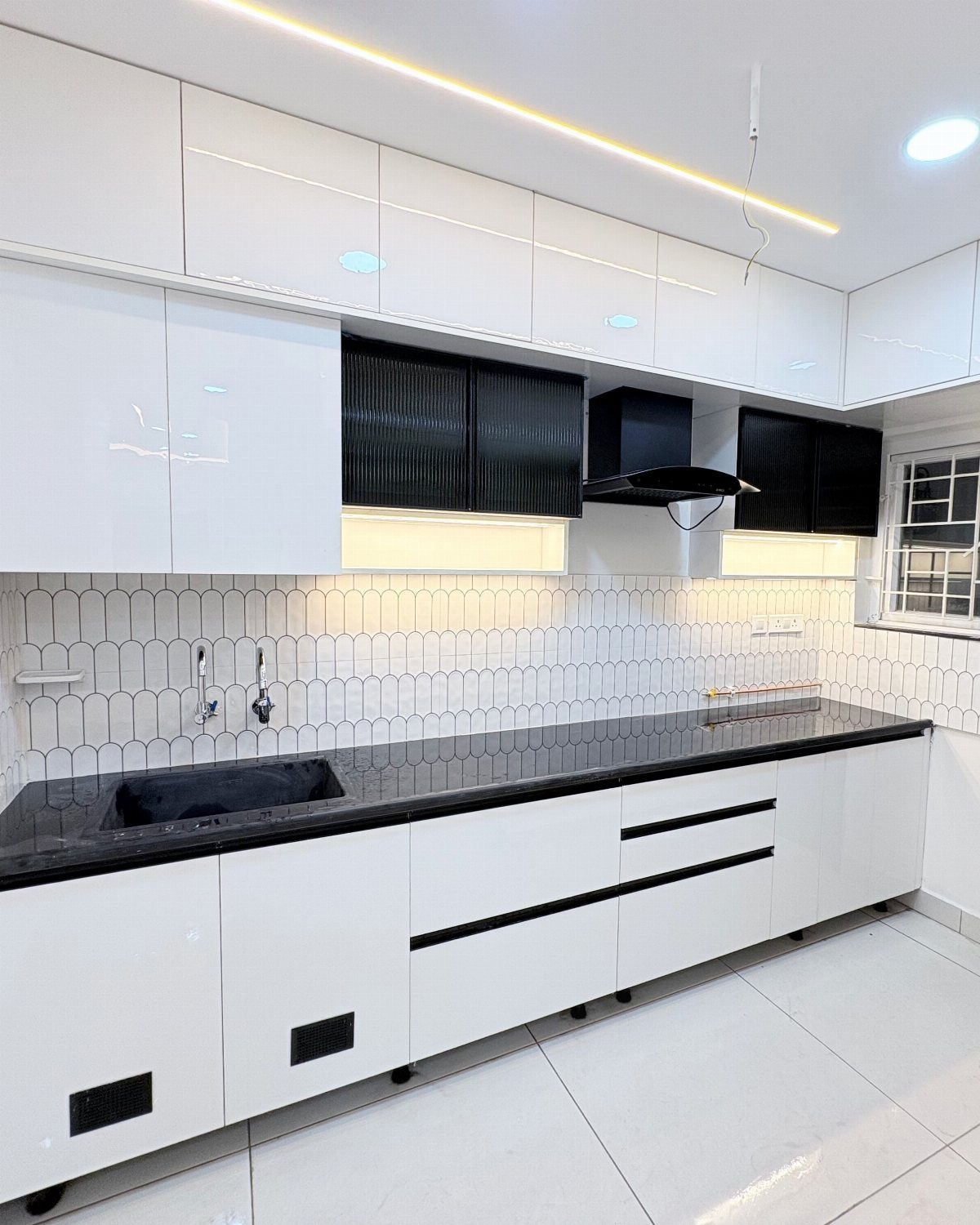
Black countertops or black-framed glass uppers with white cabinets give you contrast without softening the edges. I reach for this when the space can handle a graphic look and the client isn’t worried about showing dust or fingerprints.
Black surfaces need more frequent cleaning than white or stone.
Matte black hides smudges better than gloss, but it still shows water spots. If you cook daily and don’t want to wipe down constantly, a darker stone countertop will behave better than solid black.
The look skews modern. If the rest of the house is traditional, this combination will feel out of step.
9. Flat-Panel White Cabinets
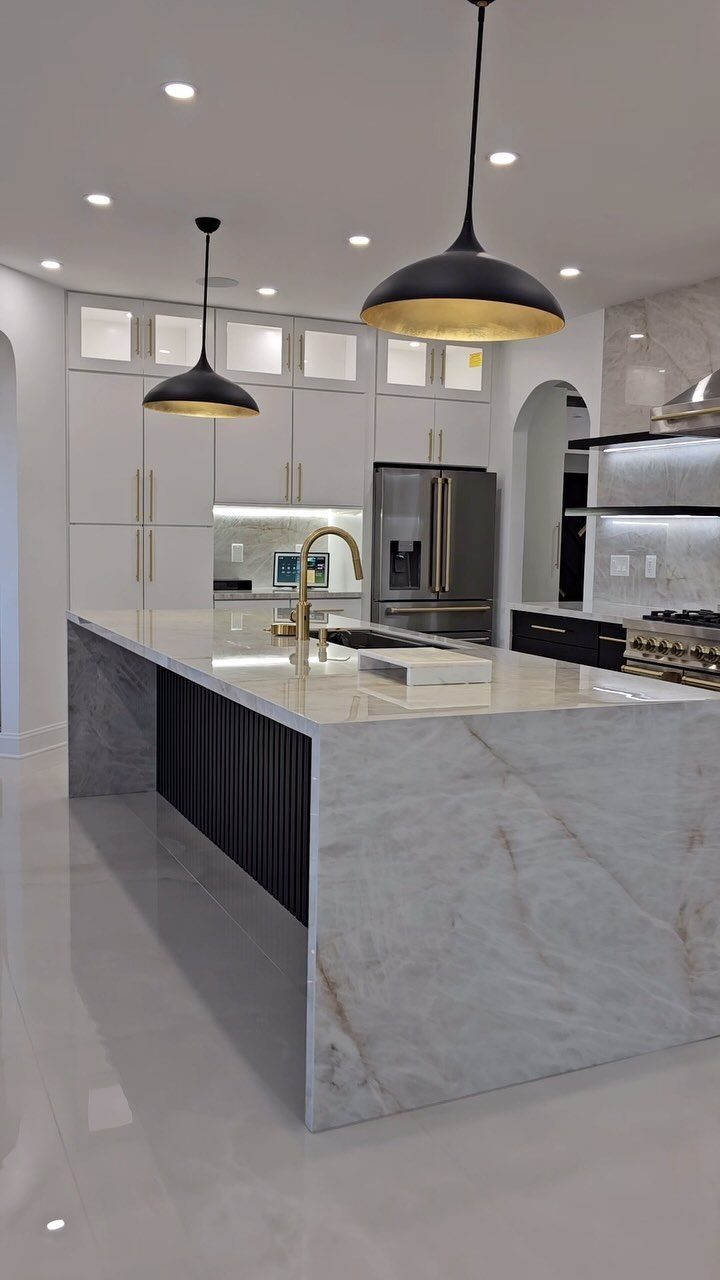
Flat-panel cabinets have no frame or raised detail, just a smooth door face. That simplicity makes them the fastest way to get a modern kitchen without adding texture or hardware.
What you lose is how easily they hide wear.
A flat surface shows every scratch, dent, and uneven paint coat. If the kitchen sees heavy use or the cabinets are painted rather than laminate, expect touch-ups.
Flat doors pair well with integrated pulls or push-to-open hardware. Visible knobs or handles can look out of place unless they’re very minimal.
10. Rustic White Kitchen
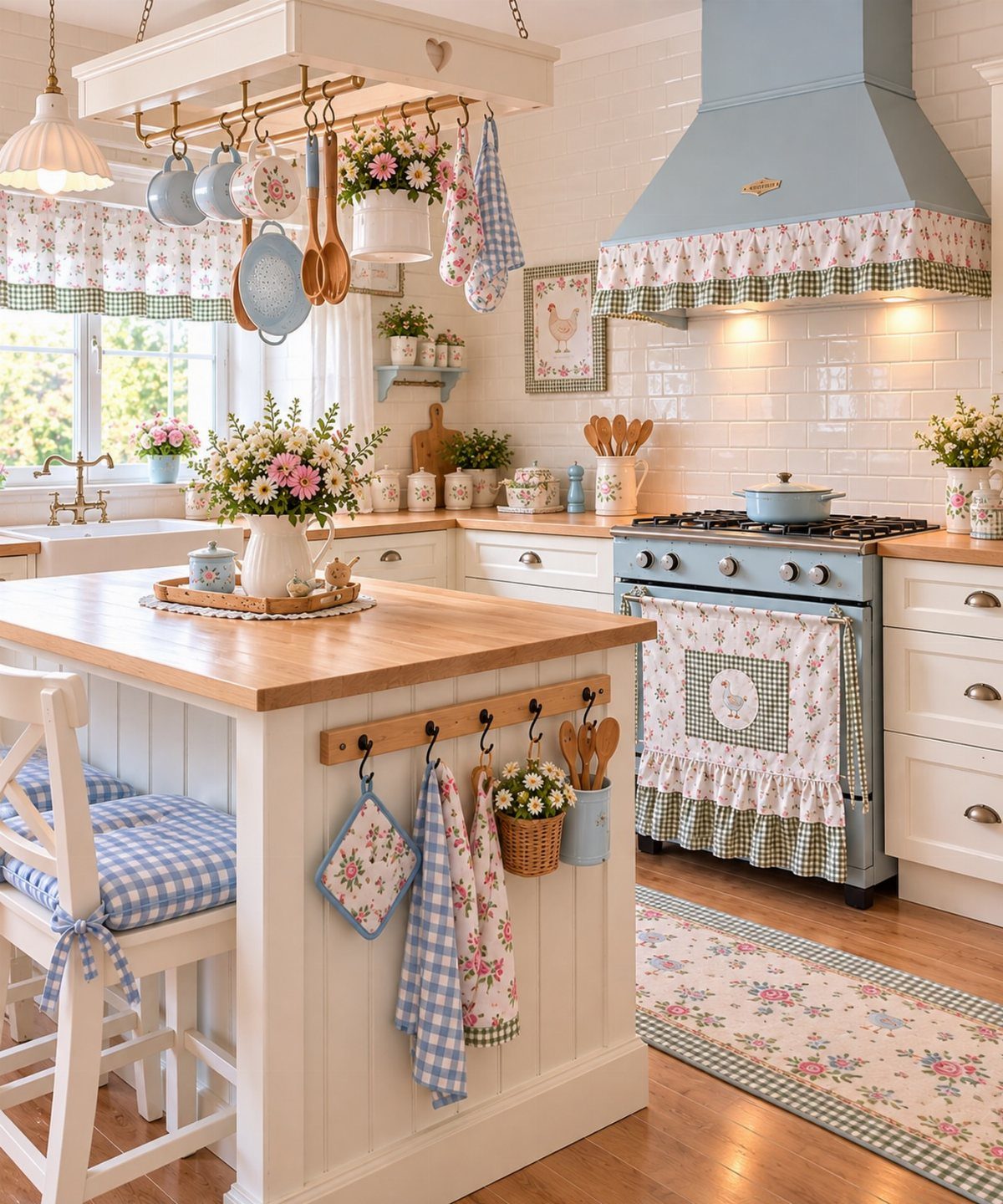
White cabinets with wood countertops, open shelving, or painted furniture keep a rustic kitchen from feeling too heavy. I use this when the room has beams or other original details that would clash with a sleek, modern layout.
Wood grain and low-sheen surfaces belong here more than high-gloss stone or bright metal. If the backsplash is tile, keep it simple and avoid anything too glossy.
Rustic reads casual. If you want the kitchen to feel formal or contemporary, this isn’t the direction to push.
11. Hardware-Free Cabinets
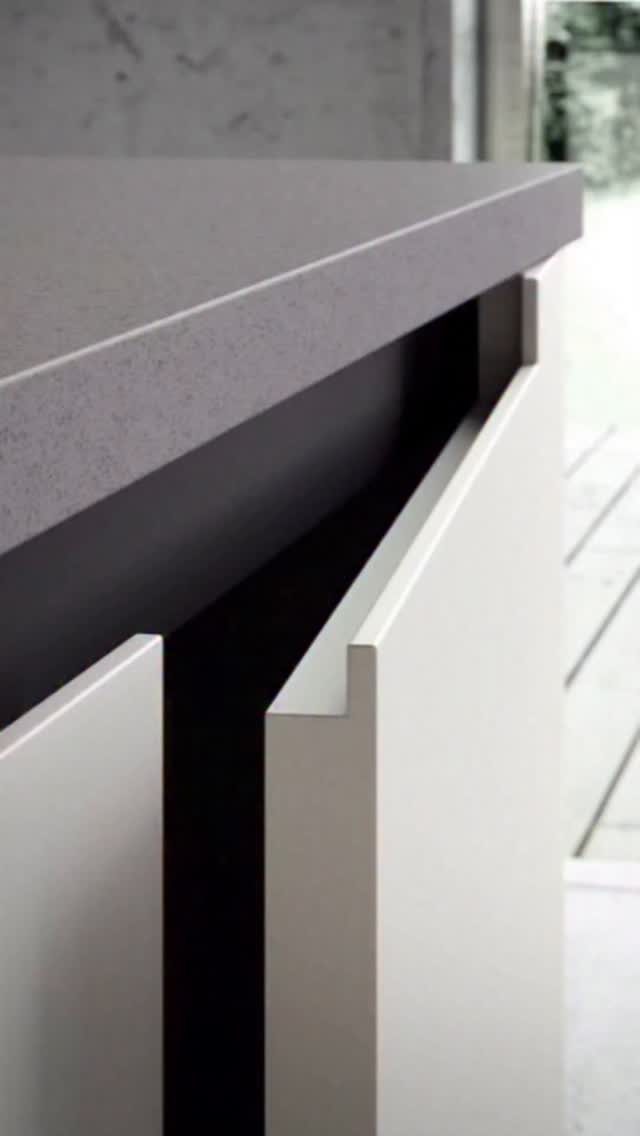
Cabinets with recessed pulls or touch-latch doors remove the hardware entirely and leave the cabinet front uninterrupted. I choose this when the kitchen design is minimal and any visible hardware would clutter the look.
Touch-latch mechanisms wear out faster than pulls and can fail if they get sticky or misaligned. Finger pulls cut into the door edge work more reliably but need precise installation to feel smooth.
If you have arthritis or limited hand strength, hardware-free cabinets are harder to open. Standard pulls are the better choice in that case.
12. White Cabinets with Subtle Stone
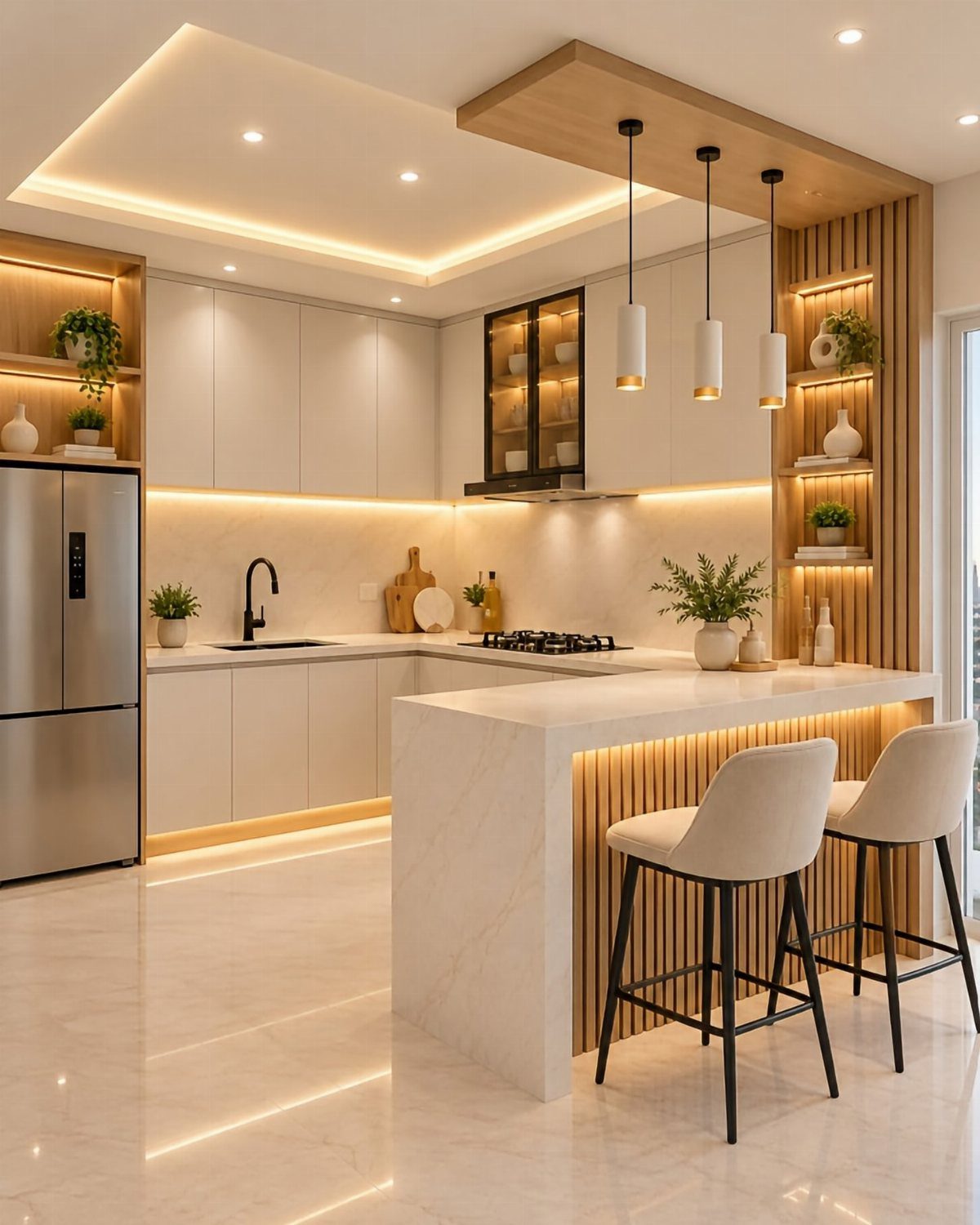
White or light-toned stone with faint veining keeps the countertop and island quiet instead of making them the loudest thing in the room. I use this when the cabinets are already white and the client wants continuity rather than contrast.
Stone with heavy veining or high contrast can dominate a small kitchen. A marble or quartzite with soft grey or beige movement gives you natural variation without fighting the cabinets.
Polished finishes show watermarks and fingerprints more than honed or leathered stone. If maintenance matters, choose the finish before the slab.
13. Mixed Metal Finishes
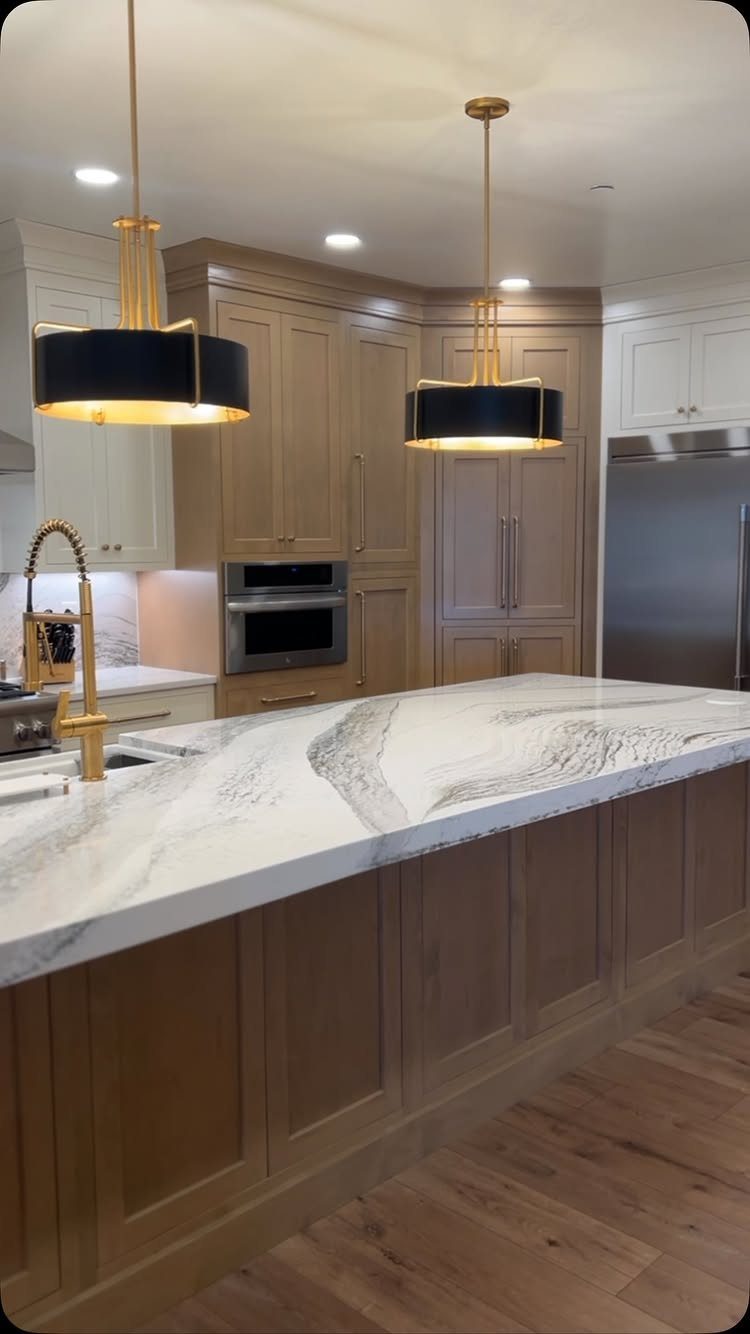
Mixing metals lets you match each fixture to its job instead of forcing every finish to coordinate.
I pair polished brass or gold with stainless appliances when the kitchen needs warmth but the client already owns the appliances and doesn’t want to replace them.
The finish on each metal should stay consistent within its type.
All brass pulls in one finish, all stainless in another. If you mix finishes within the same metal, the room reads unfinished rather than intentional.
Chrome and brushed nickel look too similar to mix well. If you want contrast, pair a warm metal like brass with a cool one like stainless, not two cool metals that sit a shade apart.
Choosing a White Undertone
Whites vary by undertone and lighting.
Cool whites carry blue, gray, or green undertones and read crisp and modern. Cooler whites make sense when your floors, walls, or fixtures lean gray or blue and you want the palette to hold together.
Warm whites lean yellow, beige, or pink and feel softer and more traditional. They pair naturally with earthy tones and suit farmhouse or classic kitchens.
Off-whites with clear gray or cream undertones offer depth without stark contrast. They sit comfortably next to wood, stone, and muted color without competing.
Look at your samples in the kitchen itself, morning and evening, before you commit. A white that looks right under morning light can shift under evening bulbs or next to the countertop.
Test it alongside the flooring and any stone or tile already in place, because undertone becomes obvious only when the surfaces sit next to each other.
White Cabinet Maintenance
White shows dirt, smudges, splatters, and wear more clearly than darker finishes.
A damp cloth and a drop of dish soap take care of most daily cleaning. That handles most of what lands on them.
High-gloss doors pick up fingerprints faster and ask for more attention. Matte finishes hide smudges better and suit homes with kids.
Sunlight and airborne grease can yellow painted finishes over time. Kitchens with windows facing south or west see this faster.
If yellowing shows up, a fresh coat of paint resets the color, but the finish matters. Higher-quality paint holds up longer before it shifts.
White Cabinet Tradeoffs
White cabinets reflect light and can make small kitchens feel larger. They offer a versatile backdrop that works with most countertops, backsplashes, and flooring.
Without some warmth or contrast nearby, white cabinets can feel sterile or one-note. A kitchen with white cabinets, white walls, and white countertops needs something to ground it, whether that’s wood, metal, or color.
Damage is more obvious on white: a chipped edge or worn corner stands out immediately.
Cabinet construction and finish quality matter. Painted MDF or particleboard will dent and chip more easily than solid wood or plywood with a durable topcoat.
Frequently Asked Questions
What color white for kitchen cabinets?
Cool whites with blue or gray undertones suit modern kitchens and pair well with warm floors or counters. Warm whites with yellow or beige undertones fit traditional and farmhouse styles and work naturally with earthy tones.
Whites that lean gray or cream give a cabinet surface more character than pure white and sit easily against natural materials. Test samples in your kitchen under morning and evening light alongside the flooring and countertop before deciding.
How can I make my white kitchen feel warm and inviting?
Add wood as a secondary material through countertops, floating shelves, or an island to bring warmth without color. Choose a white with cream or ivory undertones instead of pure white to soften the room.