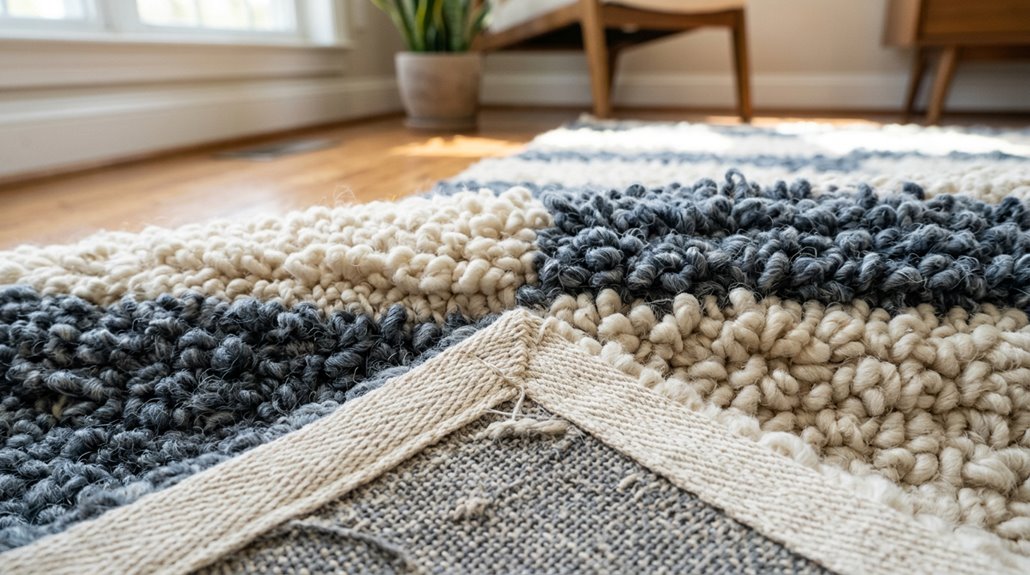
Identifying a tufted rug involves flipping it over. Look for a primary canvas with yarn loops and latex underneath, along with a secondary backing layer. A thick, rubbery underside indicates classic tufted construction. Ensure that the latex is evenly applied without visible glue at the edges. Check for any chemical odors, as new rugs may have a burnt smell that fades over time. Inspect for white powder, which can signal deteriorating backing. Wool is preferable to cotton in high-traffic areas. Consider the placement of the rug, as it is just as important as the rug itself.
How Hand-Tufted Rugs Are Made (And Why It Matters)
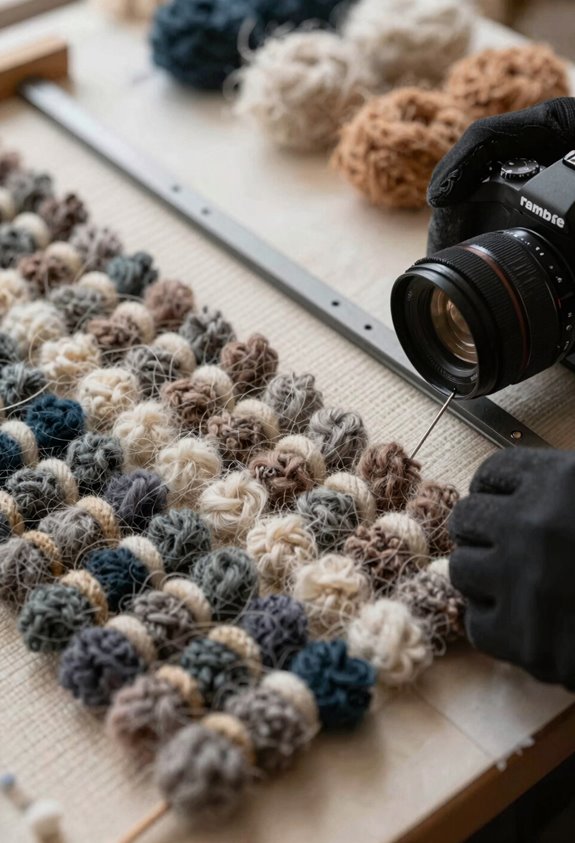
The construction method fundamentally shapes how long a rug will last in your home. I learned this the hard way.
When you’re shopping, you’ll see a tufting gun pushing yarn loops through fabric backing to create the pile directly on canvas or jute. Those tufted loops are secured with latex backing, often reinforced with a secondary layer for stability. The pile height typically ranges from 0.25 to 0.5 inches, whether you choose plush pile or left-loop textures.
Durability depends entirely on backing quality and latex integrity. Cut corners in these areas, and you’re likely to encounter odor problems and premature wear. Knowing the foundation will help you keep your rug looking great.

Block Print Beauty: This design in the Lisette Collection features a scalloped edge and botanical block print in forest green with oatmeal accents, perfect for cottage, traditional, and modern farmhouse decor
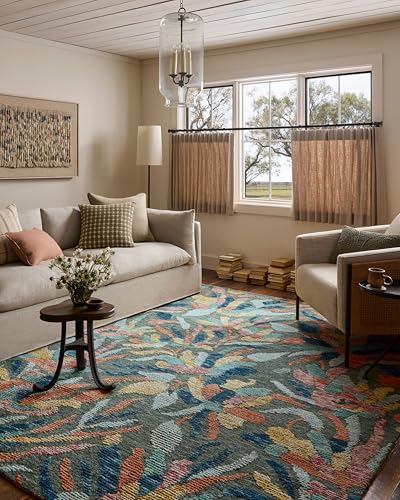
Colorful Area Rug: The Tilly Collection is a hand-tufted wool area rug with bold botanical motifs in eye-catching color palettes; expertly crafted by Loloi.

[DURABLE QUALITY HANDMADE CONSTRUCTION]: Hand-tufted by skilled artisans for a truly unique textured look and feel
The Backing Test: Your Fastest Identification Tool
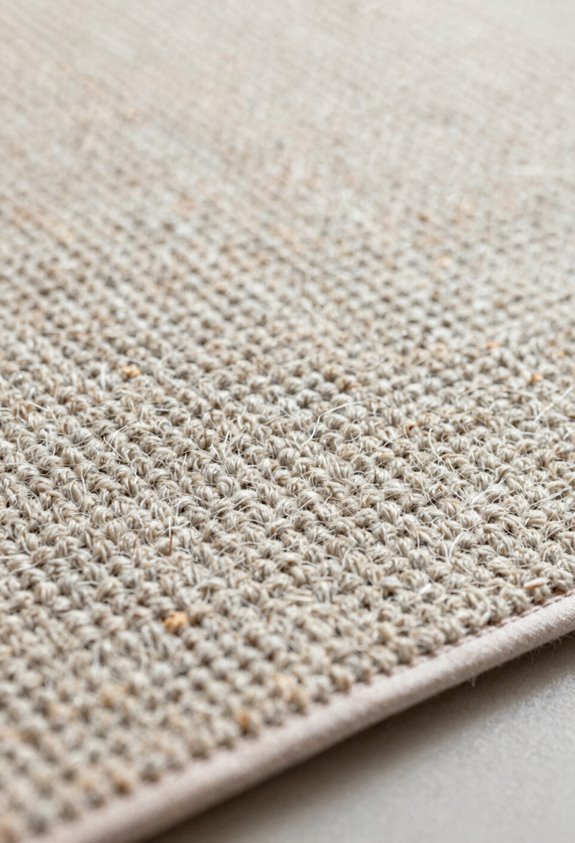
I’ll flip any rug over and go straight for the back; it’s the fastest way to know what you’re getting. You’re looking at three telltale signs: that primary canvas or fabric base, the secondary backing (if it’s there), and crucially, whether there’s latex adhesive holding everything together. If the underside feels stiff, shiny, or rubbery, you’ve got a tufted rug. If it looks like a mirror image of the front with visible knots, you’re holding a hand-knotted piece.
Design features a modern, geometric pattern that adds a bold, contemporary touch to any space.

Design features a modern, geometric pattern that adds a bold, contemporary touch to any space.

Design features a modern, geometric pattern that adds a bold, contemporary touch to any space.
Examining The Primary Canvas
Flip any rug over to quickly determine if it’s tufted or constructed differently. I start by looking for the primary canvas: a fabric backing with loops of yarn pushed through and secured with latex glue underneath. The presence of a secondary fabric layer indicates tufted construction. I also examine the backing’s tightness and evenness, as these factors directly affect durability and edge stability. Quality is essential; a well-constructed primary canvas ensures your rug will last for years. This step is crucial for assessing whether your investment will hold up.
Secondary Backing And Adhesive
Flip that rug over and run your hand across the underside. Feel for that thick, rubbery latex backing securing the tufts; that’s your adhesive-backed tufting in action. A quality secondary backing sits stable and flat underneath, firmly attached without peeling.
New tufted rugs often have a smell reminiscent of burnt rubber. This is normal latex odor, though it should fade quickly. Poor-quality backing with fillers or sulfur compounds can create a lingering odor and lead to white powder deterioration over time.
The difference between a rug lasting for decades versus disappointing you lies in the backing quality. Consistent, clean latex with minimal odor and zero shedding is essential. Investing in this level of quality will benefit both your comfort and overall experience.
Distinguishing Knots From Tufts
Want to know the clear distinction between a hand-knotted rug and a tufted one? Flip it over. When I examine a rug’s backing, I’m looking for knots versus tufts, and it becomes straightforward once you know what to check for.
Hand-knotted rugs feature individual knots tied around warp threads, creating a dense, interlocking lattice that I can feel with my fingers. Tufted rugs have a fabric or latex backing that conceals the pile. The knot-by-knot construction is absent; only loops or cut fibers are anchored by adhesive.
Here’s my method: run your hand across the back. If I feel that structured knot pattern and see the warp clearly, I’m holding a hand-knotted piece. A smooth, glue-backed surface indicates a tufted rug. This backing test is reliable.
Quality Markers: What to Look For
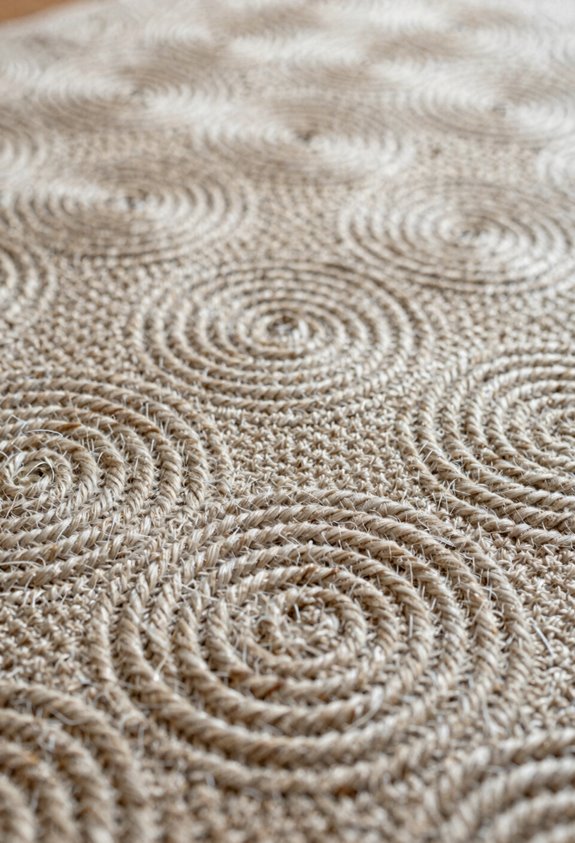
How can you tell if you’re getting a quality tufted rug and not spending money on something that will fall apart in two years? Backing quality makes a significant difference. Here’s what I check:
Backing quality makes a significant difference in determining whether your tufted rug will last or deteriorate quickly.
- Inspect the latex adhesive. I run my fingers along the backing to feel for evenly applied latex with minimal visible glue at the edges. Quality hand-tufted rugs display a clean, professional application.
- Sniff test and powder check. I look for white dust or chemical odors, as these often indicate deteriorating latex and poor durability.
- Evaluate pile height. I check for consistent yarn density around 0.25–0.5 inches; uneven piles suggest shoddy tufting.
These markers help determine whether your rug will last or deteriorate quickly.

Conceptualized in collaboration between DIY experts Chris & Julia Marcum and the award winning Loloi brand.

Conceptualized in collaboration between DIY experts Chris & Julia Marcum and the award winning Loloi brand.

Natural Materials: Our area rug is handmade from 95% Jute, 5% Wool and expertly made by hand or machine in India ensuring quality craftsmanship. These wool area rug styles are known for their classic appeal, sturdy structure, and inviting appeal.
Pile Height, Material, and Durability
I’ve learned that pile height, specifically between 0.25 to 0.5 inches, significantly affects the feel and longevity of a rug. A rug in this range tends to maintain its plushness over time, while one with a lower pile can flatten quickly. In terms of material, I prefer wool for high-traffic areas because it withstands foot traffic and resists stains effectively. Cotton is also an option, but it requires more care. Durability depends not just on the pile height but also on the fiber type, pile height, and the quality of the latex backing. These factors collectively determine whether a rug can endure daily use or will wear out prematurely.

✅ Easy Application and Removal: This natural rubber latex is easy to apply, which signifies you do not have to make much effort. Also, it is easily removable from hard surfaces.

STOP SLIDING AREA RUGS: Run, walk or glide across your rugs and carpets with confidence using our Fiber-Lok Non-skid Rug Backing. It'll keep your floor mats or runners in place so you'll never slip over unstable carpeting again

Effortless Application and Use: apply two thin, even coats to the rug back; Wait until the first coat turns clear before applying the second; Once fully dry, your rug is ready to lay flat and secure; This simple process provides a strong, reliable hold without complicated steps or tools
Understanding Pile Height Variations
What’s happening under your feet when you sink into a tufted rug? You’re experiencing pile height, the essential measurement between 0.25 and 0.5 inches that influences your rug choice.
Here are the key points:
- Higher pile (0.5 inches) provides a luxurious, cloud-like plushness. However, it traps dirt and shows footprints in high-traffic areas.
- Lower pile (0.25 inches) offers less softness but ensures greater durability and ease of cleaning, making it ideal for busy households.
- The fiber factor impacts everything. Wool feels great but compresses differently than nylon or polyester blends, affecting the rug’s longevity.
Pairing the right pile height with suitable materials creates a balance between underfoot comfort and lasting durability.
Material Selection For Longevity
After years of watching clients choose rugs they’d regret within twelve months, I’ve learned that picking the right material is crucial. Wool tufted rugs offer natural resilience and insulation; however, they may shed initially and struggle in moisture-heavy bathrooms. I recommend blends—wool-synthetic combinations that provide softness along with durability and easier cleaning. Backing quality is also essential. I always check for tightly stitched backing and high-density tufts; these features help prevent snagging and premature wear. By considering material selection and pile height, you are creating a foundation for longevity. Stain resistance is important, especially with kids or pets. Choose wisely, and your rug will stand the test of time.
Where Tufted Rugs Perform Best
Where do tufted rugs perform best? They excel in specific spaces, and I want to share where I would invest my money.
- Living rooms and bedrooms — These areas require the plushness and softness that tufted rugs provide. They create an inviting, luxurious feel underfoot.
- High-traffic areas — Entryways and family rooms need soft fibers combined with robust backing. Without this, the rug may flatten quickly.
- Offices with rolling chairs — Dense pile and proper underlay are essential. I learned this after my chair kept sliding around.
Layering with cushioned pads enhances comfort while protecting your floors. This approach ensures durability.

1. Unique Lighter-Shaped Design for Trendy Decor This tufted rug features a creative lighter-shaped silhouette with bold colors and a fun cartoon style, making it an eye-catching accent piece for bedrooms, game rooms, dorms, and modern living spaces.

Fluffy Bedroom Rug: Quntue shag small bedroom rug is made of high quality microfiber and memory foam, the soft and comfortable touch makes you feel like walking on clouds whether you are standing, sitting or lying down; your family and pets will love to play on this bedroom rug.

Soft Area Rug: Tepook 2 x 3 modern fluffy rugs are made of soft and comfy velvet materials. We can enjoy the comfort of walking on a plush rug with our feet, feeling a silky sensation like clouds, freeing you from the fatigue of the day
Shedding, Odor, and Wear: Realistic Expectations
they shed. Wool variants especially lose fibers initially; expect this for 6–12 weeks with regular cleaning. I’ve dealt with that new rug smell from latex backing and adhesives, which lingers until your space gets proper ventilation. The real frustration is that poor-quality latex backings deteriorate, leaving fine white powder underneath. Cloth-backed rugs with filler-heavy latex are often the culprits. Higher-quality, low-emission adhesives are worth the investment.
My current maintenance routine includes vacuuming with brushless suction, rotating regularly, and scheduling professional cleaning every 12–18 months. While it requires effort, this approach significantly reduces shedding, odor, and wear. Tufted rugs benefit greatly from consistent care.

Material: 80% Wool, 20% Cotton, Made by skilled artisans in India

100% PREMIUM WOOL: Crafted from finest-quality natural wool, offering a soft yet durable texture designed to maintain its refined appearance in high-traffic areas for long-lasting elegance in any room.

[DESIGN & PILE]: SAFAVIEH's Abstract area rug works a striped design in beige & ivory, and its 3/8" low pile is smooth and hard-wearing underfoot in a living room, bedroom or dining room.