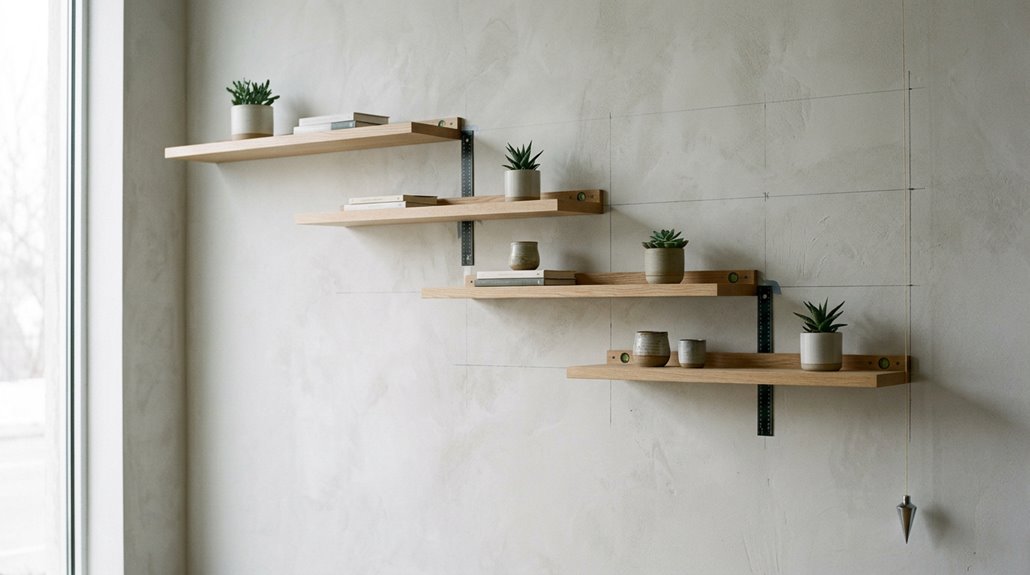
I learned the hard way that floating shelves require precision, not eyeballing. Measure your wall space first, marking obstructions and studs, which are typically 16 inches apart. Space shelves 10–16 inches vertically, adjusting for your room: kitchens need 18–24 inches above counters, while living rooms should have roughly 10 inches above couches. Use a stud finder consistently; drywall anchors can fail. Create cardboard templates before drilling. Mark everything, test your sightlines, and reorganize as needed. Once alignment feels right, proceed with the actual installation.
Measure Your Wall Space and Map Shelf Locations
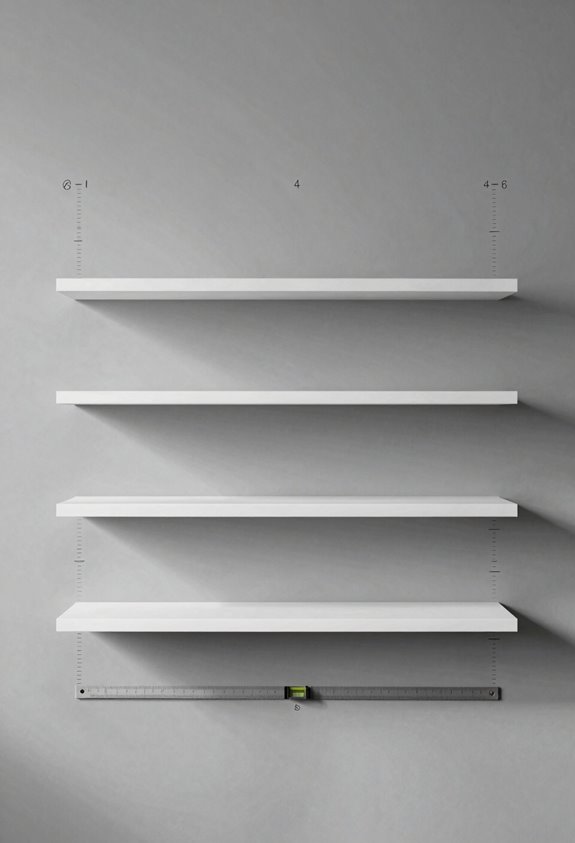
How many times have I measured a wall, skipped the planning step, and drilled holes only to realize I’d completely botched the spacing? Too many. That’s why I insist on grabbing my tape measure and actually mapping things out first.
I measure the available wall space—both width and height—noting every obstruction: outlets, switches, anything that might interfere with my floating shelves. Then I mark my spacing guidelines. I typically space shelves 10–14 inches apart, positioning the first one at eye level, around 4–5 feet up.
I locate wall studs, which are usually 16 inches apart, because my brackets must align there for proper support. I create cardboard templates, sketch pencil marks, and even use painter’s tape. This simple template layout prevents costly mistakes. Measuring twice and drilling once helps avoid frustration every time.

Stylish for Your Home Library: HBlife acrylic floating shelves allow you to claim wall space that typically goes unused and turn it into an artful, savvy storage solution for...
Adjust Spacing for Kitchen, Bathroom, or Living Room Needs
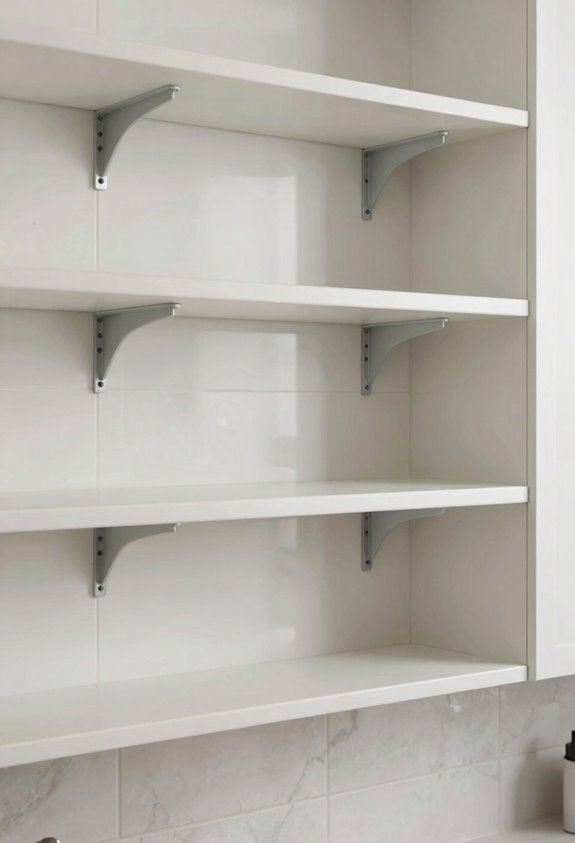
Where you install your shelves is just as important as how you space them. I learned this by hanging kitchen shelves too high and watching my dishes gather dust instead of staying accessible. In kitchens, I place shelves 18–24 inches above countertops with 15–21 inches between them for practical dishware storage. In living rooms, I keep shelves roughly 10 inches above couches and stagger them 12–16 inches apart for visual balance. I always align with wall studs for proper weight capacity and use a level with pre-marked templates to nail the layout. Eye-level placement around 4–5 feet works well. The purpose of your room determines everything; measure thoughtfully and plan deliberately to achieve effective floating shelf arrangements.

Measuring 5-7/8 x 2 inches, these brackets perfectly work with a traditional 6 to 8-inch deep shelves board (Orders do not include boards)

【Standard 90° bending】In order to ensure that each shelf bracket can be at 90° to the maximum extent possible, we add a rigorous picking process before the shelf brackets are packaged. The standardized 90-degree design is so important that it’ s the objective factor in ensuring that items remain level and do not tip over after being placed on the board(board is not included).

✓ HEAVY DUTY CONSTRUCTION: Made from premium quality metal with reinforced design, each 6 inch shelf bracket supports up to 150 lbs, providing reliable strength for your floating shelves, kitchen shelves, bathroom storage, and home organization needs
Start With 10 to 16 Inches Between Floating Shelves
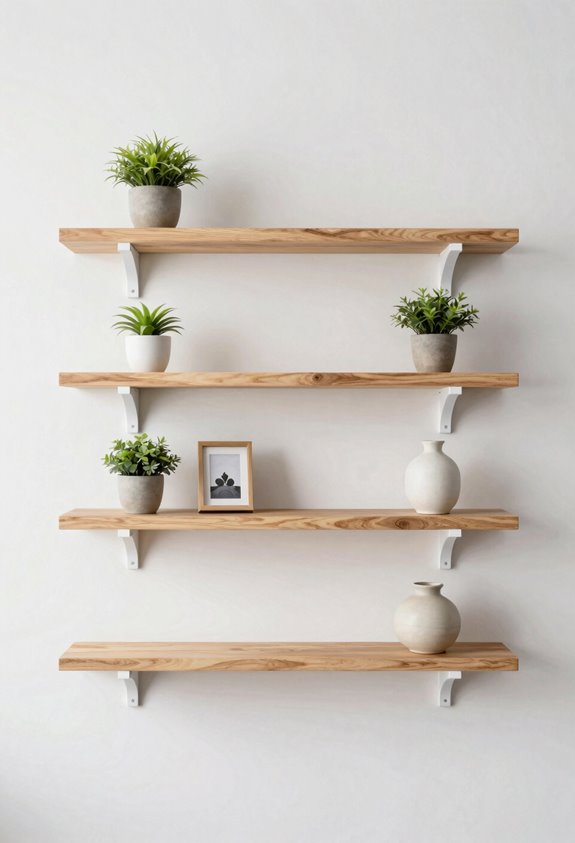
Once you’ve determined the placement of your shelves in your room, it’s time to focus on the vertical spacing. This is where many people encounter difficulties. Start with 10 to 16 inches between floating shelves. This range allows for varying item heights without overcrowding.
For displays with multiple shelves, I recommend a core range of 12 to 16 inches. This creates consistent vertical intervals that establish a natural rhythm on the wall. Use a level and templates to accurately mark these measurements before drilling into wall anchors and stud placement; avoid eyeballing. If you’re showcasing taller items or artwork, aim for the 16-inch spacing. Visual balance is important for an appealing arrangement.

MULTIFUNCTIONAL GARAGE STORAGE SYSTEM: Comes with 1 wall shelf and 6 hooks. Perfect to hang or store bikes, tools, storage boxes, sport equipment, and other items.

Hanging Shelves for Wall Spaces – Maximize wall space with these 17" x 6" Paulownia wood shelves, ideal for bedrooms, entryways, or compact rooms.

More Sturdy and Stable: the buckle design with velcros prevents the brackets from falling or bending
Locate Wall Studs to Plan Horizontal Placement
Finding wall studs is essential for a successful installation. I grab my stud finder and locate the center of each stud, which are typically spaced 16 inches apart (or 24 inches on some walls). I mark those spots with a pencil, creating lines across the wall for accurate alignment.
I prioritize hitting studs for mounting points rather than relying solely on drywall anchors. If my bracket locations don’t align with the studs, I either install into multiple studs or add blocking behind the wall.
I drill pilot holes at each location. Keeping them level and evenly spaced helps prevent tilt. This horizontal placement strategy ensures my shelves remain secure for years. Studs serve as the backbone of any sturdy installation.

[ Multi-Surface Adaptability] Multi-level organizer shelf is mainly used for layered storage of kitchen items such as seasonings, spice jars, containers, cans, cutlery, etc. on the kitchen countertop. Functions effectively as kitchen spice organizer, bathroom counter storage, or display shelf.
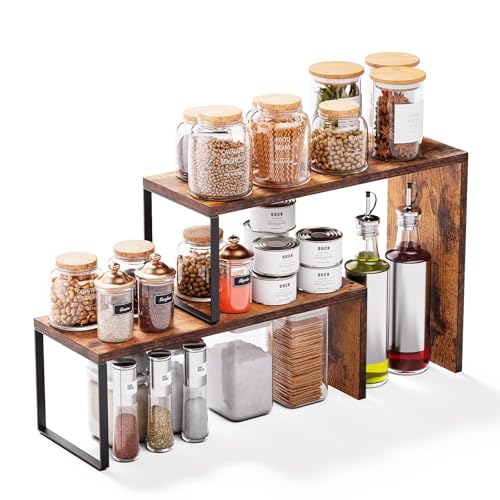
[ Easy to Assemble ] The cabinet storage rack is made of durable wood and metal.The simple structure and pre-drilled holes of the small shelf make its assembly easy.The hardware packet includes screws, allen wrench and an instruction manual.Durable and sturdy enough for kitchen appliances or daily use items.This countertop organizer comes with little rubber self-adhesive feet to protect your table surface and prevent sliding

SPACE-SAVING CORNER RISER: Turns unused countertop corners into vertical storage for spices, mugs, coffee pods, tea tins, bowls, and snack jars, declutters fast for everyday kitchen use
Visualize Your Layout With Paper Templates Before Drilling
Why do so many people drill holes first and ask questions later? I’ve made that mistake, and creating paper templates before drilling significantly improves your approach to spacing floating shelves correctly.
Creating paper templates before drilling significantly improves your approach to spacing floating shelves correctly.
I cut cardboard to match your exact shelf dimensions and position them on the wall, testing sightlines and balance without causing permanent damage. Here’s what I always do:
- Mark stud centers with pencil for confident bracket placement
- Label intended heights for books, plants, or decor to confirm spacing decisions
- Reorganize templates freely until consistent alignment feels right
- Transfer measurements directly to wall studs when satisfied
This visualization process helps avoid costly mistakes. You can confirm shelf height, spacing, and overall harmony before committing to a single hole. It is a smart investment for your floating shelves project.

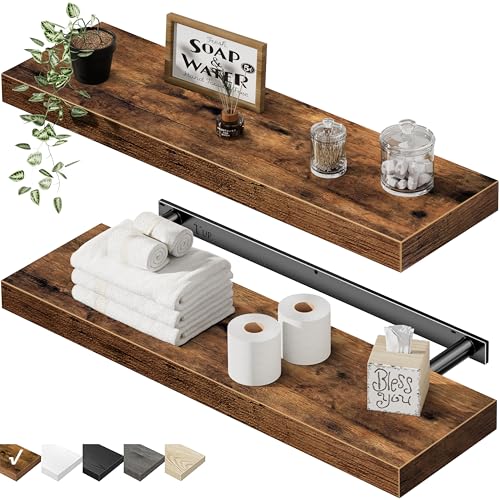

White Floating Shelves for Wall Storage: Display charming showpieces, home decor items, and other prized possessions while offering functional wall book shelf storage. Our bathroom shelf Measures approximately 16.25 inch L x 5.50 inch W - Each floating shelf is 1.5 inch thick