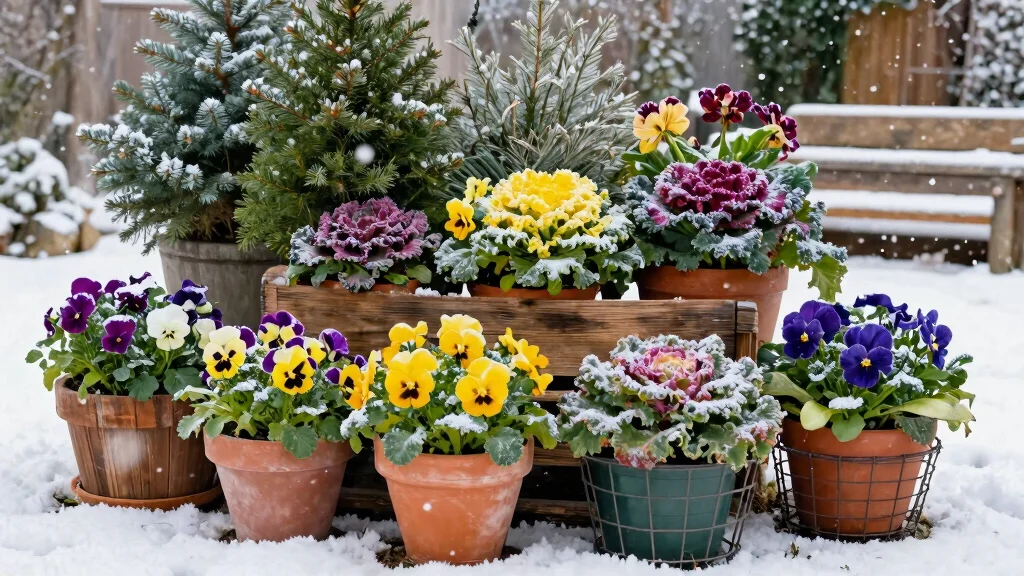
Winter can feel a bit bleak, especially when your garden is tucked away under a blanket of frost. But that doesn’t mean you can’t enjoy some vibrant greenery and color even in the cold! I’ve been dreaming of ways to keep my outdoor spaces lively during winter, and I know many of you share that desire. You deserve to have beautiful winter planters that not only survive freezing temperatures but also look full and inviting.
If you’re someone who loves container gardening or simply wants to spruce up your outdoor decor during the chilly months, this post is for you. Whether you’re a seasoned gardener or just starting out, these winter planter ideas will inspire you to create stunning displays that bring warmth and joy to your surroundings. You’ll discover how to select the best winter plants and learn some container gardening tips that ensure your arrangements thrive despite the frost.
Get ready for a list of 15 amazing winter planter ideas! These concepts are not just beautiful; they’re practical, too. You’ll find options that are colorful, textured, and perfect for adding a touch of charm to your outdoor spaces this winter.
Key Takeaways
– Maximize Color: Choose plants like pansies and cyclamen that add vibrant colors to your winter arrangements.
– Layer Wisely: Layering different plants creates depth and fullness in your containers, making them visually appealing.
– Consider Hardiness: Select winter plants that can withstand low temperatures, ensuring your planters remain intact through the frost.
– Incorporate Natural Elements: Adding branches, pine cones, or seasonal berries can enhance your winter planter design and provide texture.
– Use Practical Tips: Following container gardening tips such as proper drainage and choosing the right soil can help your winter plants thrive.
1. Evergreen Elegance
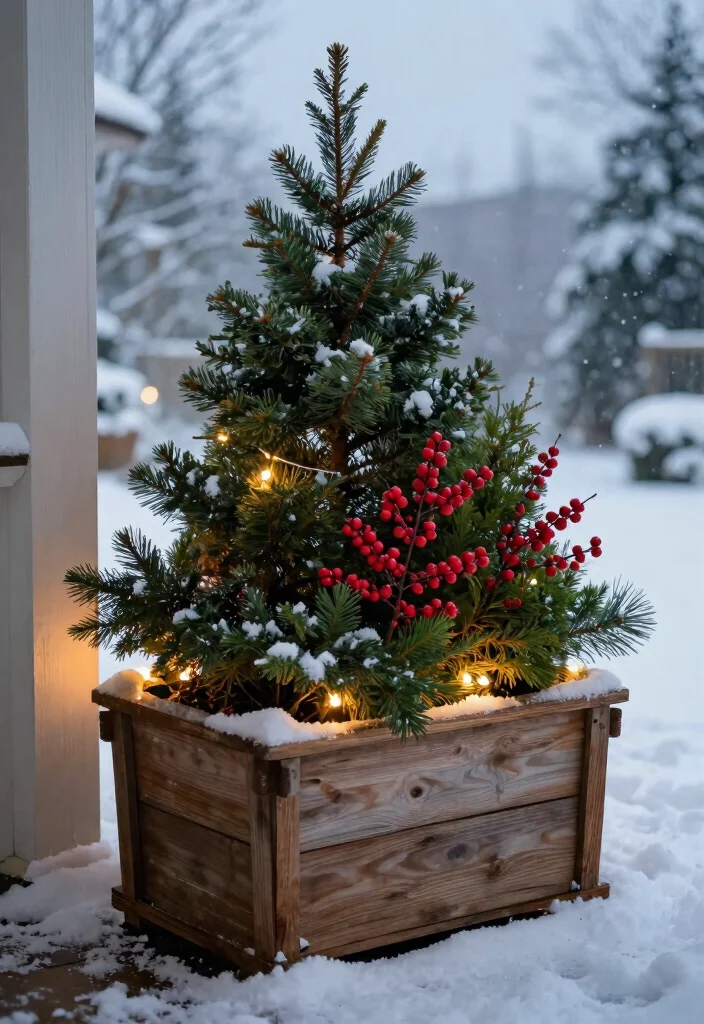
Evergreens are your go-to choice for winter charm! They offer a vibrant green palette that brightens the cold months and come in various sizes and shapes to fit any space. Imagine dwarf pines or junipers nestled in an eye-catching pot, creating a stunning centerpiece.
To elevate their appeal, think about adding twinkling fairy lights or colorful ornaments around the arrangement. You can also mix in winterberries for a festive splash of red or pair them with hardy perennials like sedum for a lush, full look. Don’t forget to water your planters regularly—dry spells can stress your plants.
Key steps to enhance your evergreen planters:
– Select pots with excellent drainage to stave off root rot.
– Add a layer of mulch for root protection from frost.
– Choose holiday-themed pots to bring a festive vibe!

VIBRANT COOL SEASON BLOOMS: Pansies bring a burst of color to gardens, containers, and landscapes through the cooler months of spring and fall.

Decorative Flower Seeds.

2. Cheerful Pansy Pots
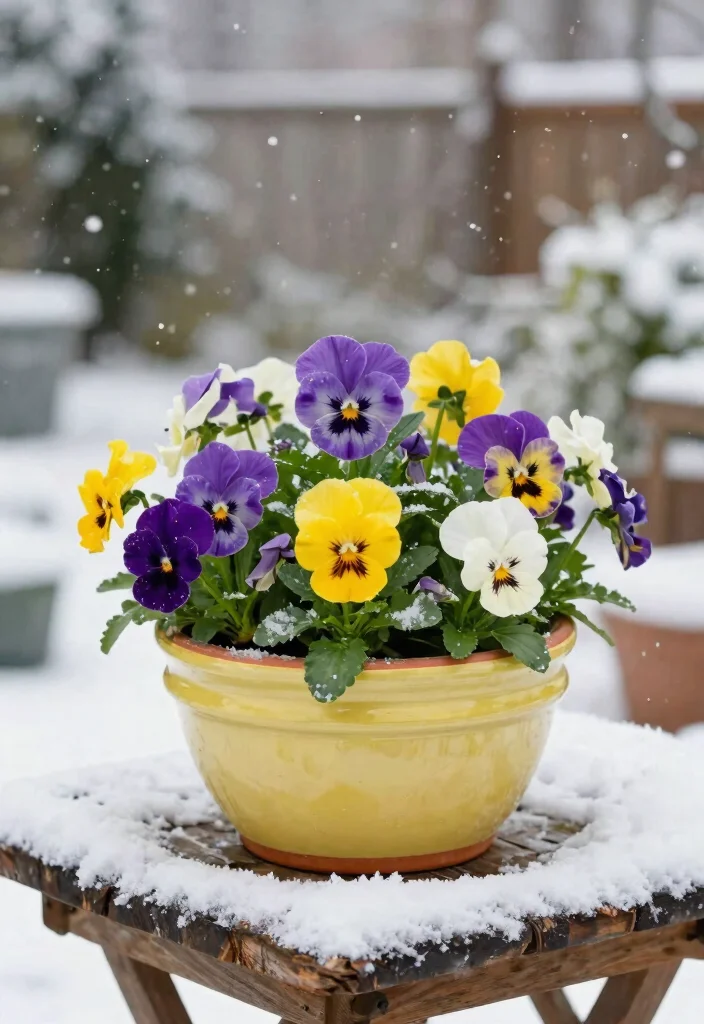
Pansies are the cheerful stars of winter! Blooming bravely through chilly weather, they provide vibrant color when we need it most. A mix of purple, yellow, and white pansies can create a lively, inviting display in your outdoor space.
Plant them in groups of three or five to achieve a fuller look. Ensure they get sunlight while protecting them from harsh winds. Pair them with ornamental grasses to add texture and visual interest.
Essential tips for your pansy pots:
– Remove spent blooms regularly to encourage more flowers.
– Water consistently, particularly during dry spells.
– Apply organic fertilizers to give your plants a nutrient boost!

MULTI-USE POT: Our timeless and modern plant pots are ideal for your indoor space or your outdoor deck, patio, or balcony. They effortlessly complement any design style and elevate the look of potted real or faux greenery.

Authentic Briarwood Lane Craftsmanship

Authentic Briarwood Lane Craftsmanship
Top Varieties for Different Conditions
Evergreen Boxwood
– Best conditions: Ideal for cooler climates where temperatures drop significantly.
– Key features: This hardy shrub maintains its lush green color throughout winter. Its compact shape makes it perfect for container displays.
– Considerations: Requires well-draining soil and can be susceptible to root rot in overly wet conditions.
Pansy ‘Matrix Orange’
– Best conditions: Thrives in mild winter climates and can handle frost.
– Key features: These cheerful blooms add a splash of color to your planters. They are known for their ability to bounce back even after harsh weather.
– Considerations: Ensure they have enough sunlight—at least six hours a day— to maximize blooming.
Ornamental Kale ‘Winter Rose’
– Best conditions: Perfect for colder regions as it withstands freezing temperatures.
– Key features: Its striking colors and unique frilled leaves create stunning combinations in winter planters. It can be used as a focal point in container displays.
– Considerations: Needs a well-drained potting mix and may require some protection from extreme winds.
Hellebore ‘Winter Jewels’
– Best conditions: Suited for shady areas in temperate zones, making it perfect for colder winters.
– Key features: This perennial blooms in winter, offering delicate flowers that resist the cold. Its subtle beauty is perfect for enhancing outdoor decor.
– Considerations: Requires moist, well-drained soil and may need a layer of mulch for protection in harsh winters.
Cyclamen persicum
– Best conditions: Best suited for mild winters, particularly in coastal regions.
– Key features: The unique heart-shaped leaves and colorful blooms add a charming touch to winter planters. They can thrive indoors as well.
– Considerations: Prefers cooler temperatures and should not be overwatered, as this can lead to bulb rot.
Winterberry (Ilex verticillata)
– Best conditions: Thrives in colder climates and can tolerate wet soil.
– Key features: This shrub produces bright red berries in winter. It provides both beauty and food for wildlife.
– Considerations: Needs both male and female plants for optimal berry production.
Grape Hyacinth ‘Muscaris’
– Best conditions: Perfect for well-drained soil and full sun in temperate regions.
– Key features: These small bulbs produce lovely clusters of blue flowers, adding a pop of color to your winter planters. They are also great for containers.
– Considerations: Ensure they receive enough water during the growing season but allow them to dry out in winter.
Climate/Condition Guide:
– Temperate: Choose hardy perennials like Hellebores and Ornamental Kale that thrive in cooler conditions.
– Continental: Consider varieties that can handle drastic temperature changes, like Evergreen Boxwood and Pansies.
– Coastal: Opt for Cyclamen and Grape Hyacinths, as they prefer milder temperatures and can tolerate moist conditions.
– Hot/Dry: Select drought-resistant varieties such as certain succulents or ornamental grasses that can withstand winter dryness.
– Humid: Go for plants that can thrive in moisture, like Winterberry, ensuring they have good air circulation to prevent rot.
Growing Tips:
1. Use pots with drainage holes to prevent waterlogging.
2. Consider grouping your planters together for extra protection against wind and frost.
3. Regularly check soil moisture and adjust watering based on the temperature and rainfall.
Avoid:
1. Overwatering, which can lead to root diseases in cold conditions.
2. Planting annuals that don’t tolerate frost, as they will not survive the winter months.

Dwarf blue evergreen that is easy to grow - slow-growing and needs little maintenance or pruning

Skyrocket Juniper offers a striking columnar shape, perfect for adding vertical interest to landscapes and garden designs effortlessly

Low-maintenance evergreen ground cover with spreading habit, perfect for adding texture and color to gardens, borders, and landscapes
3. Seasonal Succulents
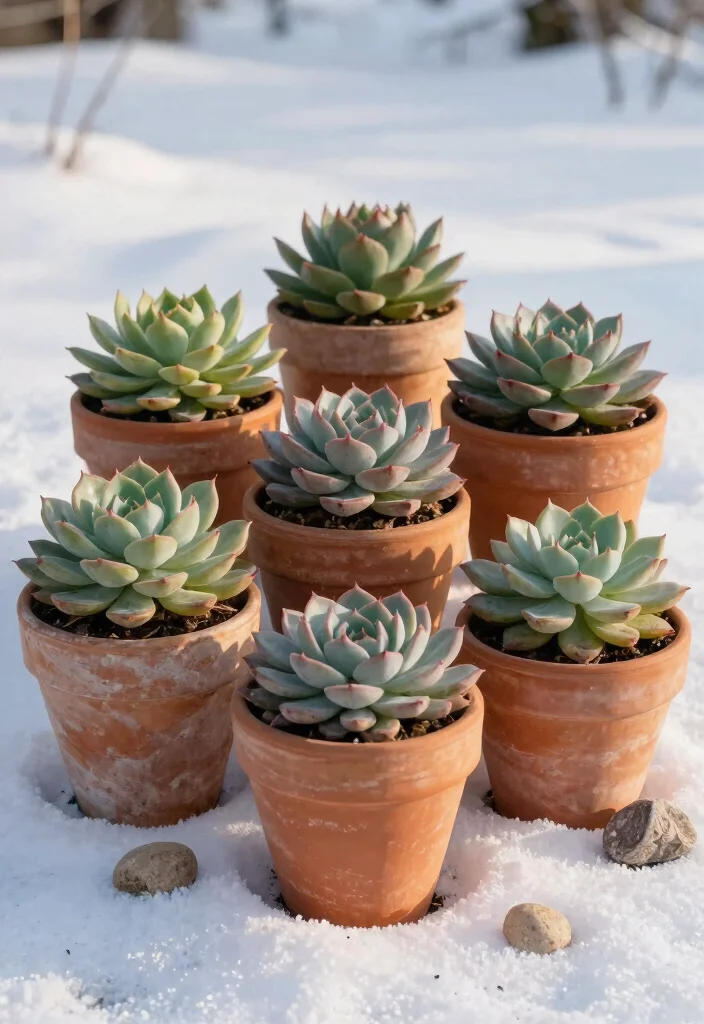
Believe it or not, some succulents thrive in cold conditions! These hardy plants introduce a unique twist to your winter planters. Varieties like Echeveria and Sempervivum can withstand chill while showcasing stunning textures and colors.
Plant them in terracotta pots for a rustic feel, or opt for metallic containers for a modern touch. Mixing different shapes and colors of succulents adds depth and intrigue to your display. Just make sure they are in well-draining soil and protected from extreme frost.
Helpful hints for your succulent arrangements:
– Group plants with similar light and water needs.
– Shield from heavy snow to avoid breakage.
– Incorporate decorative stones or sand for a contemporary finish!
Fun fact: Some hardy succulents can survive frost down to -20°C (-4°F). Sempervivum and select Echeveria withstand chilly winters and keep textures and color in your winter planter ideas. Use well-draining soil and terracotta pots for best results.

PACKAGE & SIZE:Includes 6 artificial red berry stems, the length of this holly berry branch is about 25.5inch.Y ou can twist them and adjust to the suitable height. Due to the stem is too long, we need to bend the stems for packaging. After you receive it, you can strighten them into original shape easily.

For best results, plant in USDA Zone:3-8 - Mature size: 3-4ft H x 4-5ft W

16 individual red berries stem for Christmas tree decorations, holiday, home, party, wedding Ornaments
4. Ornamental Kale Beauty
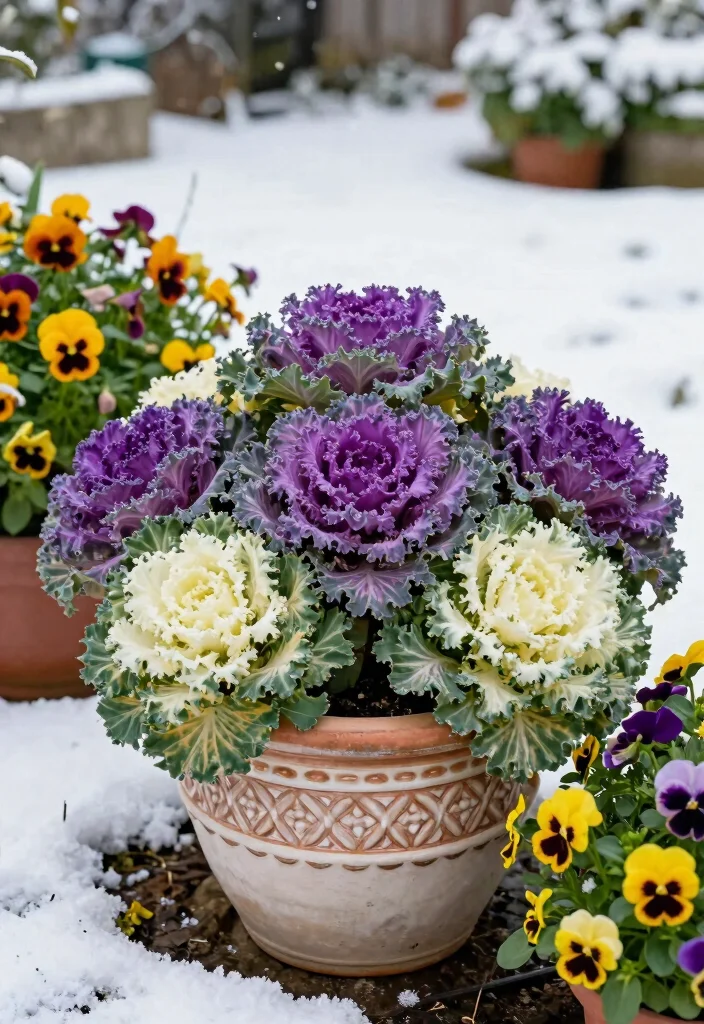
Ornamental kale can bring a distinctive beauty to your winter planters. With their vibrant colors and frilled edges, they can brighten up any arrangement. Combine these striking vegetables with pansies or evergreens for a diverse and appealing look.
They flourish in colder weather and can endure snowy conditions, making them ideal winter companions. Choose pots that offer enough space for growth and add mulch to retain moisture in the soil.
Useful gardening tips for ornamental kale:
– Harvest leaves for cooking while keeping plants healthy.
– Ensure excellent drainage to prevent soggy roots.
– Mix with contrasting textures for added visual interest!

HELPS REGULATE SOIL MOISTURE: Miracle-Gro Organic Indoor Potting Soil Mix is an organic potting soil that protects indoor plants against over and under watering

INDOOR GROWING: Growing indoors is easy under the right conditions; Miracle-Gro Houseplant Potting Mix is an indoor plant potting soil that combines key elements container plants need to thrive

ALL-NATURAL MIX: Burpee Organic Premium Potting Mix is formulated with plant food & coconut coir to promote seed & root growth and healthy flower, vegetable & herb plants. OMRI Listed for organic use.
5. Rustic Winterberries
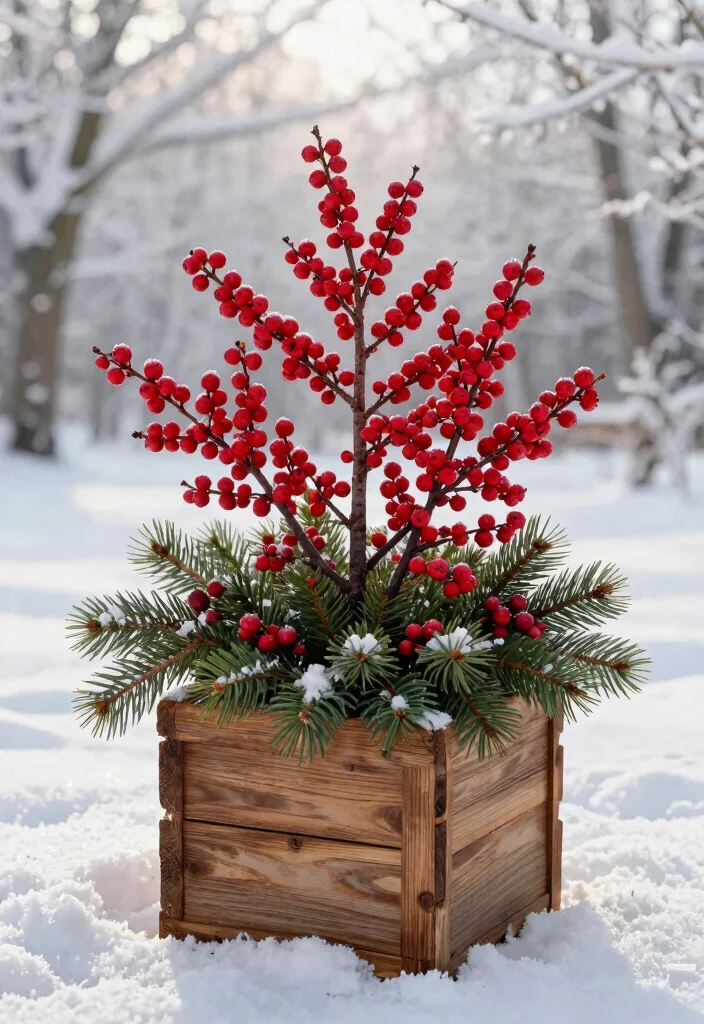
Winterberries are a stunning addition to any winter planter! Their bright red fruits pop against the fresh white snow. Often paired with evergreens, they create a lovely traditional look. Fill a large wooden box with winterberries, holly, and pine branches for a classic arrangement.
These berries not only look beautiful but also attract local wildlife during the colder months. Be sure to secure the plants well, as they can become heavy with snow.
Container gardening tips for winterberries:
– Use stakes to support taller arrangements.
– Keep the soil moist yet well-drained.
– Place in a sheltered spot to protect from harsh winds!

Beautiful - Five large individual packets of Pansy Swiss Giants Mix, Violet Johnny Jump Up, Ball’s Orange Calendula, Tetra Mix Snapdragon, and Sweet Pea Mammoth Mix. Makes a wonderful garden gift.

VIBRANT COOL SEASON BLOOMS: Pansies bring a burst of color to gardens, containers, and landscapes through the cooler months of spring and fall.

VIBRANT COOL SEASON BLOOMS: Pansies bring a burst of color to gardens, containers, and landscapes through the cooler months of spring and fall.
6. Bold Hellebores
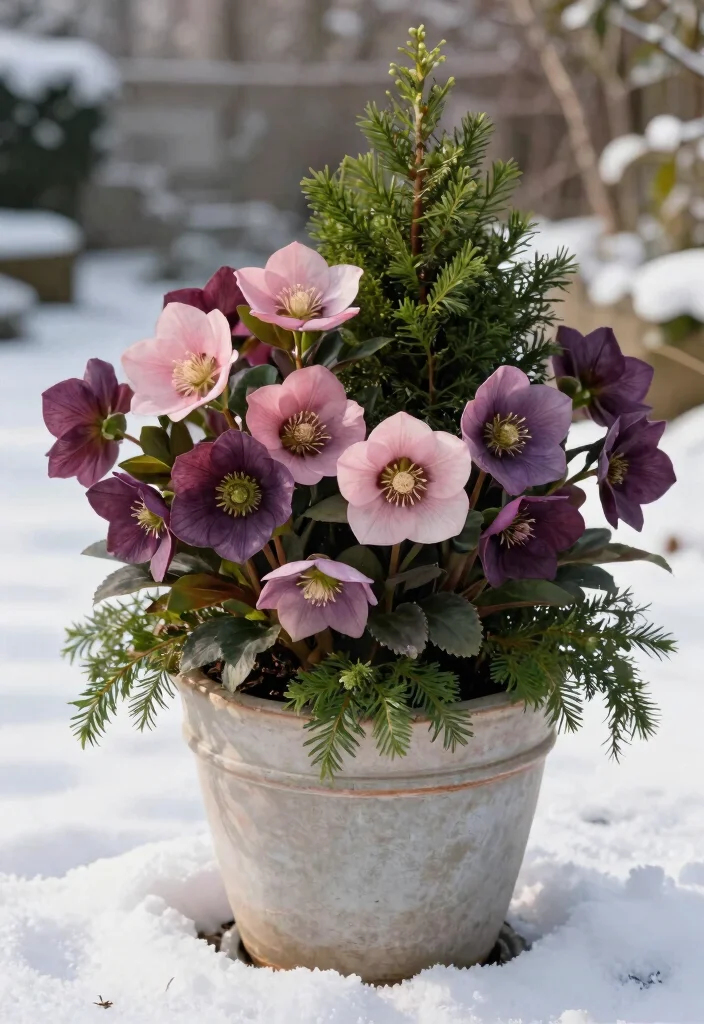
Hellebores, or Christmas roses, bloom in late winter, making them perfect for those who crave vibrant flowers during the cold. Their unique blooms come in hues like deep purple and soft pink, adding a touch of elegance to any planter.
Group them with evergreens or textured grasses for a fuller appearance. These flowers thrive in partial shade, so place them where they can catch the morning sun. Keep moisture levels in check to ensure they stay hydrated.
Seasonal planting tips for hellebores:
– Trim spent blooms for healthier plants.
– Use well-draining soil to prevent root rot.
– Top with decorative pebbles for an attractive finish!

Authentic Briarwood Lane Craftsmanship

Authentic Briarwood Lane Craftsmanship

Authentic Briarwood Lane Craftsmanship
7. Whimsical Decorative Branches
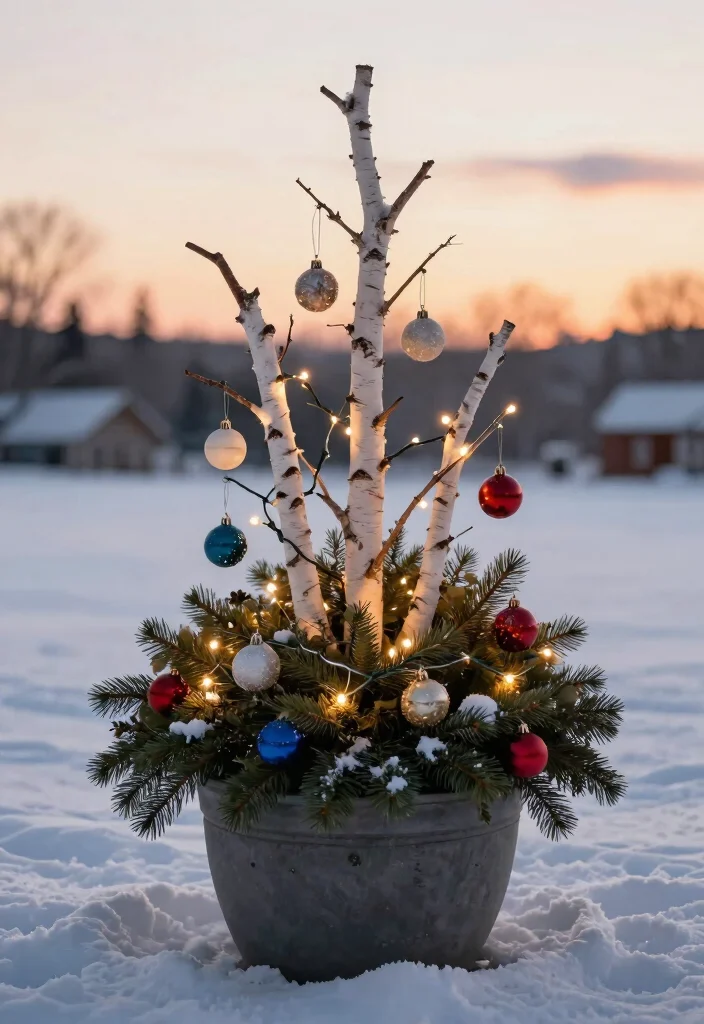
Adding decorative branches to your winter planters introduces height and a unique design element. Branches such as birch or willow create a striking visual against the stark winter landscape. Combine them with evergreen boughs and colorful ornaments for a festive flair.
These arrangements can be both stunning and elegant, perfect for the holiday season. Make sure to secure the branches well in the planter to prevent them from toppling over in strong winds.
Outdoor decor ideas with branches:
– Add lights to the branches for a magical evening display.
– Use branches of varying heights for added visual interest.
– Layer with pinecones or seasonal berries for a rustic touch!


For Best results, plant in usda zone: 3-8 - mature size: 6-12ft H x 8-10ft w

6-PACK VALUE: Receive a set of six live Austrian Pine trees, giving you everything needed to create a windbreak, privacy screen, or landscape feature.
8. Charming Winter Veggies
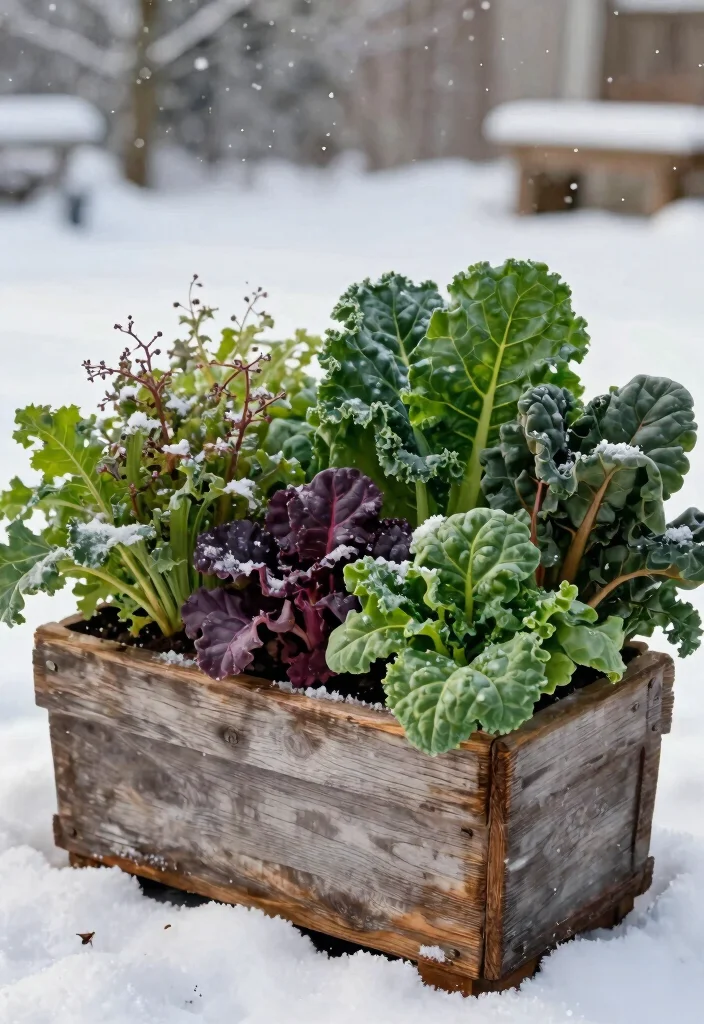
Why not blend beauty and utility with winter veggies in your planters? Plants like kale, swiss chard, and even carrots can offer both decorative appeal and culinary delights. Choose a larger container to allow for growth and mix them with ornamental plants for extra charm.
This way, you can enjoy a beautiful display while also having fresh ingredients for your meals. Keeping the soil healthy is vital, so ensure it is rich and well-draining.
Gardening insights for winter veggies:
– Rotate crops each year for healthier plants.
– Use burlap or garden fabric to protect during frosty nights.
– Harvest regularly to encourage continuous growth!

Bright Red Winter Berries: 100 Winterberry seeds for planting grow Ilex verticillata, a native deciduous holly famous for clusters of brilliant red berries on bare winter branches. Deep green summer foliage, creamy white flowers and vivid fruit provide changing seasonal color in native gardens and landscapes

Size: Each red berry stem measures 8.3 Inches; Each berry diameter is 0.5 inch; About 12 berry fruits on each artificial berry stem

PACKAGE & SIZE: Includes 30 artificial red berry stems, each stem has 12 small red berries, the length of this Christmas red berry pick is about 7.5inch, adequate enough to match many holiday ornaments and satisfy your diverse.
9. Colorful Cyclamen
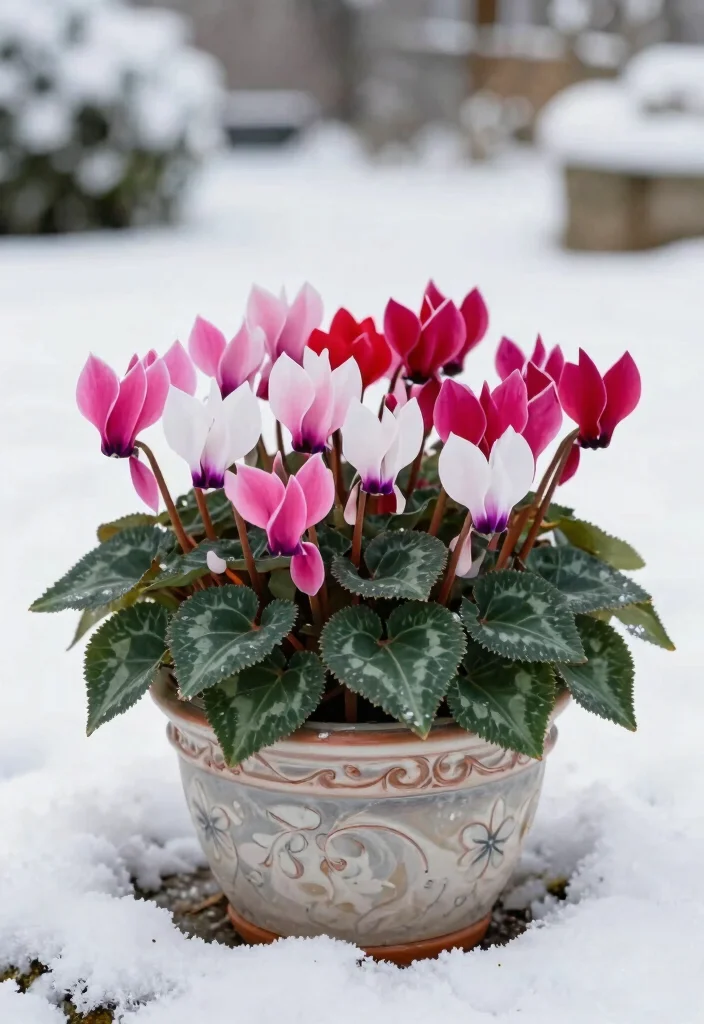
Cyclamen are lovely, hardy plants that bloom during winter, adding a splash of color to your garden. Their delicate flowers in shades of pink, red, and white are perfect for mixing into your winter planter arrangements.
Plant them in well-draining soil and provide shelter from harsh winds. Cyclamen thrive in partial shade, so a spot with morning light is ideal. Pair them with trailing greenery for a fuller, more vibrant look.
Container gardening tips for cyclamen:
– Remove spent flowers to encourage more blooms.
– Use decorative pots to enhance visual appeal.
– Water from the bottom to prevent over-saturation.
Fun fact: Cyclamen can bloom for 6–8 weeks in winter when kept in cool, bright, sheltered spots. Include them in your winter planter ideas with well-draining soil and trailing greenery for a fuller, colorful look.

🌱 PERFECT FOR ALL PLANTS Versatile all-purpose potting mix designed for indoor plants, outdoor gardening, seeds, herbs, flowers, and vegetables. Ideal for beginners and experienced growers.

FEEDS UP TO 6 MONTHS: Miracle-Gro Moisture Control Potting Soil Mix feeds plants for up to 6 months and Grows Plants Twice As Big (vs unfed plants)

10. Drought-Resistant Plants
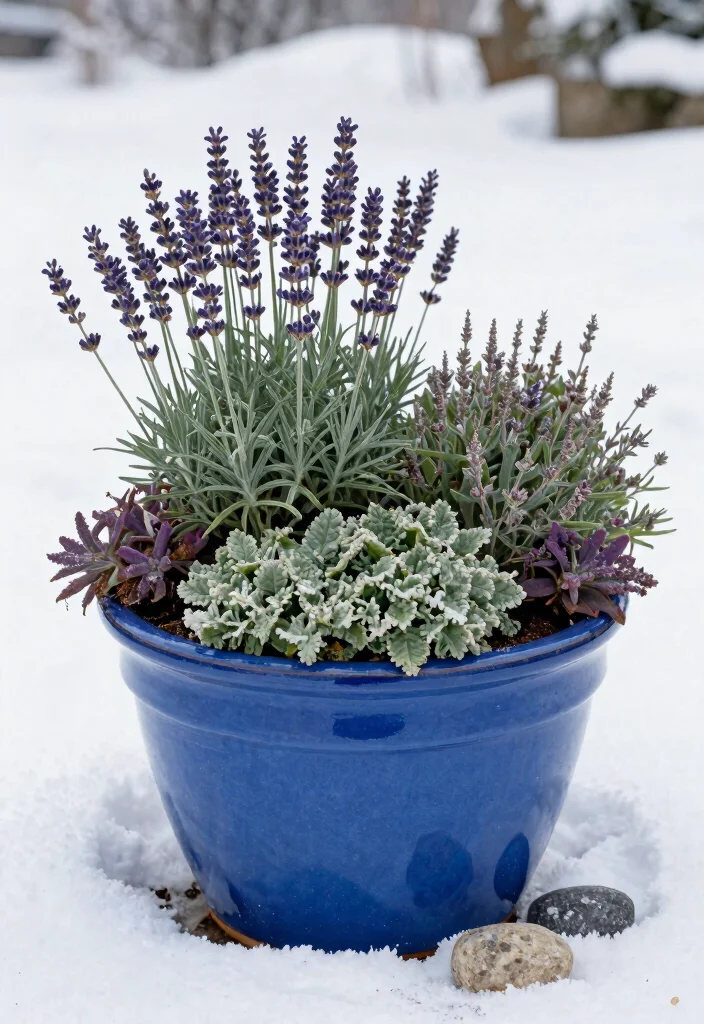
If low-maintenance options are what you seek, consider drought-resistant plants like lavender and sedum. These hardy plants not only endure cold temperatures but also require minimal watering. Combining them can create a lovely, fragrant winter garden.
Use vibrant containers that contrast with the winter landscape. Layering different heights and textures will add depth to your planters. Be mindful of drainage to ensure your pots don’t retain too much moisture.
Insights for drought-resistant plantings:
– Group these plants together for an easy-care design.
– Use gravel or sand as a top layer to enhance drainage.
– Pair with decorative stones for a polished appearance.
11. Fabulous Frosted Foliage
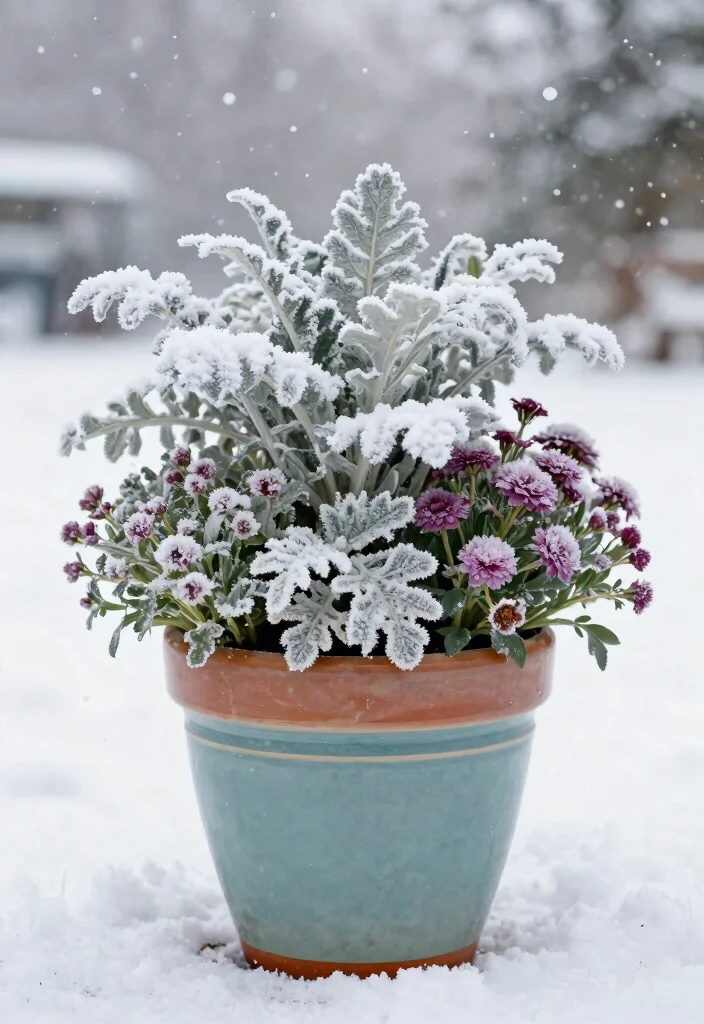
Frosted foliage brings a magical touch to your winter planters. Plants like dusty miller or frosted ferns thrive in cold conditions, and their silvery leaves shimmer against the snowy backdrop. Plant them in groups with contrasting colors for a striking display.
These low-maintenance plants adapt well to various light conditions. Just remember to keep them hydrated and protect them from harsh winds.
Gardening tips for frosted foliage:
– Pair with colorful winter blooms for a dynamic arrangement.
– Use smaller pots for layering effects.
– Sprinkle with decorative rocks for added texture!
12. Brightly Colored Bulbs
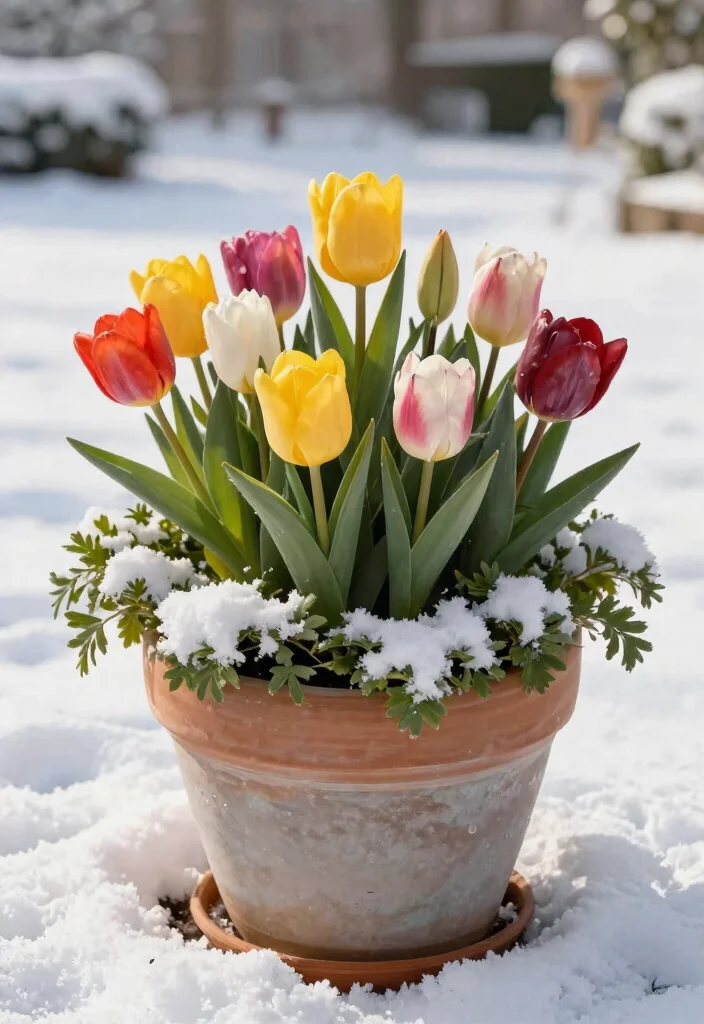
Winter is the perfect time to plant bulbs like daffodils and tulips for early spring blooms. Plant these bulbs in your winter arrangements for a delightful surprise when they bloom. Create layers in your pots—bulbs at the bottom, topped with other winter plants.
This way, when spring arrives, you’ll enjoy a stunning display as the bulbs emerge. Ensure your planter is deep enough for the bulbs to grow properly, and keep the soil well-drained to prevent rot.
Seasonal planting insights for bulbs:
– Plant bulbs in clusters for maximum impact.
– Choose vibrant, contrasting colors for visual appeal.
– Water during dry spells for healthy growth!
Did you know that layering bulbs at the bottom of a winter planter is one of the simplest winter planter ideas, delivering bloom color 6–8 weeks after the last frost? Plant bulbs like daffodils and tulips now, then top with winter greens for a surprise in early spring.
13. Lush Layering
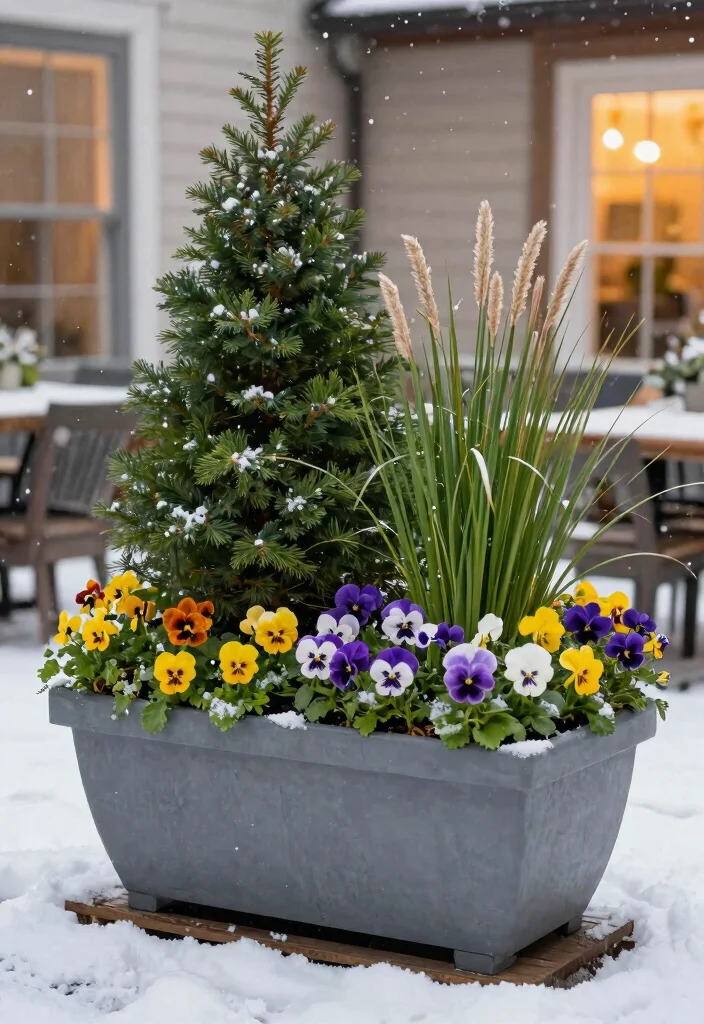
Layering is a fantastic way to create depth and interest in your winter planters. Start with evergreen foliage, then add mid-height plants like pansies, and top it off with colorful blooms or tall grasses. This technique creates a fuller appearance and a polished look.
Use varying pot heights to enhance layering and visual intrigue. Select a focal point, such as a tall ornamental grass, to draw the eye. Be sure to consider all plants’ light and water needs for optimal growth.
Outdoor decor ideas for layering:
– Mix textures and colors for a dynamic appearance.
– Use tall and trailing plants for extra height.
– Experiment with different pot shapes and materials!
14. Playful Pine Cones
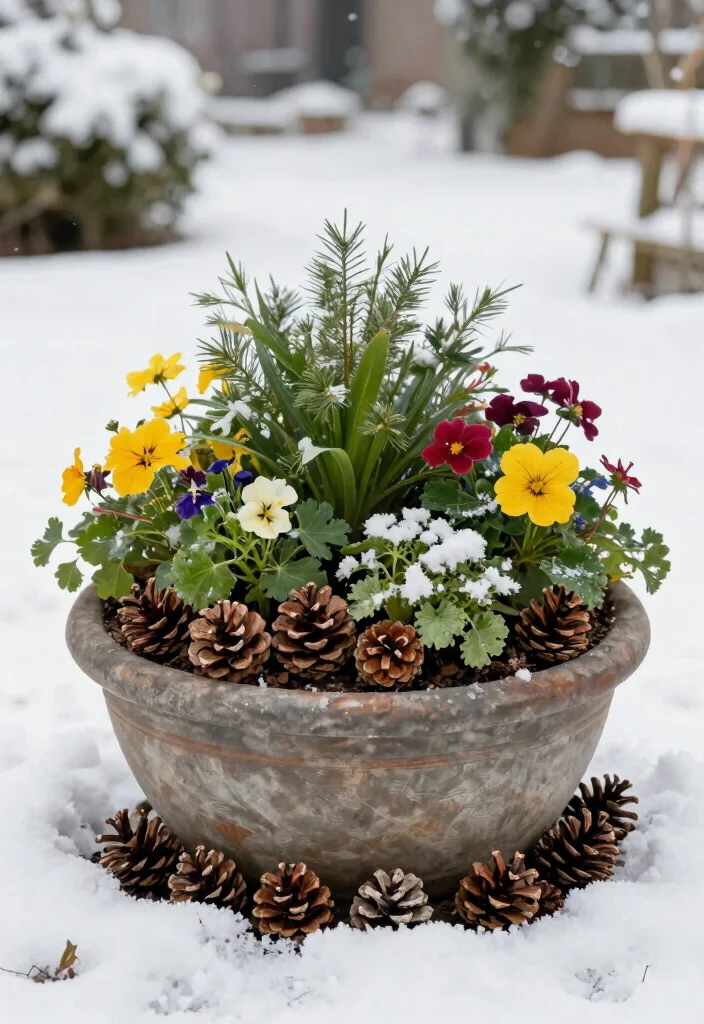
Incorporating pine cones into your winter planters adds a whimsical touch and extra texture. They attract wildlife and lend a natural look to your gardening. Combine them with winter greens and colorful blooms for a completed arrangement.
You can even spray paint the pine cones in gold or silver for a festive effect! Scatter them among the plants or use them as a topping for the soil.
Gardening insights for pine cones:
– Collect fresh pine cones from your garden or buy them locally.
– Arrange in clusters for a more impactful display.
– Pair with seasonal decorations for a holiday vibe!
15. Gorgeous Grape Hyacinths
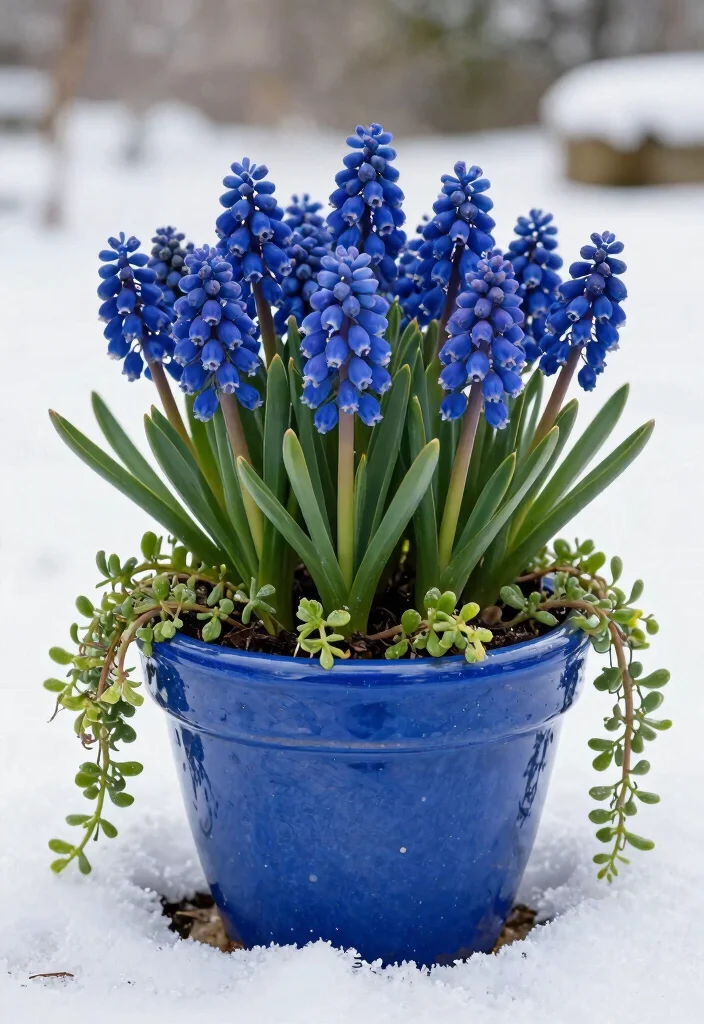
Grape hyacinths make a delightful addition to winter pots, introducing a burst of vibrant blue. Their unique structure offers interest among traditional winter plants. Plant them in clusters for maximum effect and mix them with trailing plants for a fuller display.
These hardy flowers thrive in cooler temperatures, making them ideal for winter gardening. Ensure you choose a well-draining pot and keep the soil consistently moist.
Container gardening tips for grape hyacinths:
– Combine with white or yellow flowers for a fresh aesthetic.
– Ensure good drainage to prevent rot.
– Use decorative mulch for an added visual touch!
Conclusion
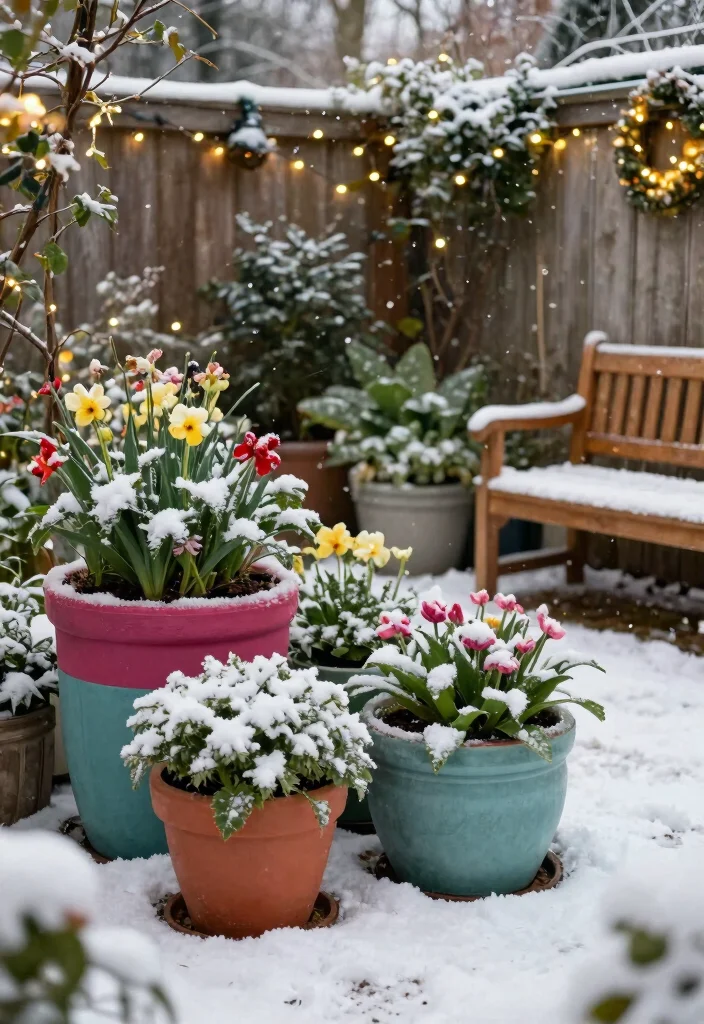
These winter planter ideas not only add color and life to your outdoor spaces during the cold months but also embrace the beauty of seasonal gardening. With the right combinations and care, your winter gardens can flourish while keeping your home looking welcoming.
Try out these ideas and make your outdoor spaces pop with winter beauty! What are your favorite winter plants, and which ones will you bring into your own garden this season?
Frequently Asked Questions
What are essential winter planter ideas to keep containers thriving in freezing temps?
Winter planter ideas are all about durability, color, and structure. Start with hardy winter plants and weatherproof containers, then build layers for volume using container gardening tips that work in cold weather gardening. Use evergreen fillers, add height with branches or conifers, and top with mulch for insulation. Water sparingly and ensure good drainage; shelter planters from strong winds and place them in a sunny, protected spot for best results.
With these winter planter ideas, your containers stay full, festive, and resilient through freezing temps.
Which winter plants tolerate freezing temperatures best for container gardening?
For container gardening in winter, look for winter plants that tolerate cold, such as ornamental kale and cabbage, hellebore, heuchera, viola/pansy, creeping thyme, and evergreen grasses. Pair them with a windbreak and well-draining soil. Use slow-release fertilizer before the hard freeze, and water less in freezing temps. Layer with evergreen foliage to keep the pots looking full.
These options keep color and texture when temperatures drop, making them a reliable choice for seasonal planter designs.
What container gardening tips help winter planters look full and colorful all season?
Focus on structure, color, and minimal maintenance. Use a mix of evergreen fillers, winter-blooming flowers, and textural elements like ornamental grasses and seed heads. Employ a layered approach: a tall focal plant with winter interest, then fill with evergreen perennials or winter annuals, and add trailing textures like ivy or thyme. Keep color cohesive with greens, silvers, and burgundies. Use well-draining soil and a protective mulch top.
For ongoing color, refresh annuals early in winter and let evergreens carry the look. These are practical container gardening tips that align with seasonal planter designs.
How can I protect winter planters from freezing wind and cold without losing color?
Position planters in a sunny, sheltered microclimate, wrap pots with insulating material, and use a thick layer of mulch on top. Move lightweight containers onto insulated pads or store during extreme cold. Use outdoor decor ideas like evergreen branches and red berries as color accents that stay vibrant in cold. Water less to avoid ice, but don’t let soil dry out completely. With these strategies, your winter planter ideas stay looking lively even in windy, freezing weather.
Are there low-maintenance winter planter ideas that still look full throughout the season?
Absolutely. Choose hardy evergreens, winter annuals, and durable textures, then use larger containers and simple color palettes to create fullness with less effort. Think evergreen grasses, boxwood, ornamental kale, and pansies. Use self-watering planters or a light irrigation routine for winter and a simple feeding schedule before the worst frost. Group planters together for a cohesive look and lean on seasonal planter designs for a polished finish.
Related Topics
winter planter ideas
cold weather gardening
container gardening tips
seasonal planter designs
winter plants
outdoor decor ideas
easy gardening
beginner friendly
frost-resistant plants
decorative planters
DIY winter decor
seasonal blooms