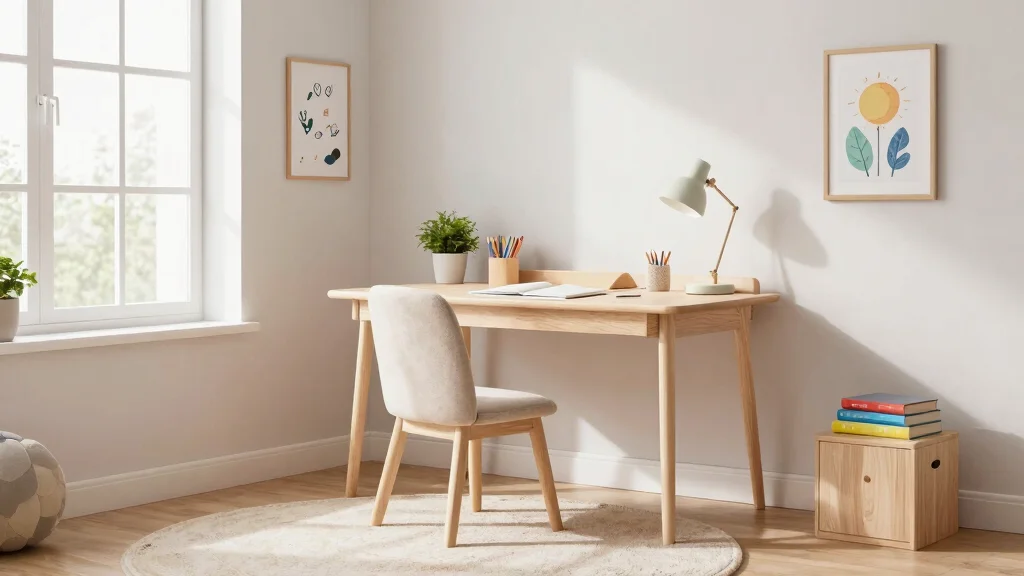
Creating a bright and inviting space for your child to study at home can make a world of difference. With the right kids desk area in bedroom setup, you can foster an environment that encourages focus, creativity, and a sense of independence. As parents, we want our children to thrive academically and emotionally, and having a designated study zone can play a vital role in achieving that. This post comes from the desire to help you transform your child’s bedroom into a smart study zone, combining functionality with decor that sparks joy.
If you’re a parent or guardian looking to create a productive and organized kids study area, you’re in the right place. You likely care about maximizing space while ensuring your child has a comforting and inspiring environment. Whether your child is tackling homework, indulging in arts and crafts, or simply reading, this guide is for you. You’ll find 16 creative and practical ideas that will help you design a stylish and effective workspace tailored to your child’s unique needs.
In this post, you’ll discover innovative desk ideas, clever storage solutions, and impactful decor tips that can turn any bedroom into a cozy study zone. From minimalist designs to vibrant accents, these ideas are both achievable and fun. So, let’s dive in and transform that bedroom into a smart study paradise!
Key Takeaways
– Versatile Designs: Explore various styles, like floating desks and Scandinavian designs, to suit any bedroom layout while maximizing space.
– Creative Accessories: Incorporate colorful desk accessories that not only add flair but also help organize school supplies and create a fun atmosphere.
– Maximizing Space: Utilize underbed storage solutions and multi-functional furniture to keep the area tidy while making room for study essentials.
– Personal Touches: Create themed study zones or integrate inspiring quotes and art to motivate your child and make learning enjoyable.
– DIY Opportunities: Get hands-on with DIY customization ideas that allow you and your child to personalize their workspace, making it truly theirs.
1. Floating Desk Magic
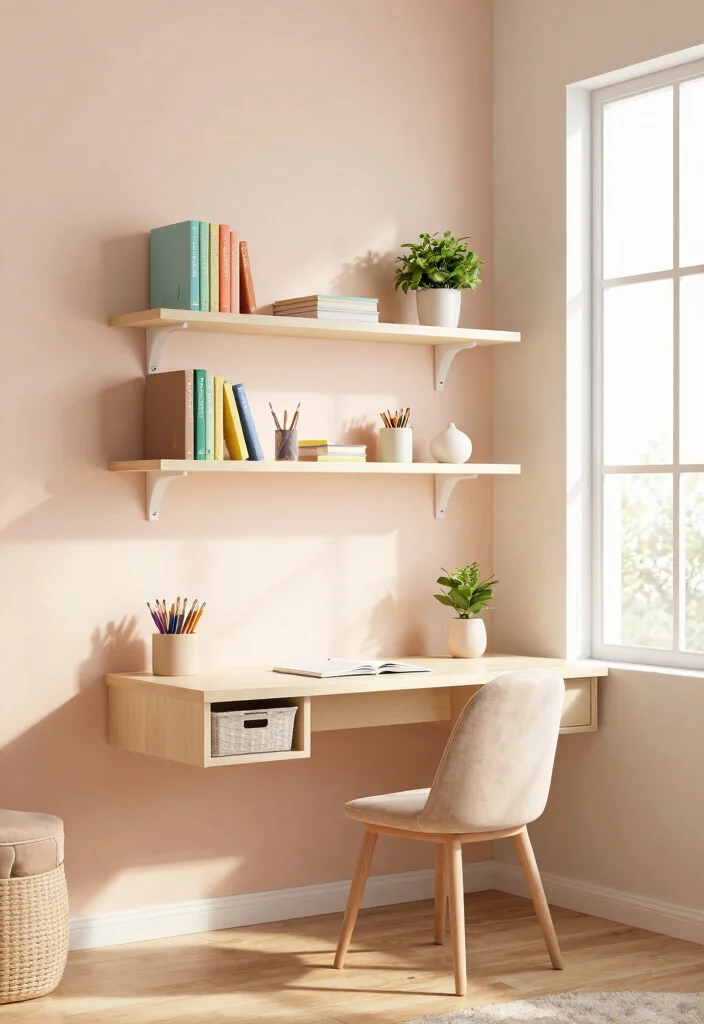
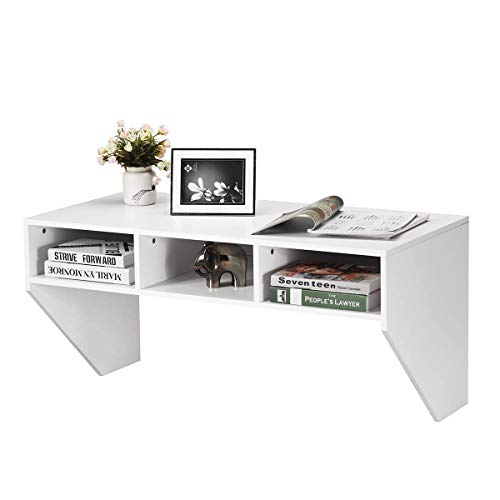
A floating desk can effortlessly turn a small corner into a functional study area, enhancing both space and style. This design creates an illusion of openness while allowing for creative wall decor above, making it a practical choice for any bedroom. Opt for a sleek, shelf-style desk that either matches the wall color for a seamless look or contrasts for a bold statement.
To maximize organization, consider adding hooks or wall organizers above the desk for easy access to supplies. This not only helps maintain a clutter-free environment but also fosters good organizational habits early on.
Tips for a Floating Desk:
– Position it near a window for optimal natural light.
– Use stylish drawers or baskets for additional storage beneath.
– Personalize the wall area with inspiring art or a vision board.
This setup is not only chic but also elevates the room’s overall aesthetic, perfect for a minimalist approach in a child’s space.
Floating desks turn a tiny corner into a focused study zone in a kids desk area in bedroom. Keep it simple: mount a shelf-style desk that matches or pops against the wall, then add hooks above for supplies. Your space stays open, organized, and ready for homework.



2. Sleek Scandinavian Design
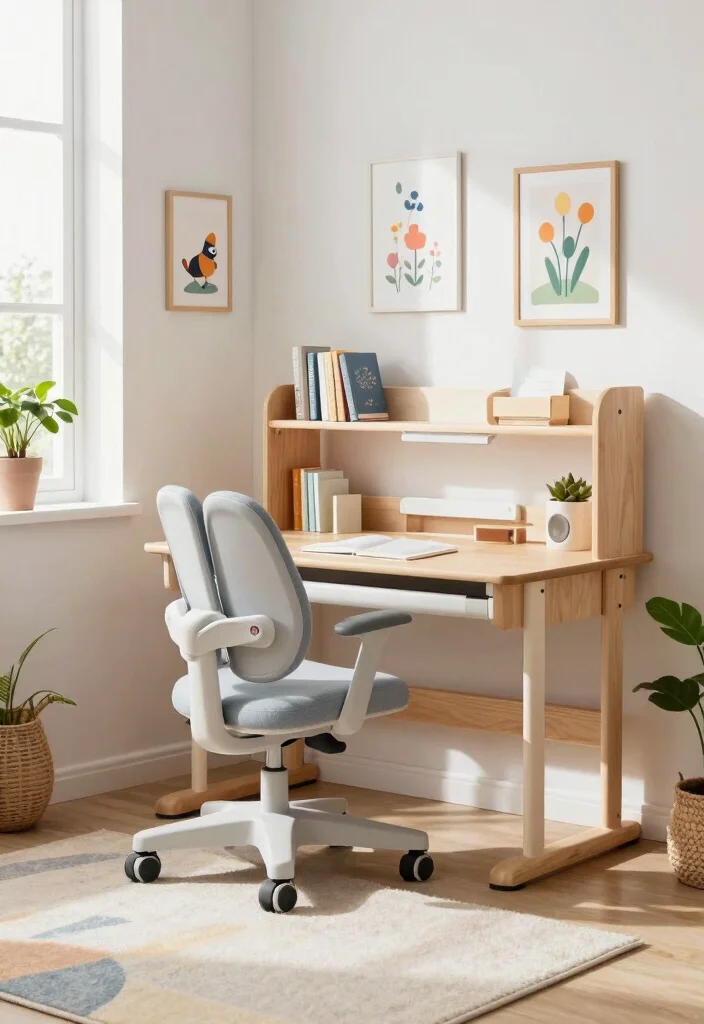
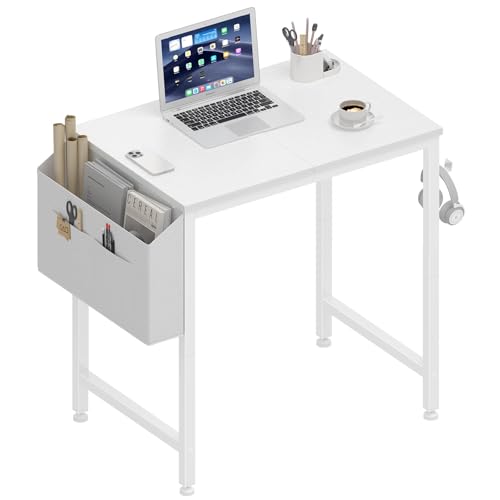
Embrace the charm of Scandinavian design with a light wood desk that boasts minimalist features. This style combines functionality with warmth, creating an inviting atmosphere for kids as they study. Pair a simple desk with an ergonomic chair to establish an ideal workspace that promotes comfort and productivity.
Enhance this aesthetic by adding decorative touches like wall art, a cozy rug, or indoor plants, which introduce tranquility and inspiration. Ensure storage solutions, such as drawers or baskets, are easily accessible to maintain an orderly space.
Scandinavian Style Tips:
– Stick to a neutral palette accented with soft pastels.
– Incorporate natural materials like wood and linen for added warmth.
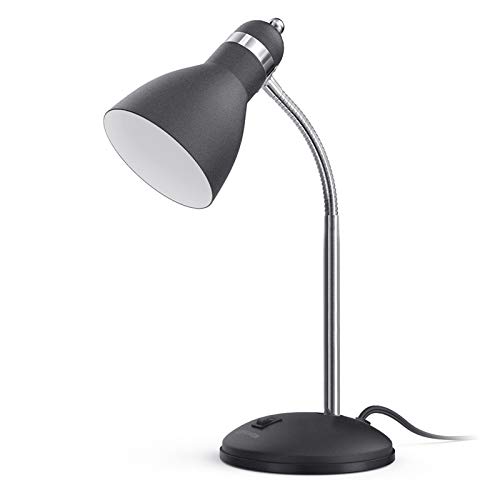
– Use layered lighting, such as a desk lamp paired with sconces, to create a cozy ambiance.
This design approach not only encourages focus but also nurtures a calm environment, ideal for productive study sessions.




How To Choose The Right Kids Desk Area in Bedroom
When creating a dedicated kids desk area in the bedroom, it’s essential to consider several factors to ensure a productive and inspiring workspace. A well-thought-out study zone can help children focus, stay organized, and enjoy their learning experience. Here’s how to select the perfect setup for your child:
1. Size Matters
Start by measuring the available space in the bedroom. Make sure there is enough room for both the desk and any additional furniture, such as shelves or a chair. A kid’s desk typically ranges from 30 to 50 inches in width, so choose a size that feels comfortable and accessible for your child. Remember to allow for clear pathways to prevent a crowded feel.
2. Desk Height and Ergonomics
Choosing the right desk height is crucial for your child’s comfort. Ideally, the desk should allow your child to sit with their feet flat on the floor and their elbows at a 90-degree angle while they work. Look for adjustable desks or chairs that grow with your child, accommodating their height as they develop. This small detail can make a big difference in their posture and overall health.
3. Style and Theme
Consider the overall decor style of your child’s room. Whether you prefer a minimalist design, vibrant colors, or a themed space, the desk area should complement the existing decor. For example, a Scandinavian design often focuses on clean lines and natural materials, while a colorful desk area can inspire creativity. Choose accessories and decor that match the theme, making the study zone visually appealing.
4. Storage Solutions
Efficient storage is key to maintaining a clutter-free study area. Look for desks with built-in drawers or shelves to keep supplies organized. You can also add wall-mounted storage, such as pegboards or floating shelves, to maximize space. Consider using boxes or baskets for smaller items like pens, art supplies, or books. An organized area helps your child focus better and keeps distractions at bay.
5. Personalization
Encourage your child’s creativity by allowing them to personalize their desk space. You can add fun desk accessories, like colorful pencil holders or quirky wall art. Involve them in the decision-making process when it comes to choosing decor and workspace essentials. This personalization can boost their enthusiasm for studying and make the desk a place they love to spend time in.
6. Lighting Requirements
Good lighting is essential for any study area. Ensure the desk is positioned near a window for natural light during the day. At night or in low-light conditions, consider adding a desk lamp with adjustable brightness. A well-lit workspace reduces eye strain and helps your child focus better on their tasks.
Pro Tip: When setting up the kids desk area, involve your child in the process. Ask about their preferences and ideas. This can foster a sense of ownership and pride in their workspace, making them more likely to use it effectively for studying or creative activities.
By considering these factors, you can create a kids desk area in the bedroom that not only looks great but also supports your child’s learning and creativity. Each element plays a role in making the study zone a productive and enjoyable space. Remember to regularly assess the setup as your child grows and their needs change!


3. Colorful Desk Accessories
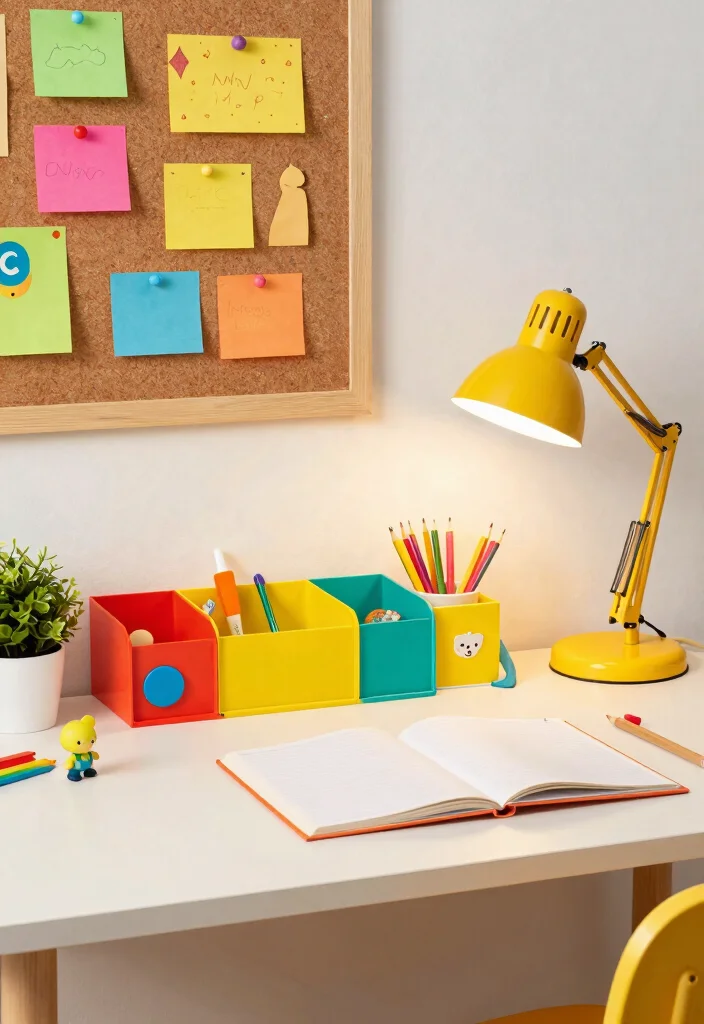
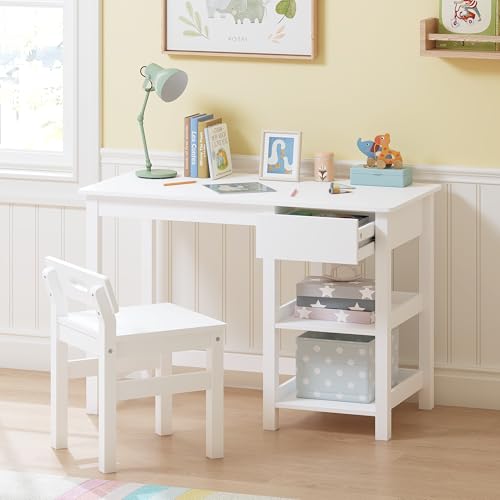
Infuse your child’s study area with energy by integrating colorful desk accessories! Start with a neutral desk and brighten it up with vibrant organizers, fun stationery, and playful decor elements. These lively accents can elevate mood and inspire creativity during study time.
Utilize organizers in various shapes and colors to maintain order, making it simple for kids to find what they need. Enhance the setup with a cheerful desk lamp, a bulletin board for notes, and whimsical decor items, creating an inviting and personalized workspace.
Key Accessories to Consider:
– Brightly colored file organizers for papers and books.
– Fun-shaped sticky notes and an array of colorful pens.
– A lively desk lamp that adds flair and improves visibility.
This dynamic arrangement cultivates a positive atmosphere that encourages learning and sparks creativity.




4. Cozy Nook Design
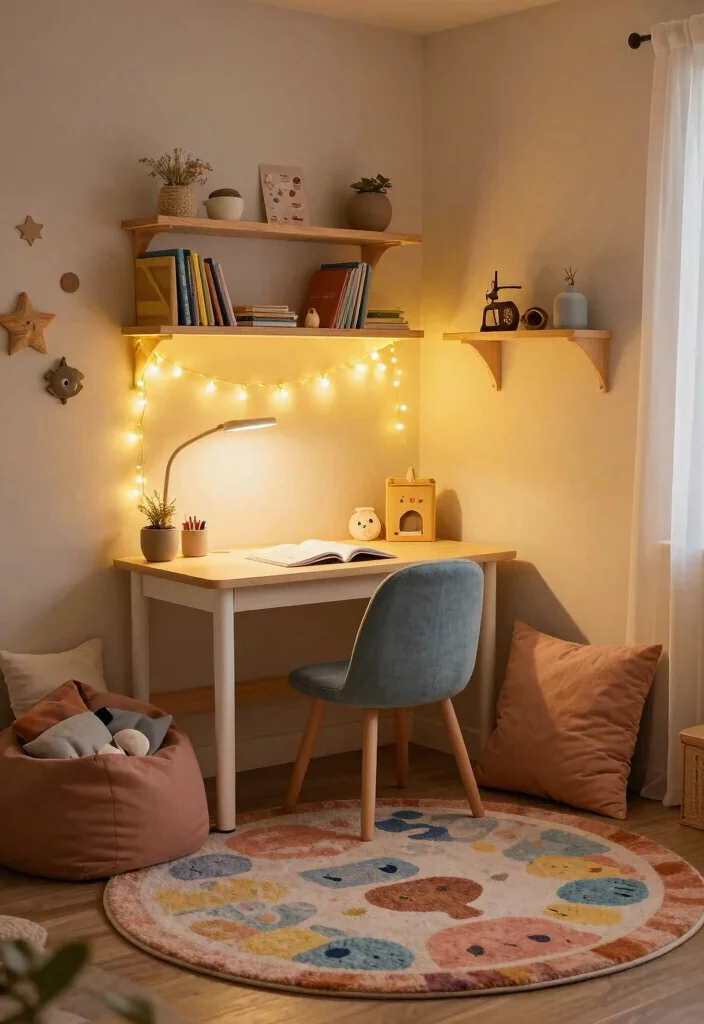
Transform an unused corner of the bedroom into a cozy study nook that invites relaxation and focus. By using a small desk paired with a snug chair, you can create an inviting retreat. Add a curtain or room divider to define the area, offering your child a sense of privacy as they study.
Introduce soft lighting, such as fairy lights or a small lamp, to create a warm ambiance. Enhance comfort with cushions or a beanbag, making this nook a delightful spot for reading as well. Personalizing the space with your child’s favorite colors or themes can make it truly special.
Cozy Nook Ideas:
– Use a colorful rug to define the area.
– Consider wall-mounted shelves for books and decorations.
– Hang art that reflects your child’s interests for a personal touch.
This setup transforms the study area into a beloved retreat, encouraging kids to engage with their studies in a creative way.



5. Underbed Storage Solutions
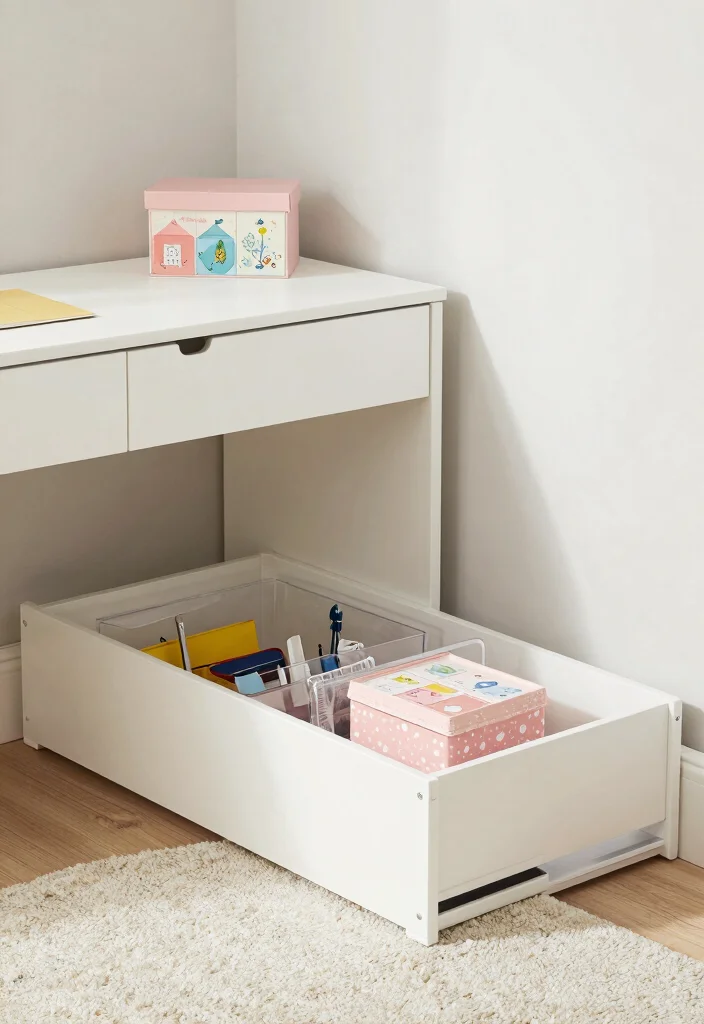
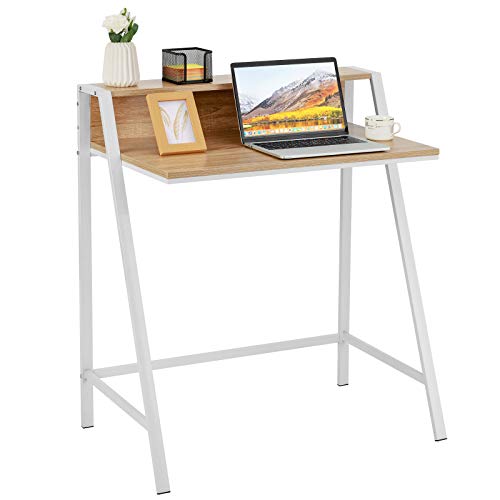
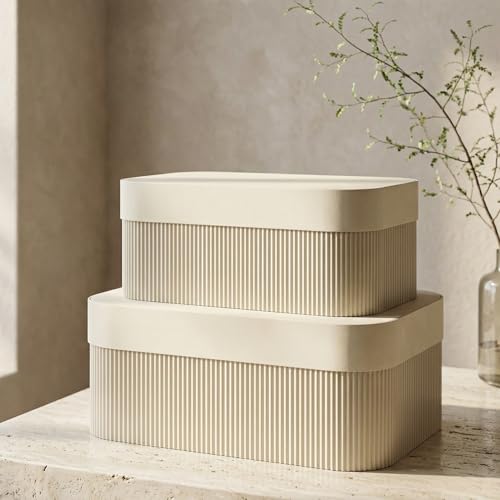
Maximize your space by embracing underbed storage solutions in the study area. Pair a desk with built-in drawers and underbed boxes to neatly organize supplies, keeping the main area free from clutter. This minimalist strategy ensures that every item has its designated place, promoting efficiency.
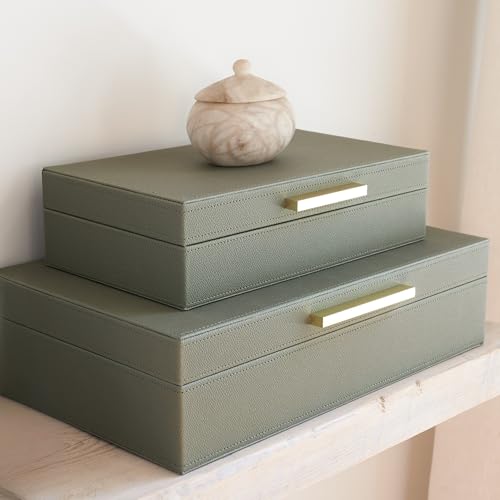
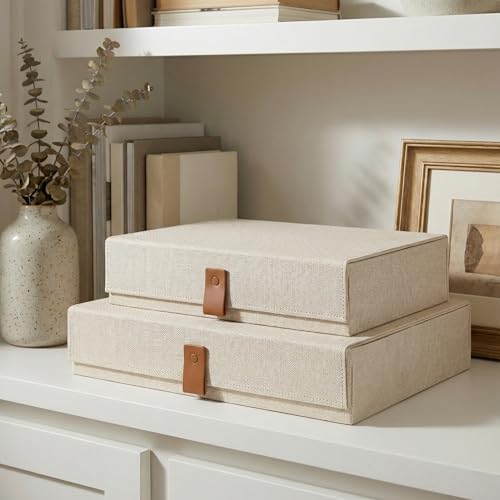
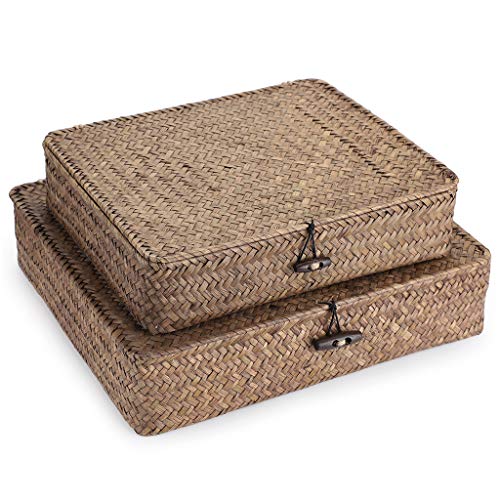
When selecting storage, aim for uniformity to create a cohesive look. Consider clear bins for easy visibility or decorative boxes that blend with the room’s decor. This way, children can access their supplies effortlessly while learning the importance of organization.
Storage Tips:
– Label storage bins for quick identification.
– Choose storage solutions that can double as seating or decor.
– Keep frequently used items easily accessible to promote good habits.
This method not only optimizes space but also instills organizational skills in kids, enhancing their study experience.
Fun fact: underbed storage can add up to extra usable inches in the kids desk area in bedroom. When paired with a desk that has built-in drawers, it keeps supplies neatly tucked away, making the study zone feel calm and ready for focus.


6. Multi-functional Furniture
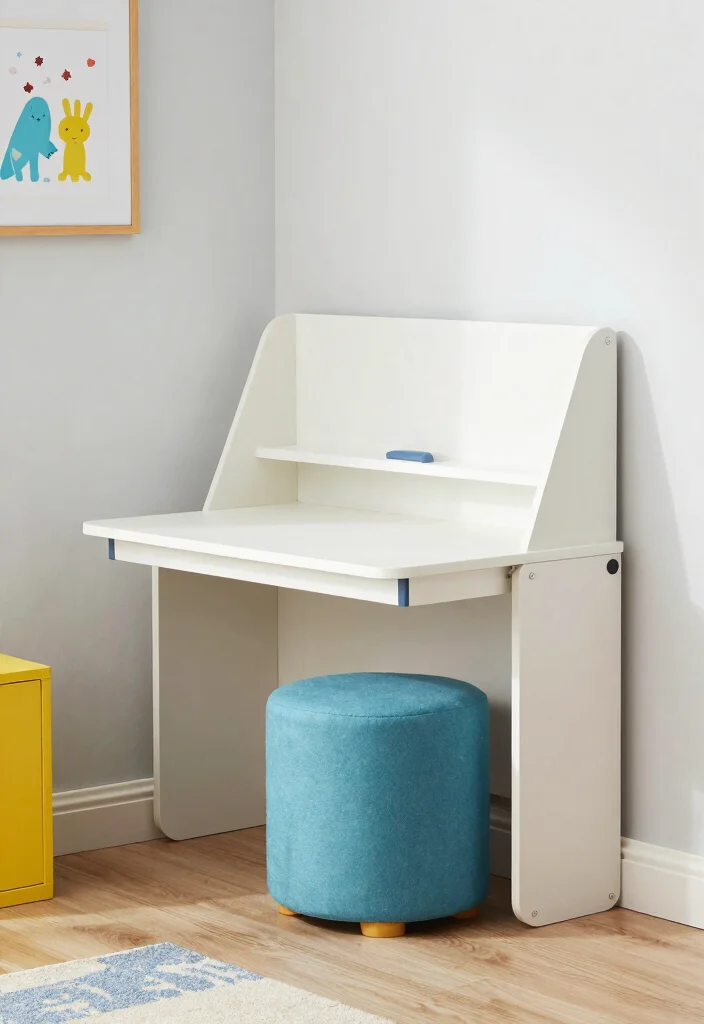
In tight spaces, multi-functional furniture is a smart choice. Look for desks that can fold away when not in use or tables that double as craft stations. This adaptability allows your child to customize their study area for homework, crafting, or gaming needs.
Incorporating ottoman storage provides both seating and additional space for art supplies or books. This flexibility fosters an environment where creativity can flourish without compromising on space.
Multi-functional Tips:
– Select pieces that harmonize with the room’s design while offering versatility.
– Ensure that each item serves multiple purposes.
– Keep the arrangement flexible to accommodate various activities.
Choosing multi-functional furniture opens up endless opportunities for kids to explore their interests and engage in diverse activities.
7. Chalkboard Walls

Transform the wall behind the desk into a chalkboard surface, providing a canvas for spontaneous ideas and creativity. This unique addition adds an artistic touch to the study area while giving your child a place to express themselves. They can doodle, jot down reminders, or brainstorm homework topics right at their fingertips.
Chalkboard walls are both fun and functional, encouraging kids to think creatively and utilize the space in playful ways. Keep colored chalk nearby for added excitement and designate an easy-to-reach area for erasers and cleaning supplies.
Chalkboard Wall Tips:
– Paint a section behind the desk for a dedicated area.
– Use colorful chalk to bring the space to life.
– Regularly clean the surface to maintain a fresh look.
This interactive concept fosters an engaging study environment, making learning feel less like a chore and more like an adventure.


8. Themed Study Zones
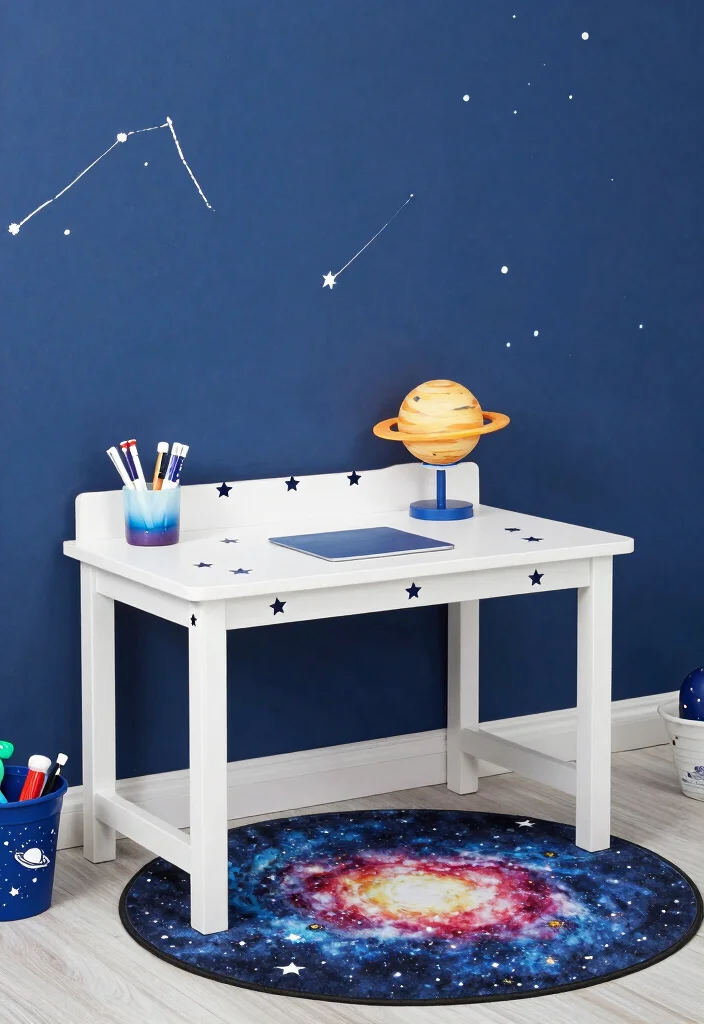
Designing a themed study zone can be an exciting way to connect with your child’s interests. Whether inspired by a favorite book, movie, or hobby, integrating elements that resonate with them turns studying into an adventure. Choose colors, decor, and accessories that align with the theme to create a cohesive look.
For instance, a space-themed zone might feature star wall decals, a planet lamp, and a galaxy rug. This personalization not only makes the study area unique but also inspires motivation and creativity, making it a fun learning environment.
Themed Zone Tips:
– Incorporate colors and designs that reflect the theme.
– Use themed storage options like character bins or bookends.
– Rotate themes periodically to keep the area fresh and exciting.
This creative approach nurtures a love for learning by surrounding kids with elements they cherish most.





9. Vintage-Inspired Workspace
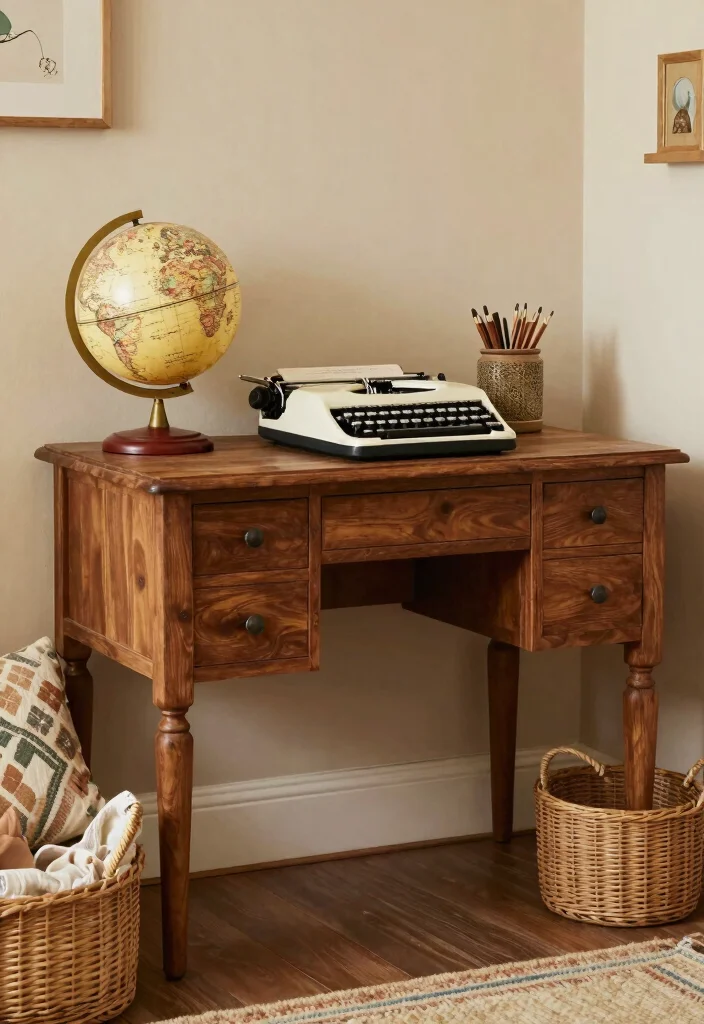
Bring warmth and character to a child’s study area with a vintage-inspired workspace. Seek out antique-style desks or retro decor elements that evoke nostalgia. Unique pieces like a vintage typewriter or an old globe can serve as charming decor that sparks conversation and imagination.
Enhance the ambiance with warm colors, classic prints, and wooden accents to deepen the vintage feel. This cozy setup creates a comforting atmosphere, transforming studying into an enjoyable journey through time.
Vintage Workspace Tips:
– Blend old and new elements for a balanced aesthetic.
– Incorporate soft textures like woven baskets or patterned fabrics.
– Choose vintage accents that reflect your child’s personality.
This delightful setup provides a memorable backdrop for learning and creativity, making study time an inspiring experience.


10. Greenery Integration
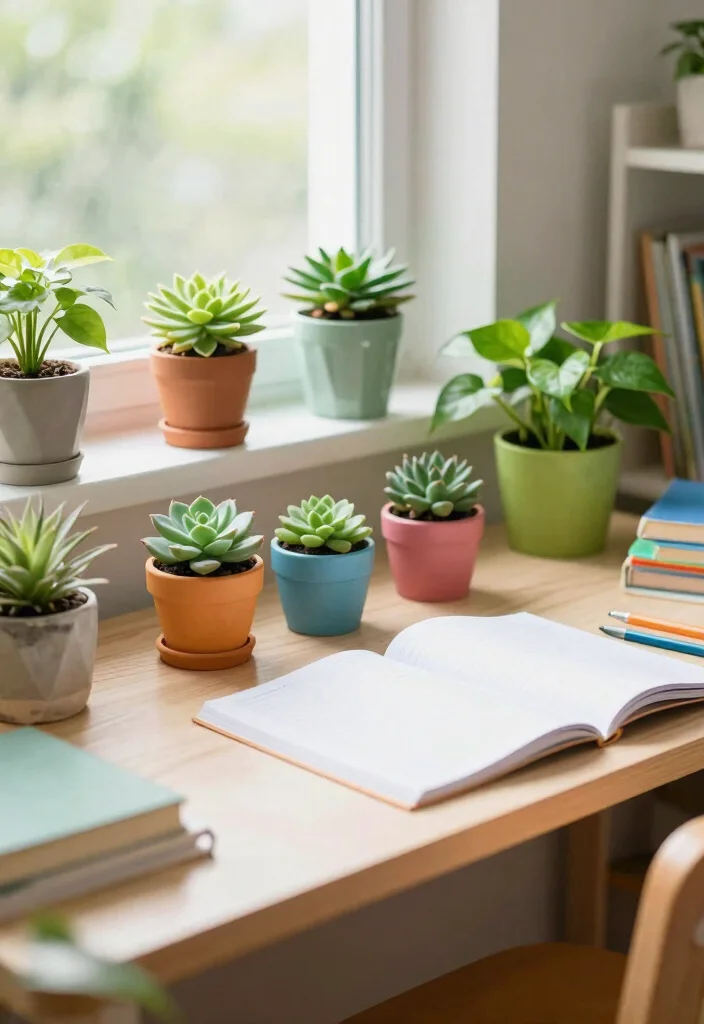
Integrating plants into your child’s study area can significantly enhance the environment. Select easy-care indoor plants, like succulents or pothos, to add life to the desk without overwhelming maintenance. Greenery not only beautifies the space but also purifies the air, promoting tranquility and focus for studying.
Arrange plants on the desk, windowsill, or even hang them for added interest. Pair them with colorful pots that complement the decor theme, enhancing the overall aesthetic. This natural touch encourages a deeper connection with nature while creating a refreshing atmosphere.
Greenery Tips:
– Choose low-maintenance plants suitable for indoors.
– Use fun pots that reflect your child’s style.
– Teach your child about plant care to foster responsibility.
This simple addition lifts the workspace’s vibe, promoting a positive study atmosphere that encourages concentration.
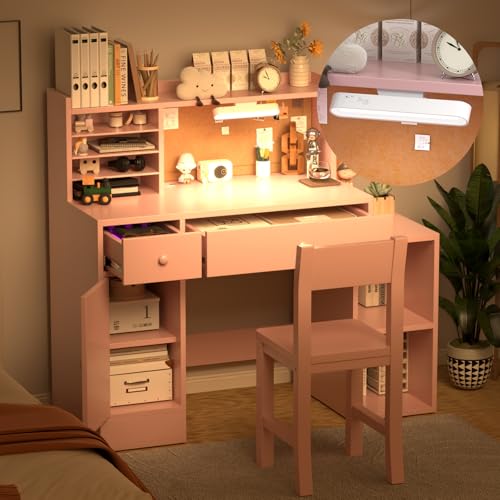


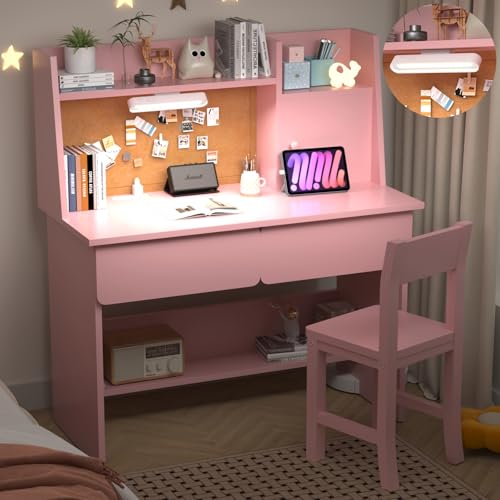


11. Clear Desk Concept
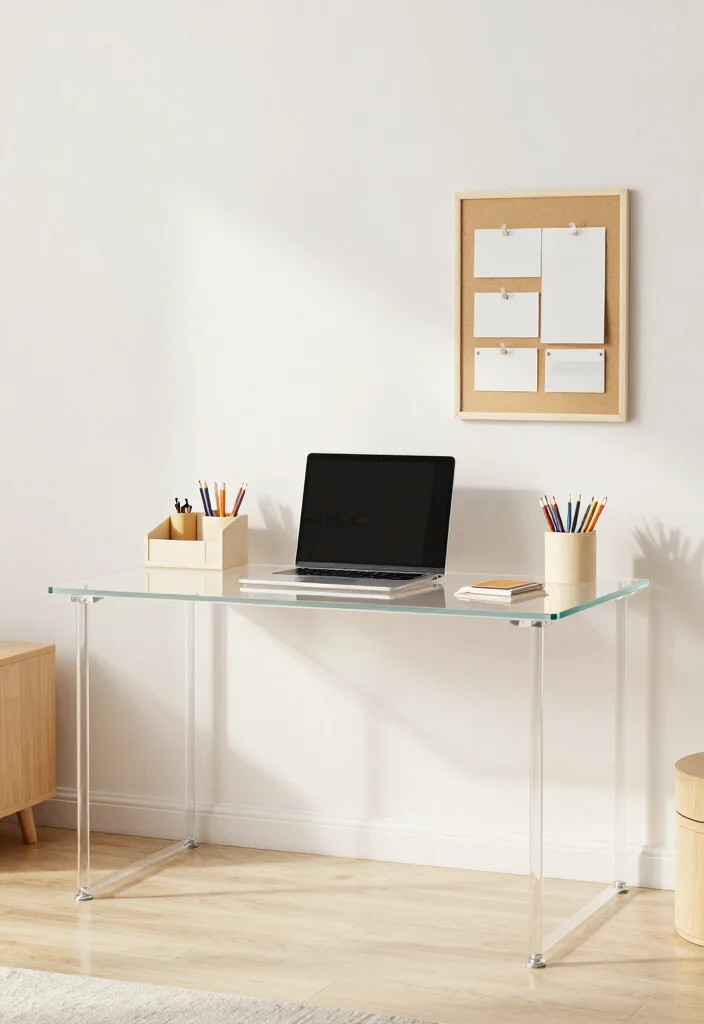
Embracing a clear desk concept creates a serene and organized study zone. This approach involves keeping only essential items on the desk, reducing distractions and fostering a focused environment. A tidy workspace can boost your child’s productivity and concentration immensely.
Utilize stylish organizers to store supplies discreetly, ensuring the desk remains clutter-free. Hang a bulletin board nearby for easy access to important notes and reminders without crowding the surface. This strategy also instills the importance of maintaining a clean space in children.
Clear Desk Tips:
– Identify essential items that need to remain on the desk.
– Use drawer organizers for smaller items to keep them hidden yet accessible.
– Regularly assess the desk setup to uphold cleanliness.
The outcome is a sleek and simple study area that encourages focus and effective learning.


12. Craft and Study Combo
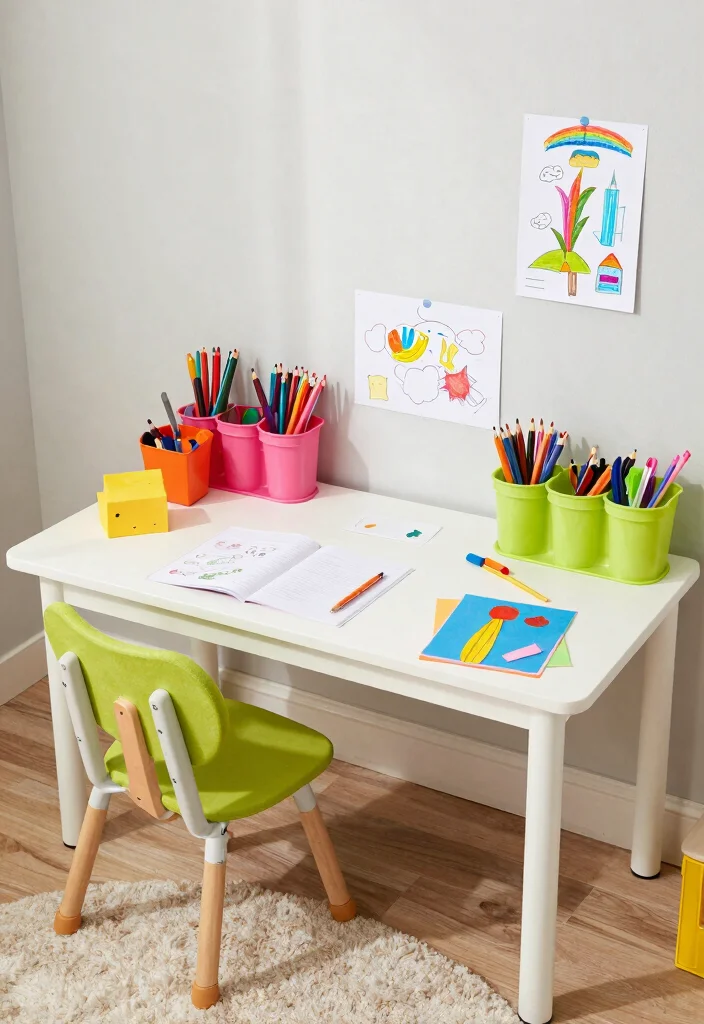
If your child has a passion for arts and crafts, consider creating a combined craft and study area. A desk designed for both homework and creative projects can be an exciting hub for various activities. Designate different sections of the desk for each task to ensure organization and efficiency.
Incorporate storage solutions that cater to both crafts and school supplies, such as drawer shelves or rolling carts. This way, your child can transition seamlessly between studying and crafting without disruption. Personalizing the space with vibrant art supplies can enhance creativity and make the area welcoming.
Combo Area Tips:
– Use clear containers for easy visibility of supplies.
– Create separate zones for study and crafts to minimize mess.
– Keep frequently used supplies readily accessible.
This multifunctional setup encourages kids to engage in diverse activities while keeping the space organized and enjoyable.

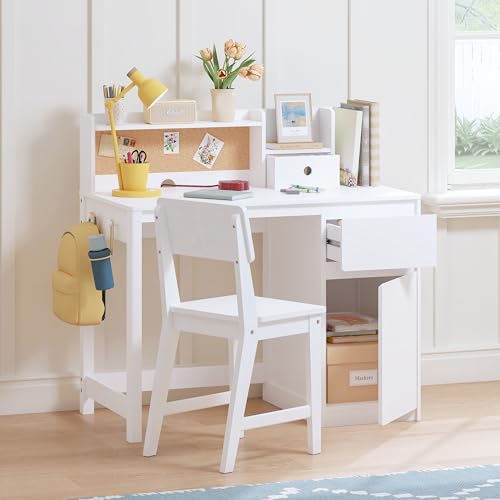


13. Rustic Farmhouse Style
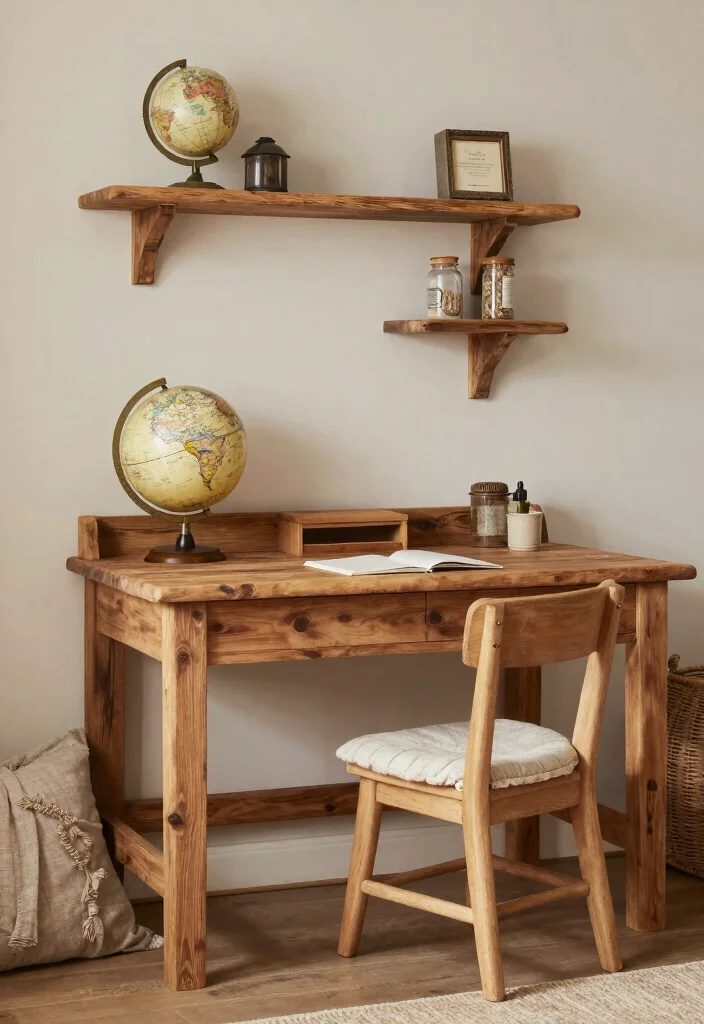
A rustic farmhouse style infuses warmth and charm into a child’s study area. Think reclaimed wood desks paired with vintage decor elements that create a cozy environment. The natural textures and earthy tones establish a soothing atmosphere, making it an ideal spot for focused studying.
Incorporate cozy elements like a soft throw, rustic bookshelves, or vintage maps to enhance the farmhouse vibe. This style cultivates a comforting aura that encourages kids to settle down and concentrate on their work.
Farmhouse Style Tips:
– Use natural materials to evoke warmth.
– Integrate vintage accents for added character.
– Maintain a tidy look with bins and baskets.
The rustic approach not only adds unique flair but also makes studying feel more inviting and enjoyable.



14. Smart Tech Integration
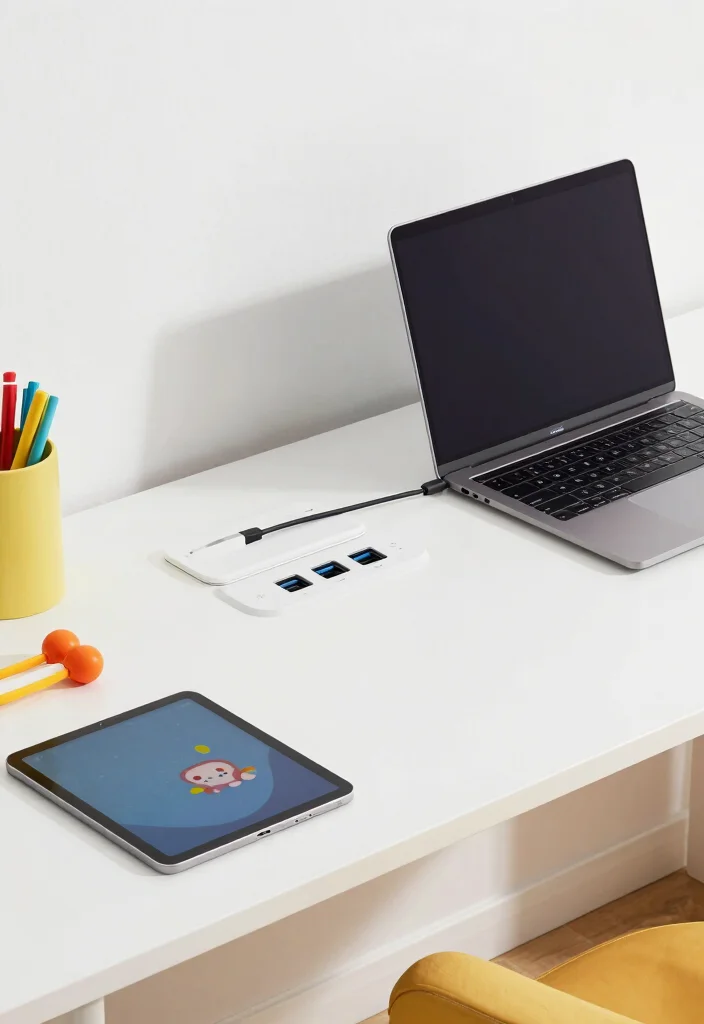
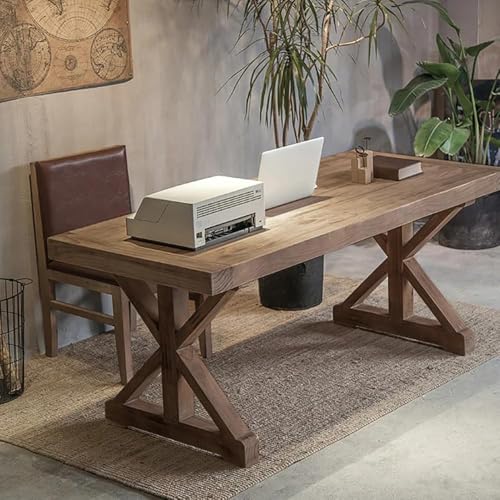
Integrating technology into a kid’s study area can greatly enhance their learning experience. Use a tech-friendly desk that features charging stations and easy access to devices. This may include built-in USB ports, cable management, and ample space for laptops or tablets.
The right tech setup supports modern studying techniques while keeping wires organized and discreet, maintaining a clean aesthetic. Encourage your child to utilize apps for homework organization or collaboration with classmates.
Tech Integration Tips:
– Ensure a reliable Wi-Fi connection for online learning activities.
– Limit distractions by establishing specific tech-free times.
– Use educational apps that coincide with their schoolwork for greater engagement.
This setup prepares your child for a tech-savvy future while making studying enjoyable and efficient.
❝ Fun Fact: A clean, tech-friendly desk can boost focus by up to 25%.
Build it with built-in USB ports, cable channels, and space for laptops, then teach your kid to use apps for homework organization.
Your kids desk area in bedroom becomes a smart study zone.
15. DIY Customization
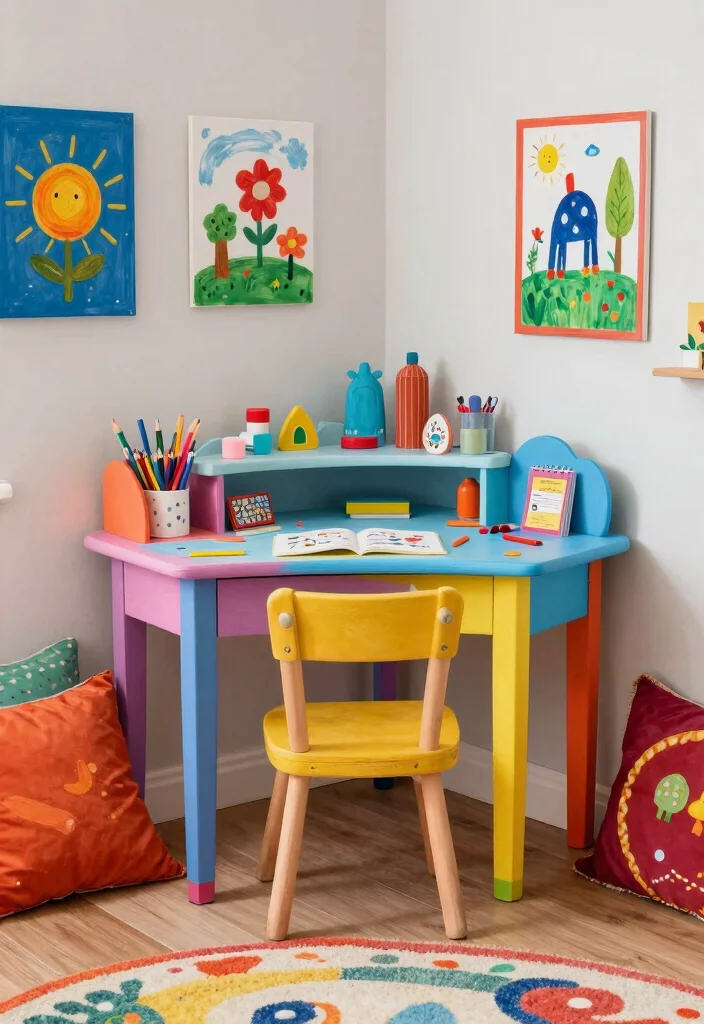
Foster creativity and personalization through DIY customization of the study area. Allow your child to take part in designing their workspace, selecting paint colors, and crafting their desk accessories. This hands-on involvement can enhance their sense of ownership and pride in the space.
Simple DIY projects can include painting old furniture, creating custom wall art, or even sewing pillow covers. Not only does this make the study area unique, but it also creates opportunities for bonding with your child during the process.
DIY Tips:
– Start with small projects to build confidence and skills.
– Use materials that are safe and suitable for their age.
– Emphasize creativity over perfection for a fun experience.
This personal touch transforms the workspace into a cherished area that reflects your child’s individuality and interests.
16. Inspirational Quotes and Art
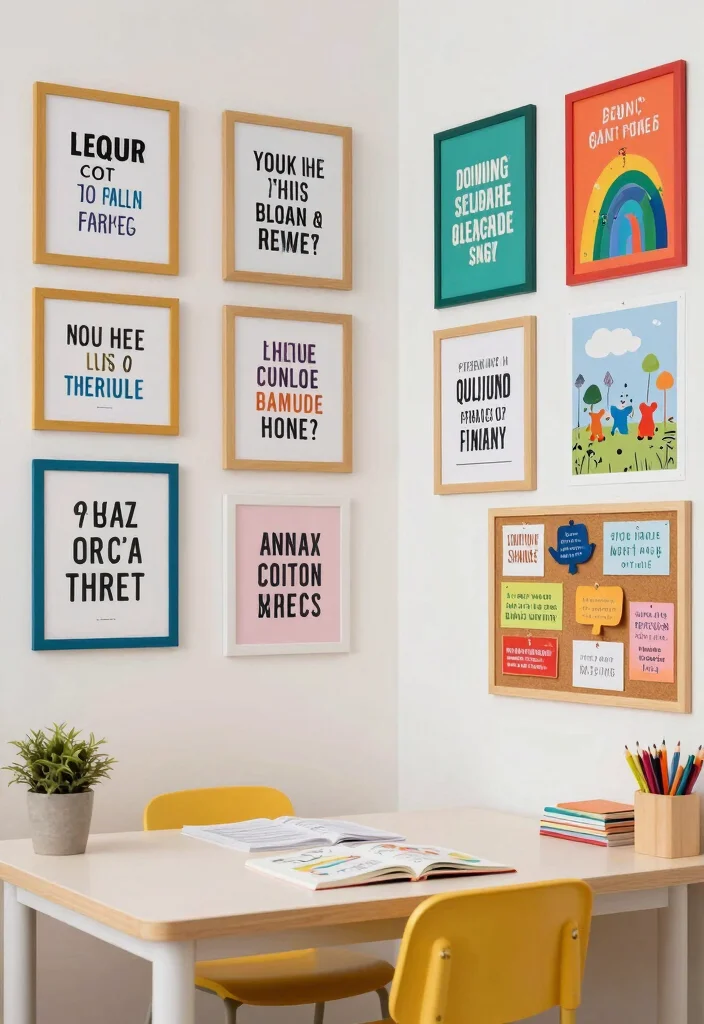
Incorporating inspirational quotes and art into the study area can motivate and uplift kids. Select prints that resonate with your child’s interests and values, framing them or hanging them directly on the walls for a personalized touch.
A mix of artwork, including posters or your child’s creations, fosters an inspiring atmosphere. Consider adding a corkboard for pinning new quotes or affirmations that motivate them each week. This engaging approach helps your child feel empowered and energized as they tackle their studies.
Inspiration Tips:
– Rotate quotes regularly to keep the space vibrant and motivating.
– Include visual elements like decorative frames in diverse styles.
– Encourage your child to choose quotes that reflect their personal growth journey.
This thoughtful addition nurtures a positive mindset, inspiring creativity and making the study zone a source of motivation.
Conclusion
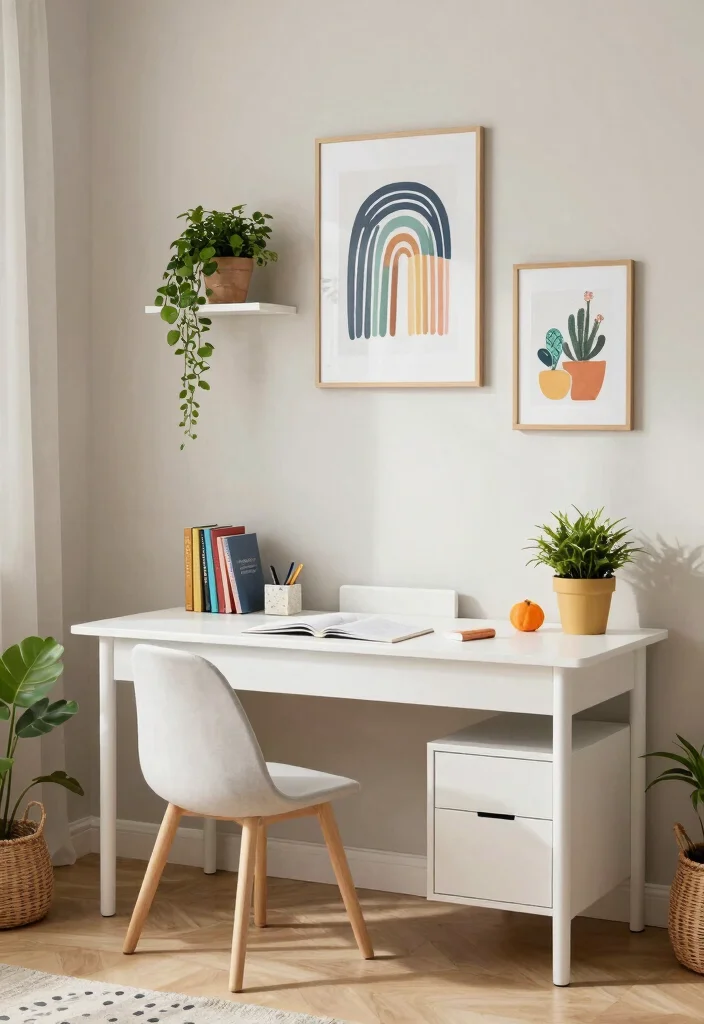
Creating a thoughtful kids desk area in the bedroom can transform the study experience into something enjoyable and organized. With these 16 ideas, you can personalize a productive space that reflects your child’s personality and interests. Remember, the key is to blend functionality with creativity, ensuring the area remains inviting and inspiring for your little learner.
So, which idea resonates the most with you? Feel free to mix and match these concepts to create the perfect study zone tailored to your child’s needs and style.
Frequently Asked Questions
How can I create a compact kids desk area in a small bedroom without clutter?
For a kids desk area in bedroom in a small space, start with a compact desk, wall-mounted storage, and a simple color scheme to minimize visual noise.
Choose pieces with integrated storage to support bedroom organization, and keep cables hidden with a cable tray. Finish with a few essential accessories and a dedicated study zone that stays neat day to day. Use vertical space, label bins, and rotate decor to maintain minimalism without sacrificing function.
What are the best materials and colors for a minimalist kids study space?
In a minimalist kids study space, choose durable materials like solid wood or laminate with a matte finish, and keep colors neutral (white, gray, soft beige) with a single accent color for study zone decor or creative desk ideas accents.
Opt for low-profile furniture to reduce clutter and make cleaning easy—this supports bedroom organization while still feeling inviting for children.
How can I organize a kids study area to keep bedroom tidy all week?
Start with a dedicated kids study area within the bedroom, add labeled bins, a wall-mounted workspace, and a weekly checklist to maintain bedroom organization throughout the week.
Use a simple filing system for worksheets, a charging station for devices, and a small pegboard or corkboard for important reminders to reduce desk clutter.
What are simple, creative desk ideas that boost focus for children?
Try built-in or wall-mounted desks, a variable-height chair or footrest, and smart storage that’s within reach. Add mood-boosting features like a quiet task light, a corkboard for creative desk ideas notes, and a children’s workspace setup that supports focus in a small study zone decor environment.
These ideas keep the kids desk area in bedroom tidy while encouraging independent study.
How can I decorate a children’s workspace to be inviting but not overstimulating?
Focus on a balanced study zone decor with a calm color palette, soft textures, and personalized touches that don’t overwhelm the senses. Use bedroom organization strategies to keep surfaces clear, and designate a clear boundary between study and play to maintain a minimalist kids desk area in bedroom feel.
Let kids choose a couple of updates (like a removable wall sticker or color accent) to keep them engaged without clutter.
Related Topics
kids desk area
bedroom organization
minimalist design
creative study zones
children's workspace
study area decor
functional furniture
space-saving solutions
home decor
stylish organization
DIY study space
modern kids decor